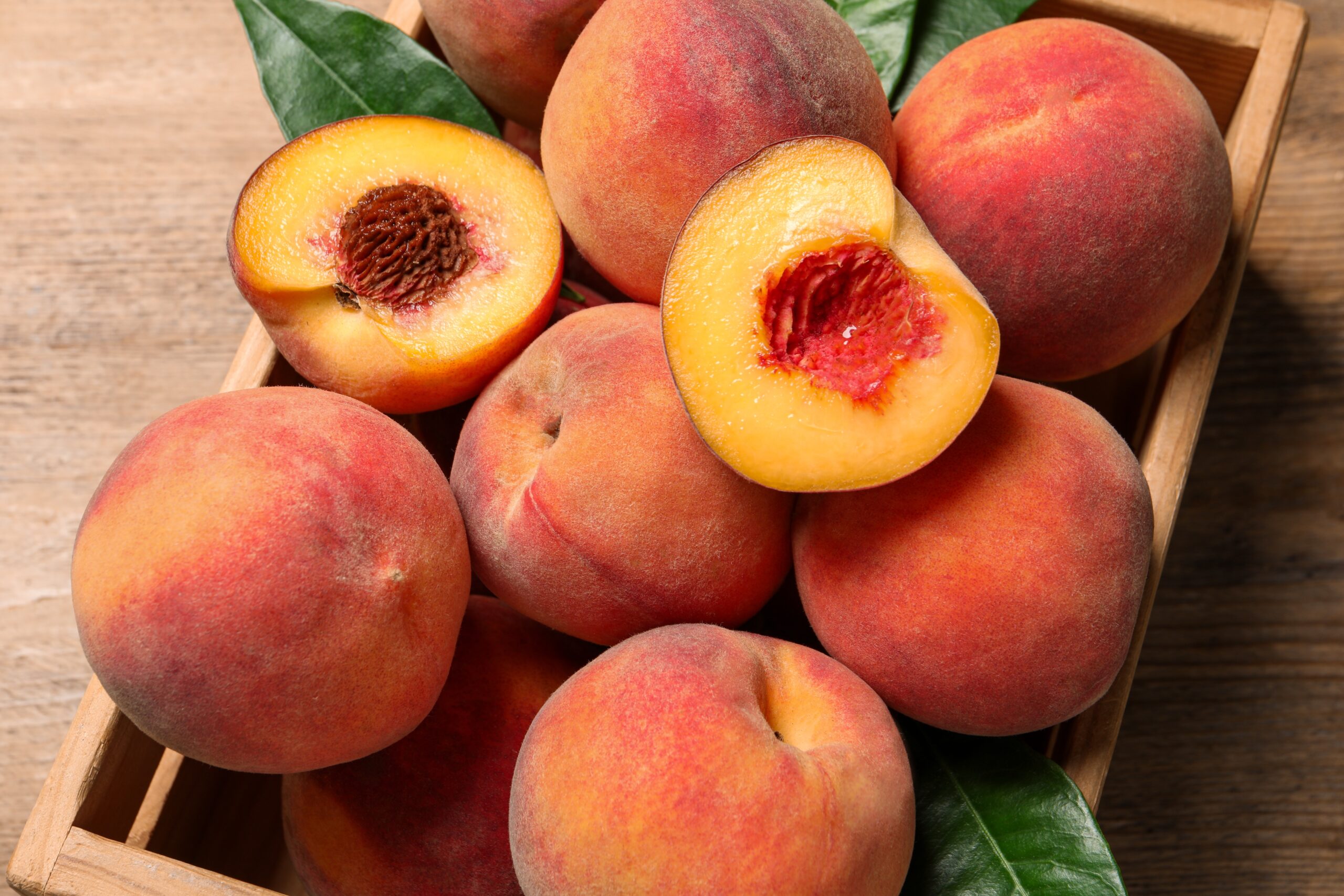
Could the humble peach be the secret weapon in your summer hydration arsenal, while simultaneously safeguarding your heart and brain?
At a Glance
- Peaches are 89% water, making them ultra-hydrating.
- Rich in antioxidants, they support heart and brain health.
- High in potassium, they help maintain electrolyte balance.
- Peach consumption may reduce risks of chronic diseases.
Peaches: The Juicy Hydration Heroes
Peaches, the succulent summer delights, are not just about sweet indulgence. With a water content soaring at 89%, they’re a top-tier choice for hydration. Move over watermelon, there’s another contender in town! This juicy fruit not only quenches your thirst but also packs a punch with its nutrient profile. The USDA and health experts have long been fans, touting peaches for their unique blend of hydration and nutrition.
Imagine biting into a peach on a sweltering day, the juice dripping down your chin as you unknowingly replenish your body’s water levels. But that’s not all—each bite brings a medley of vitamins and antioxidants that support your overall wellness. Peaches stand out among stone fruits, thanks to their perfect balance of sweetness and health benefits.
Nutrient Powerhouses in a Fuzzy Package
Peaches are not just about hydration; they’re nutritional powerhouses. Packed with fiber, vitamin C, and potassium, they play a vital role in supporting digestion, heart health, and immunity. A medium peach offers about 285 mg of potassium—more than many electrolyte supplements you might find at your local pharmacy.
Experts like Vandana Sheth champion peaches for their health benefits, highlighting their role in a balanced diet. Meanwhile, Mary Ann Lila from North Carolina State University notes that peaches boast a rare combination of flavonoids and carotenoids, enhancing their antioxidant and anti-inflammatory properties.
Peaches and Chronic Disease Prevention
Regular peach consumption might be your ticket to a healthier heart and brain. Their antioxidants and anti-inflammatory effects work wonders on tissues like the liver, kidney, and brain, according to peer-reviewed studies. By including peaches in your diet, you could lower your risk of cardiovascular diseases and support brain health.
But that’s not all—these antioxidants could even reduce cancer risks. While more in-depth studies are needed, the potential of peaches to impact chronic disease prevention is promising. So, the next time you’re at the grocery store, don’t just grab any fruit; reach for those peaches and feel good about your choice.
The Broader Impact of Peaches
The implications of increased peach consumption stretch beyond individual health. Economically, the peach industry could see significant growth, benefiting farmers and related supply chains. Socially, improved nutrition and hydration could lead to enhanced public health outcomes.
For athletes and outdoor workers, peaches offer a natural way to replace electrolytes lost through sweat. Their high water content and nutrient density make them ideal for anyone seeking to beat the heat and stay healthy. With the potential for new peach-based products, the food and beverage industry might just have its next big thing.