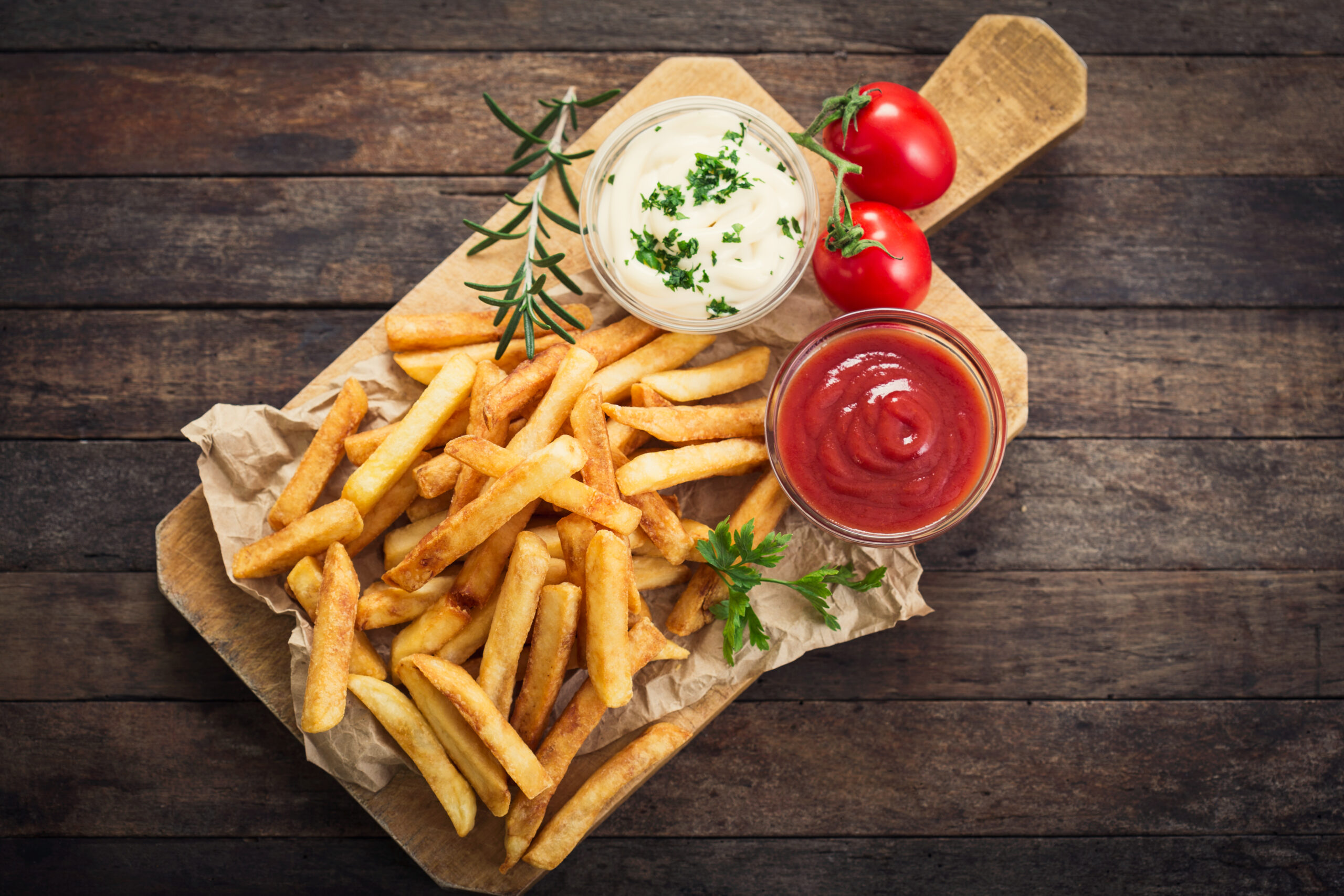
Three weekly servings of French fries are linked with about a 20% higher risk of type 2 diabetes—while boiled, baked, or mashed potatoes don’t show a similar signal.
Story Snapshot
- Preparation matters: fries show risk; non-fried potatoes largely don’t
- Large U.S. cohorts underpin the findings over decades
- Swapping fries for whole grains is associated with lower diabetes risk
- Observational data, not proof of causation, but directionally consistent
Frying, Not the Potato Itself, Drives the Signal
Harvard-led analyses pooling three long-running U.S. cohorts report that eating French fries at least three times per week is associated with roughly a 20% higher risk of type 2 diabetes, after adjusting for major lifestyle and dietary factors. Similar intake of boiled, baked, or mashed potatoes was not substantially associated with increased risk in these models. The method-specific results address a longstanding gap where prior research lumped all potato preparations together, blurring risk signals tied to frying.
Substitution modeling strengthens the practical takeaway: replacing potatoes—especially fries—with whole grains tracks with a lower risk profile. Cohort-based estimates and linked meta-analytic summaries converge on whole grains as the smarter staple swap. Within an American conservative values frame—personal responsibility, prudent choices, and common-sense tradeoffs—this aligns with favoring minimally processed, fiber-rich foods over ultra-processed fried sides often cooked in refined oils and served with heavy sodium.
What the Cohorts Add That Headlines Miss
The Nurses’ Health Study, NHS II, and Health Professionals Follow-up Study collectively followed about 205,000 adults and recorded over 22,000 new diabetes cases, repeatedly assessing diet over decades. That scale permits tighter confounder control and a sharper lens on preparation method. The French fry signal persisted despite adjustments, while non-fried potatoes looked comparatively neutral. The nuance matters for households balancing budget and health: a plain baked potato is not a French fry in metabolic terms.
What scientists discovered about french fries and diabetes | ScienceDaily https://t.co/XqM3yD0TDW
— Neil Floch MD (@NeilFlochMD) August 12, 2025
Media coverage leaned into the ultra-processed angle, which resonates with broader observational links between ultra-processed foods and metabolic disease. That framing explains why fries show up as the outlier: high-heat frying, degraded seed oils, sodium, and sometimes coatings push the product away from a simple whole food. Expert dietitians quoted in coverage emphasize moderation, not absolutism, and suggest practical swaps—whole-grain sides or home-prepared potatoes with minimal added fat.
Actionable Swaps Without the Food Police
People want clear, workable guidance, not scolding. The substitution analyses offer exactly that: keep the budget-friendly potato, change the preparation, or trade a couple fry servings for whole grains each week. That shift preserves choice and autonomy and respects family routines. Restaurants and schools can respond without mandates by featuring oven-baked alternatives, sensible portions, and more whole-grain sides—small nudges with outsized impact when scaled.
Limitations remain. These are observational cohorts with self-reported diet, and residual confounding can’t be excluded. The data apply primarily to U.S. adults, and mechanisms—advanced glycation end products from high heat, oxidized oils, sodium load—require controlled trials. But when multiple cohorts, institutional summaries, and media syntheses point in the same direction, prudence suggests dialing back routine fries and protecting the plate with fiber-rich grains or non-fried potatoes.
Sources:
BMJ Group: Three weekly servings of French fries linked to higher diabetes risk
Healthline: French fries, ultra-processed foods, and diabetes risk
ScienceDaily: What scientists discovered about french fries and diabetes
Fox News: French fries tied to diabetes risk; not all potatoes are created equal