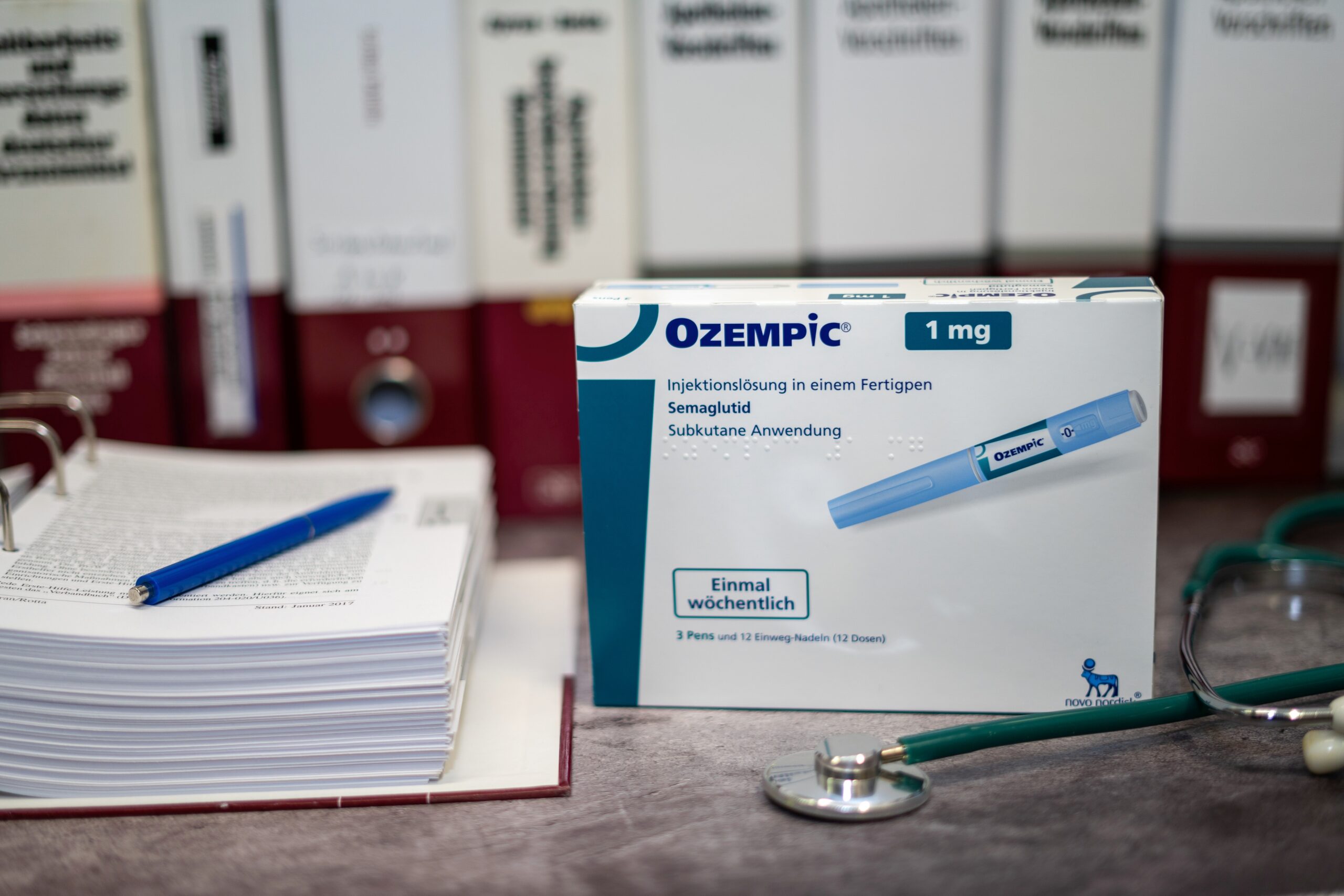
The future of weight management might soon fit into the palm of your hand, but is the convenience of oral GLP-1s enough to replace the proven efficacy of injectables?
Story Snapshot
- Experts are considering oral GLP-1s for maintenance therapy after initial injectable success.
- New oral GLP-1s are nearing regulatory approval, promising convenience and improved adherence.
- Patient-centric care is at the forefront of transitioning from injectables to pills.
- Challenges persist in absorption and strict dosing requirements for oral formulations.
Revolutionizing Weight Management
GLP-1 receptor agonists have transformed diabetes and obesity treatment through their proven ability to lower blood sugar and promote weight loss. Initially available as injectables, these medications have set the standard for managing these chronic conditions. However, the demand for more convenient treatment options has led to the development of oral GLP-1 formulations, like semaglutide (Rybelsus), approved in 2019 for type 2 diabetes. This innovation aims to address needle aversion and improve adherence.
Despite the promise of these oral medications, they come with challenges. The absorption of oral semaglutide is less efficient than injectables, requiring strict adherence to dosing instructions, including fasting. As new oral GLP-1s like orforglipron and VK2735 approach the market, experts are debating their role in maintenance therapy after initial treatment success with injectables. The focus is on whether these pills can maintain benefits while improving convenience.
The Clinical Rationale
Transitioning patients from injectable to oral GLP-1s for maintenance therapy is a topic of growing interest among healthcare providers. The rationale is grounded in patient-centric care, emphasizing convenience and adherence. While injectables are praised for their efficacy in inducing weight loss and glycemic control, the weekly injections can be a barrier for some patients. Oral formulations offer a needle-free alternative, potentially broadening access to treatment.
However, the effectiveness of oral GLP-1s as a maintenance therapy remains under scrutiny. Experts highlight the lower and more variable bioavailability of these pills, necessitating strict dosing regimens. This complexity might deter some patients, despite the initial appeal of a pill over an injection. Real-world studies are underway to evaluate the long-term efficacy and safety of oral GLP-1s as a step-down therapy.
Stakeholders and Motivations
Pharmaceutical companies, healthcare providers, and patients are the primary stakeholders in the evolution of GLP-1 therapies. Companies like Novo Nordisk and Eli Lilly are at the forefront, motivated by the potential to expand their market share and meet unmet needs. Healthcare providers aim to optimize patient outcomes by offering effective and convenient treatment options. Patients seek therapies that are not only effective but also align with their lifestyle preferences.
Regulatory agencies, such as the FDA, play a crucial role in ensuring the safety and efficacy of these medications. As new oral GLP-1s undergo clinical trials, their potential approval could reshape treatment paradigms. The power dynamics within this landscape are complex, with pharmaceutical companies and healthcare providers influencing prescribing patterns, while patient advocacy groups increasingly shape the public discourse.
Future Implications and Industry Impact
The short-term implications of transitioning to oral GLP-1s include improved adherence and patient satisfaction for those who prefer pills over injections. This shift could also lead to broader access among populations reluctant to use injectables. In the long term, oral GLP-1s might alter treatment paradigms, with injectables reserved for induction and pills for maintenance therapy. This evolution could drive competition and innovation within the pharmaceutical industry.
Oral GLP-1 Pill For Weight Loss Shows Promise, But Challenges Remain https://t.co/1ZrLNE4g2D
— Zicutake USA Comment (@Zicutake) September 2, 2025
The economic and social impacts of this shift are significant. Increased demand for oral GLP-1s could drive down costs through competition, potentially reducing health disparities linked to injection aversion. However, the convenience of pills is tempered by strict dosing requirements, which might limit their appeal. The ongoing dialogue among experts, coupled with real-world data, will continue to shape the future of GLP-1 therapies.
Sources: