A colony of ocean-dwelling bacteria may hold the key to dissolving the world’s plastic crisis—one molecule at a time.
Story Snapshot
- Scientists have discovered bacteria in the ocean that can digest PET plastic, which is used in bottles and clothing.
- The bacteria utilize specialized enzymes whose unique molecular signatures enable the efficient breakdown of plastic pollutants.
- This evolutionary leap could transform our approach to plastic waste management and environmental cleanup.
- Researchers at KAUST revealed the molecular mechanism distinguishing these powerful plastic-degrading enzymes.
Ocean Bacteria: Nature’s Unlikely Answer to Plastic Pollution
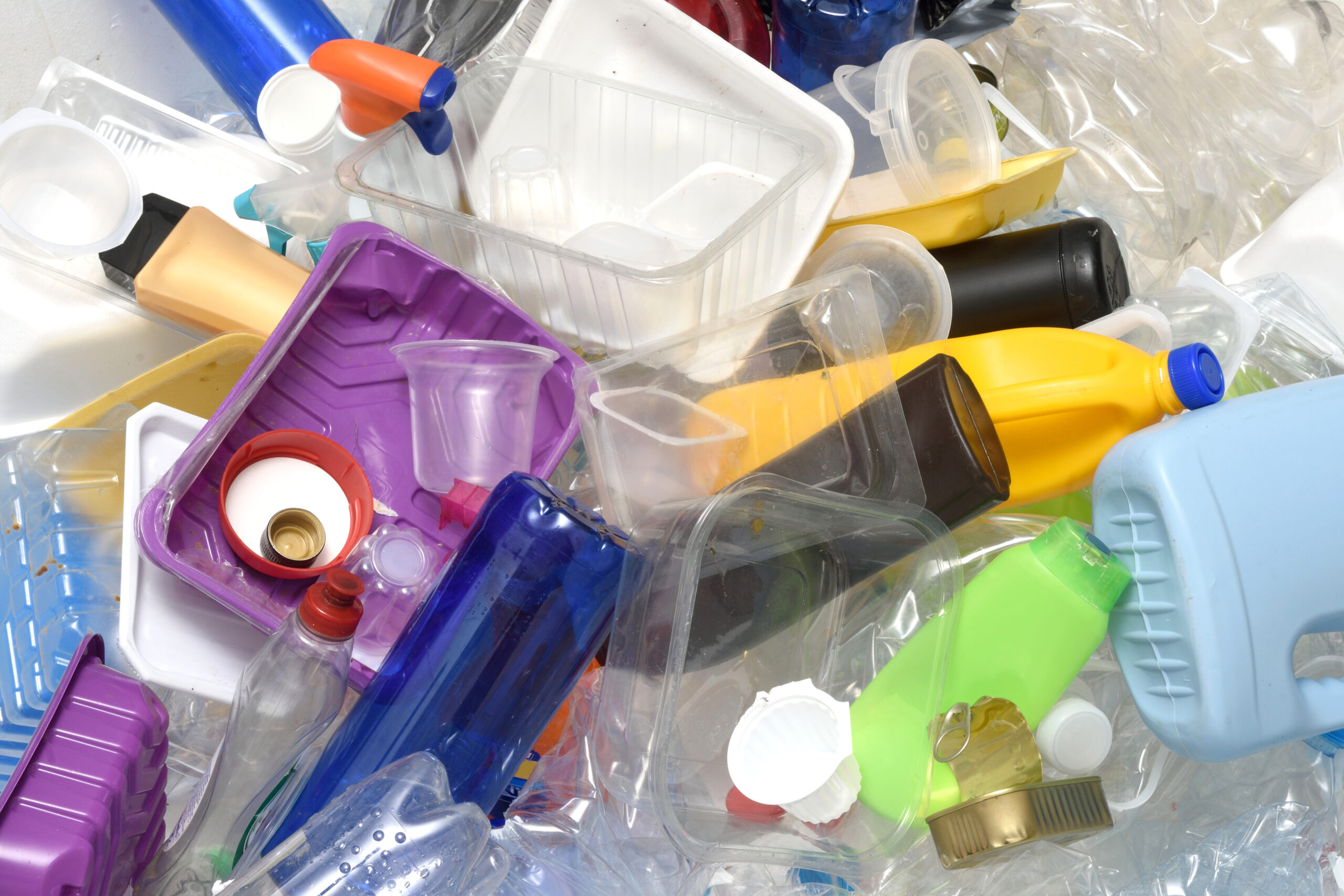
Marine researchers scouring the world’s oceans have uncovered a microscopic force capable of achieving what decades of recycling campaigns and eco-activism have not: the breakdown of PET plastic by bacteria. These bacteria, thriving in the harsh, competitive environment beneath the waves, have evolved specialized enzymes that can attack and decompose one of humanity’s most persistent pollutants. PET, or polyethylene terephthalate, forms the backbone of countless disposable bottles and synthetic fibers, and its accumulation in marine environments has been an ongoing environmental emergency.
Watch; Did Scientists Find Plastic-Eating Bacteria in the Deep Ocean?
Researchers at King Abdullah University of Science and Technology (KAUST) have taken the investigation further, identifying a unique molecular “signature” that marks these enzymes as champions of plastic degradation. This signature is not just a quirk of evolution—it is a roadmap for scientists seeking to engineer or enhance similar enzymes for industrial-scale plastic cleanup. Unlike the slow and incomplete breakdown observed in most environments, these oceanic enzymes rapidly deconstruct PET into its basic components, setting the stage for a circular economy where plastic is not merely discarded but recycled at the molecular level.
Plastic-eating bacteria discovered in the ocean https://t.co/NMVrZsTRzN
— Alaska Dog Works (@AlaskaDogWorks) November 4, 2025
The Evolutionary Arms Race Beneath the Waves
Beneath the ocean’s surface, bacteria face a relentless struggle for survival. The appearance of PET plastic in their environment presented both a challenge and an opportunity. Over time, selective pressure favored microbes that could harvest energy from this new, human-made resource. Through a process of natural selection, certain bacterial populations developed enzymes capable of binding to the tightly packed chains of PET and breaking them apart. The discovery of these bacteria upends assumptions about the pace at which life adapts to new environmental threats. It also raises important questions: How widespread are these bacteria? Could similar evolutionary processes occur elsewhere, perhaps even engineered in the lab for faster results?
Implications for Global Waste Management and Future Research
The discovery holds enormous implications for both environmental science and industry. If these enzymes—or their engineered cousins—can be produced at scale, they might be incorporated into waste treatment plants, recycling facilities, or even used directly in ocean cleanup efforts. Current recycling methods struggle with contamination and inefficiency, but enzyme-driven degradation could sidestep many of these obstacles, breaking plastics down into reusable compounds with minimal energy input. The potential applications are vast, but so are the challenges. Scaling up enzyme production, ensuring their stability in diverse conditions, and preventing unintended ecological consequences will require careful, multidisciplinary collaboration.
Looking Ahead: Turning Plastic’s Downfall into a Success Story
The race is now on to harness the lessons of marine evolution for the benefit of the planet. The story of plastic-eating bacteria is far from over. Will these enzymes revolutionize recycling? Will human ingenuity outpace the scale of plastic waste production? Researchers are optimistic, but history teaches that every technological leap invites new questions. The next chapter will likely be written at the intersection of biology, engineering, and environmental ethics—a reminder that the solutions to our most pressing challenges sometimes emerge from the unlikeliest corners of the natural world.
Sources:
https://scitechdaily.com/scientists-discover-ocean-bacteria-that-feast-on-plastic/
https://www.sciencedaily.com/releases/2025/11/251104013023.htm