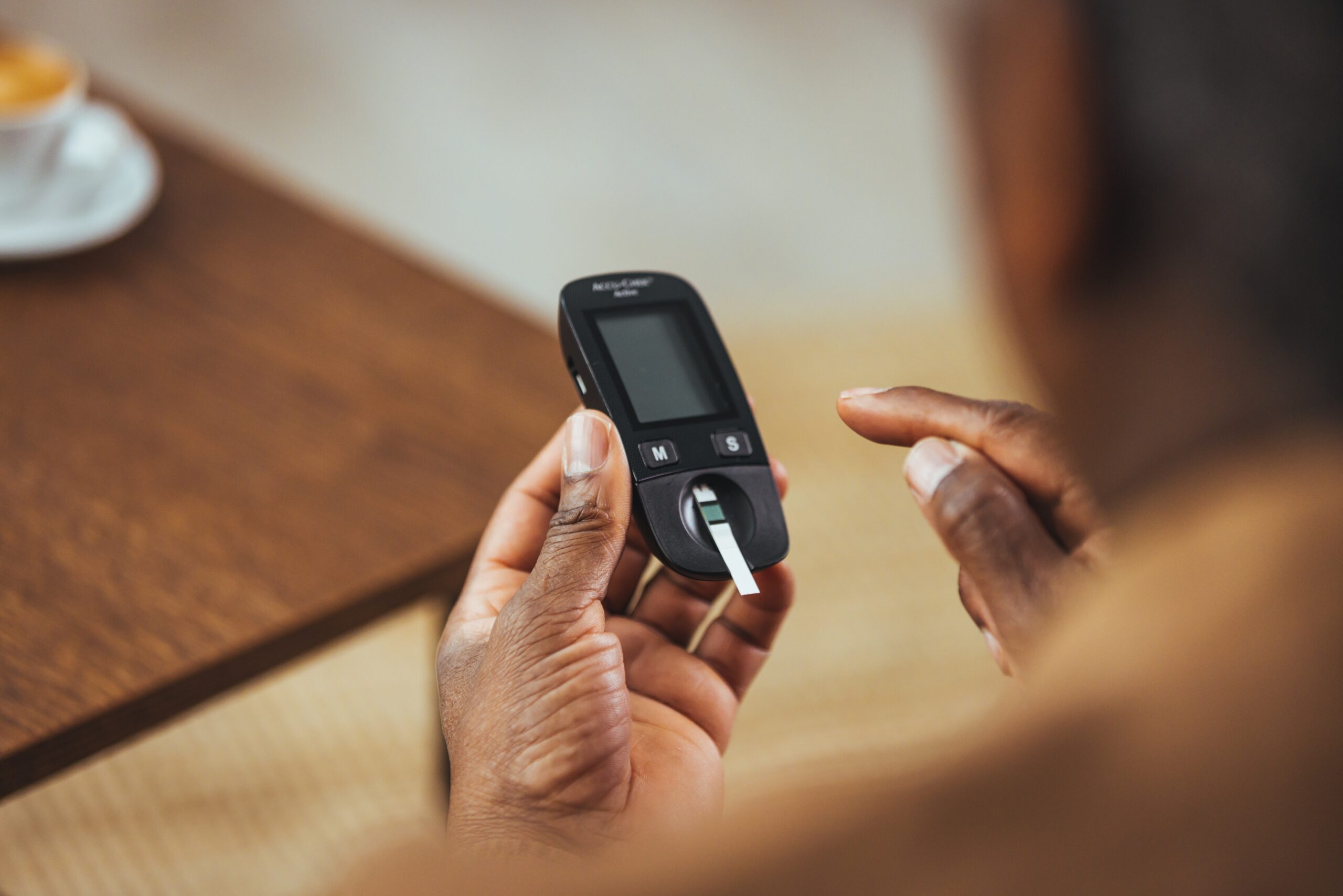
Twenty years of groundbreaking research has revealed that the silent killer lurking in your arteries during middle age becomes your brain’s most dangerous enemy decades later.
Story Overview
- Midlife hypertension emerges as the strongest predictor of cognitive decline over two decades
- Large-scale studies tracking over 13,000 participants confirm the brain-blood pressure connection
- Early intervention in blood pressure management offers promising dementia prevention strategy
- New predictive tools help estimate Alzheimer’s risk years before symptoms appear
The Silent Threat Hiding in Plain Sight
The Atherosclerosis Risk in Communities Study began tracking participants in 1987, creating one of the most comprehensive long-term health databases ever assembled. Over 13,000 middle-aged adults underwent regular cognitive testing and health assessments across two decades. The results painted a stark picture that would reshape our understanding of brain aging.
Participants with elevated blood pressure during midlife experienced significantly steeper cognitive decline compared to those with normal readings. The relationship proved both consistent and dose-dependent, meaning higher pressures correlated with greater cognitive losses. This wasn’t merely correlation but a demonstrable pathway from cardiovascular health to brain function.
When Your Heart Betrays Your Mind
The Whitehall II study of British civil servants reinforced these findings with remarkable precision. Researchers followed participants through regular cognitive assessments, documenting how hypertension in the 40s and 50s translated into measurable mental decline in the 60s and beyond. The evidence became undeniable across different populations and geographic regions.
What makes hypertension particularly insidious is its stealth nature during the critical midlife period. Unlike other risk factors that announce themselves through obvious symptoms, elevated blood pressure operates silently while inflicting cumulative damage on delicate brain vessels. The cognitive consequences don’t manifest until decades later, when intervention opportunities have largely passed.
The New Science of Prediction
Recent developments at Mayo Clinic and UT Southwestern have transformed these research insights into practical clinical tools. Scientists now estimate Alzheimer’s risk years before symptoms begin, incorporating vascular risk factors alongside cognitive trajectories. These predictive models represent a fundamental shift from reactive treatment to preventive intervention.
Watch:
The UT Southwestern research revealed that cognitive decline itself becomes the strongest predictor of life expectancy in Alzheimer’s patients. This finding underscores the cascade effect where vascular damage leads to cognitive impairment, which then accelerates overall health deterioration. The interconnection between heart, brain, and longevity creates a compelling case for aggressive midlife blood pressure management.
Breaking the Cycle Before It Starts
The research delivers both sobering warnings and genuine hope. While the data clearly demonstrates hypertension’s devastating long-term cognitive effects, it also identifies a modifiable risk factor. Unlike genetic predisposition or age, blood pressure responds to intervention through medication, lifestyle changes, and sustained management strategies.
The investment in midlife prevention pays dividends in maintained independence, preserved relationships, and extended quality of life during the crucial final decades.
Sources:
JAMA Neurology – Midlife Hypertension and 20-Year Cognitive Change
UT Southwestern – Cognitive Decline Key Factor in Predicting Life Expectancy
PMC – Longitudinal Cognitive Trajectories and Dementia Risk
PMC – Neuropsychological Decline Before Incident Mild Cognitive Impairment
South Florida Hospital News – Mayo Clinic Tool Predicts Alzheimer’s Risk