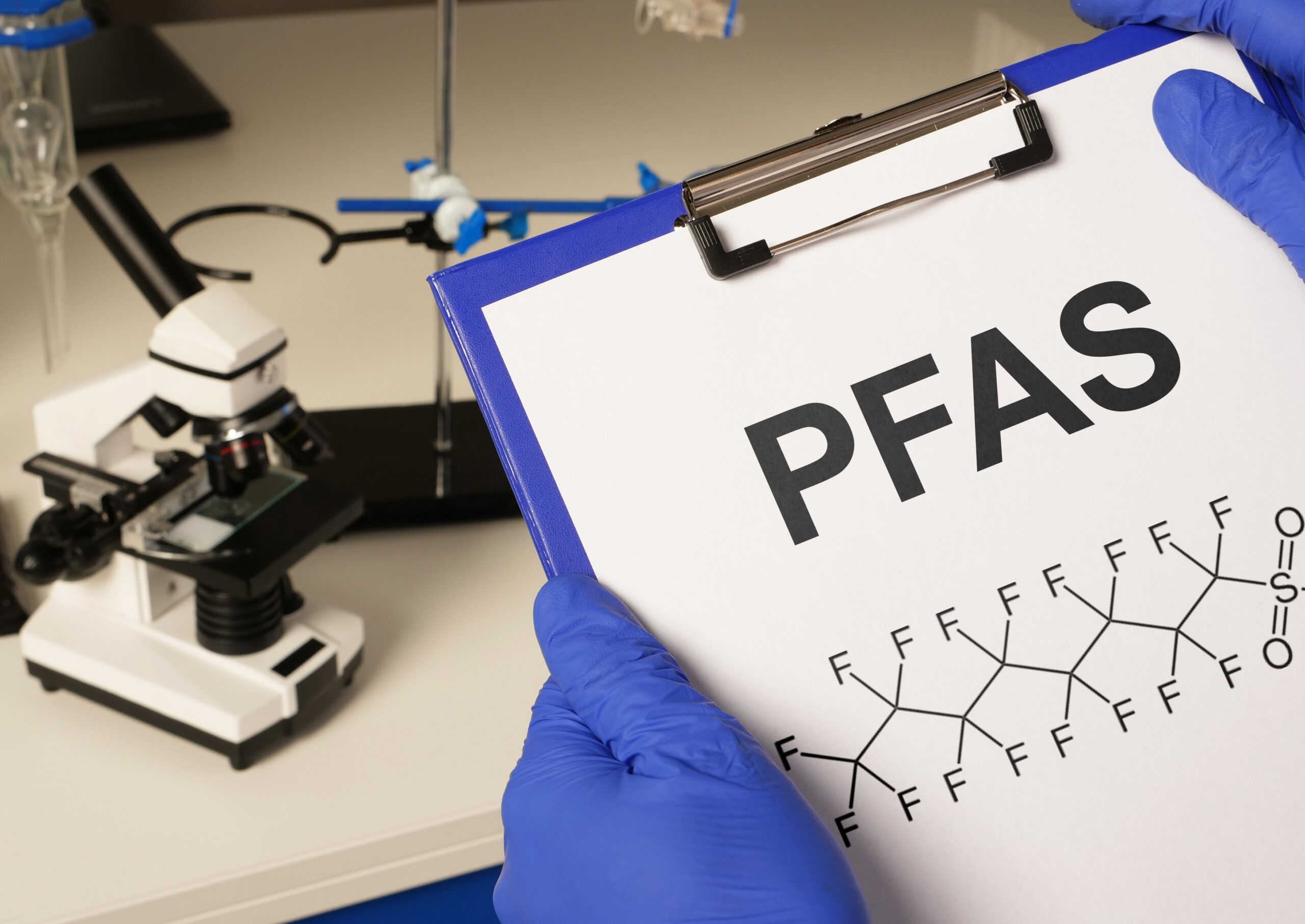
A microscopic bacterium discovered by University of Nebraska researchers has demonstrated the ability to break down one of the most stubborn forever chemicals contaminating our water supplies and bodies.
Quick Take
- Scientists identified Rhodopseudomonas palustris, a common photosynthetic bacterium, removing 44% of PFOA from laboratory samples within 20 days
- Multiple research teams worldwide have now documented different bacterial strains capable of degrading or sequestering PFAS compounds
- This biological approach differs fundamentally from traditional remediation methods that merely trap contaminants rather than breaking them down
- Significant challenges remain before deploying these microbes in real-world contaminated sites, including incomplete degradation and toxic byproduct formation
The Forever Chemical Crisis We Cannot Ignore
PFAS—per- and polyfluoroalkyl substances—have infiltrated our environment since the 1940s through industrial manufacturing, military firefighting foams, and consumer products. These synthetic compounds earned their “forever” designation because the carbon-fluorine bonds that make them useful also render them nearly indestructible through conventional means. Detection now extends beyond contaminated sites to drinking water supplies nationwide and measurable levels in the bloodstreams of most Americans. Traditional remediation methods have proven inadequate, relying on activated carbon and ion exchange resins that trap rather than eliminate these chemicals.
Rajib Saha’s Laboratory Discovery Changes the Game
Researchers at the University of Nebraska, led by Rajib Saha and Nirupam Aich, published findings in Environmental Science: Advances demonstrating that Rhodopseudomonas palustris removed approximately 44% of PFOA from controlled laboratory conditions within 20 days. While incomplete degradation might sound like failure, the discovery represents a fundamental breakthrough. The bacterium appears to initially trap PFOA in its membranes, creating a foundation for future genetic engineering to improve retention or enable complete biotransformation.
Watch;
Multiple Bacterial Strains Show Consistent Results
The Nebraska discovery gains credibility from parallel research worldwide. University at Buffalo researchers identified strain F11, a bacterium capable of breaking apart carbon-fluorine bonds and degrading toxic byproducts. Italian researchers from Catholic University of Piacenza documented soil-dwelling bacteria achieving degradation rates exceeding 30% in laboratory conditions. University of Cambridge scientists discovered gut bacteria bioaccumulating PFAS, effectively sequestering the chemicals within their cells. This convergence of findings from independent teams using different bacterial strains suggests we’re uncovering a broader biological capacity rather than isolated phenomena.
The Practical Deployment Challenge Ahead
Laboratory success does not automatically translate to environmental remediation at contaminated sites. Current degradation rates—ranging from 30% to 44%—represent significant progress but incomplete solutions. Researchers must address several obstacles before real-world deployment becomes viable. Bacterial cells may break apart during treatment, releasing previously sequestered PFAS back into the environment. Some degradation processes create intermediate compounds whose long-term toxicity remains unknown. Moving from controlled laboratory conditions to messy environmental reality requires solving scalability, cost-effectiveness, and durability challenges.
Why This Matters Beyond the Laboratory
Communities with PFAS-contaminated water supplies face health concerns including elevated cholesterol, liver damage, and immune system suppression. Effective biological remediation could restore water safety and reduce these health risks substantially. The environmental remediation industry faces potential transformation as biological methods supplement or replace traditional approaches. Manufacturing industries using PFAS-containing materials may face pressure to invest in remediation capabilities or adopt alternatives.
Sources:
This tiny microbe may be the key to fighting forever chemicals – Science Daily
Bacteria unearthed in Italian soil offer hope against PFAS chemicals – Innovation News Network
Bacteria found to eat forever chemicals – University at Buffalo News
Microbial PFAS Biotransformation Studies – ACS Publications
Gut bacteria found to soak up toxic forever chemicals – Science Alert
Biodegrading the Undegradable – Nature Microbiology
Biodegrading the Undegradable: Microorganisms in PFAS Elimination – Frontiers
PFAS Remediation – National Institute of Environmental Health Sciences