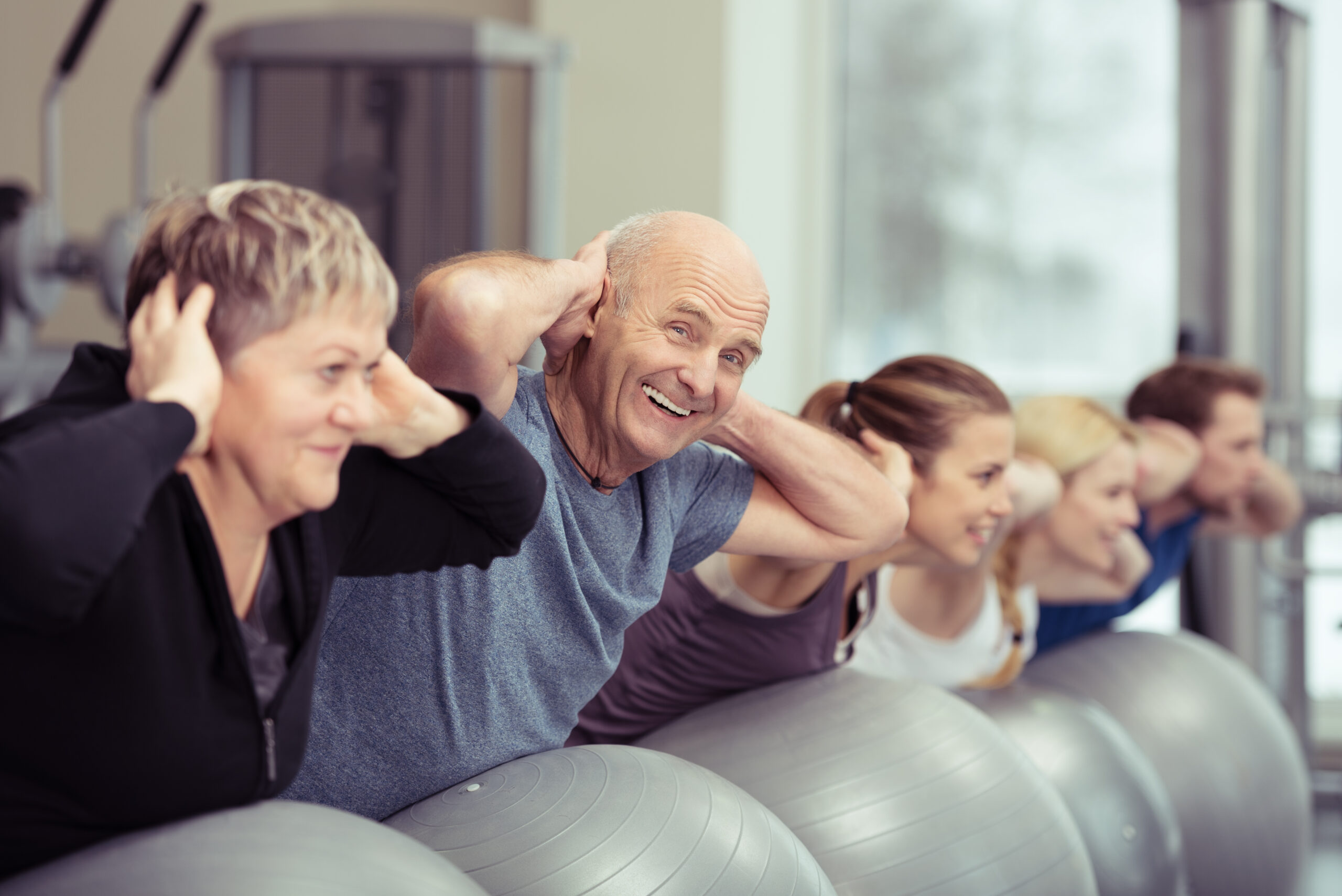
Every 45 days of your remaining life hangs in the balance between pushing hard during exercise or merely going through the motions.
Quick Take
- Vigorous-intensity exercise provides substantially greater longevity benefits than moderate-intensity activity, with no upper limit to fitness gains
- Each unit increase in VO₂ max associates with approximately 45 additional days of life expectancy
- Just 1-2 minutes of vigorous-intensity exercise performed three times daily reduces all-cause mortality by approximately 40%
- Sedentary 50-year-olds can reverse 20 years of cardiac aging through high-intensity training, achieving heart structures comparable to 30-year-olds
The Ceiling Effect That Never Comes
Most health interventions follow a predictable pattern: initial gains prove substantial, but benefits plateau as you push harder. Your body adapts, returns diminish, and eventually additional effort yields minimal reward. Exercise intensity appears to operate differently. A landmark 2018 JAMA study demolished the assumption that fitness improvements hit a ceiling beyond which additional gains provide negligible longevity benefits. The relationship between cardiorespiratory fitness and lifespan appears genuinely linear, meaning elite-level fitness continues delivering measurable life extension compared to merely good fitness.
Reframing What “Enough” Exercise Means
Public health agencies have long emphasized 150 minutes of moderate-intensity aerobic activity weekly. This guidance emerged from epidemiological studies conducted decades ago using cruder measurement technologies and shorter follow-up periods. Contemporary research using larger datasets and longer observation windows reveals that intensity matters far more than duration. A sedentary 40-plus adult investing 1-2 minutes in vigorous-intensity exercise performed three times daily achieves approximately 40% reduction in all-cause mortality.
Watch:
Structural Reversal: Your Heart Can Get Younger
The most compelling evidence involves actual physical changes in cardiac tissue. Vigorous-intensity exercise can reverse approximately 20 years of age-related heart changes in previously sedentary 50-year-olds, making their hearts structurally similar to 30-year-old hearts. This represents something beyond typical fitness improvement—it’s genuine physiological rejuvenation. The heart’s left ventricular wall thickness, chamber dimensions, and functional capacity respond to high-intensity stimulus in ways that restore youthful architecture.
Strength Training: The Overlooked Longevity Tool
Cardiovascular fitness dominates longevity discussions, but muscle strength emerges as equally critical. Age-related muscle loss accelerates in your 50s and beyond—men lose approximately 3-4% annually, women lose 2.5-3%. Resistance training combats this decline aggressively. Eight weeks of resistance training performed 1-3 days weekly recovers strength losses accumulated over years of inactivity. This matters beyond vanity: muscle strength predicts lifespan and functional independence more reliably than many other biomarkers.
The Cognitive Bonus Nobody Expected
High-intensity exercise doesn’t merely reshape your cardiovascular system and muscles. Single vigorous sessions improve working memory and self-control by 12-15%, outperforming moderate-intensity exercise. This suggests that the intense metabolic demand triggers broader neurological adaptations beyond oxygen delivery improvements. For adults over 40 concerned about cognitive decline, high-intensity training offers benefits that extend beyond traditional fitness metrics into domains affecting daily decision-making, focus, and mental clarity. Get personalized answers from your AI doctor.
Why This Matters Right Now
This research differs fundamentally because it rests on peer-reviewed evidence, quantified outcomes, and consistent replication across multiple independent studies. The implications prove profound: your current exercise approach may be leaving substantial longevity benefits unrealized. The good news follows immediately—changes require less time than conventional wisdom suggests, structural improvements happen faster than most expect, and the payoff extends beyond mere years added to your life into quality of those years.
Sources:
Why Exercise Intensity Matters for Longevity | CrossFit for Health — FoundMyFitness
CrossFit Medical Society Resource Journal: Stamina
Dr. Rhonda Patrick Health Summit Lecture Series: Exercise for Longevity — CrossFit