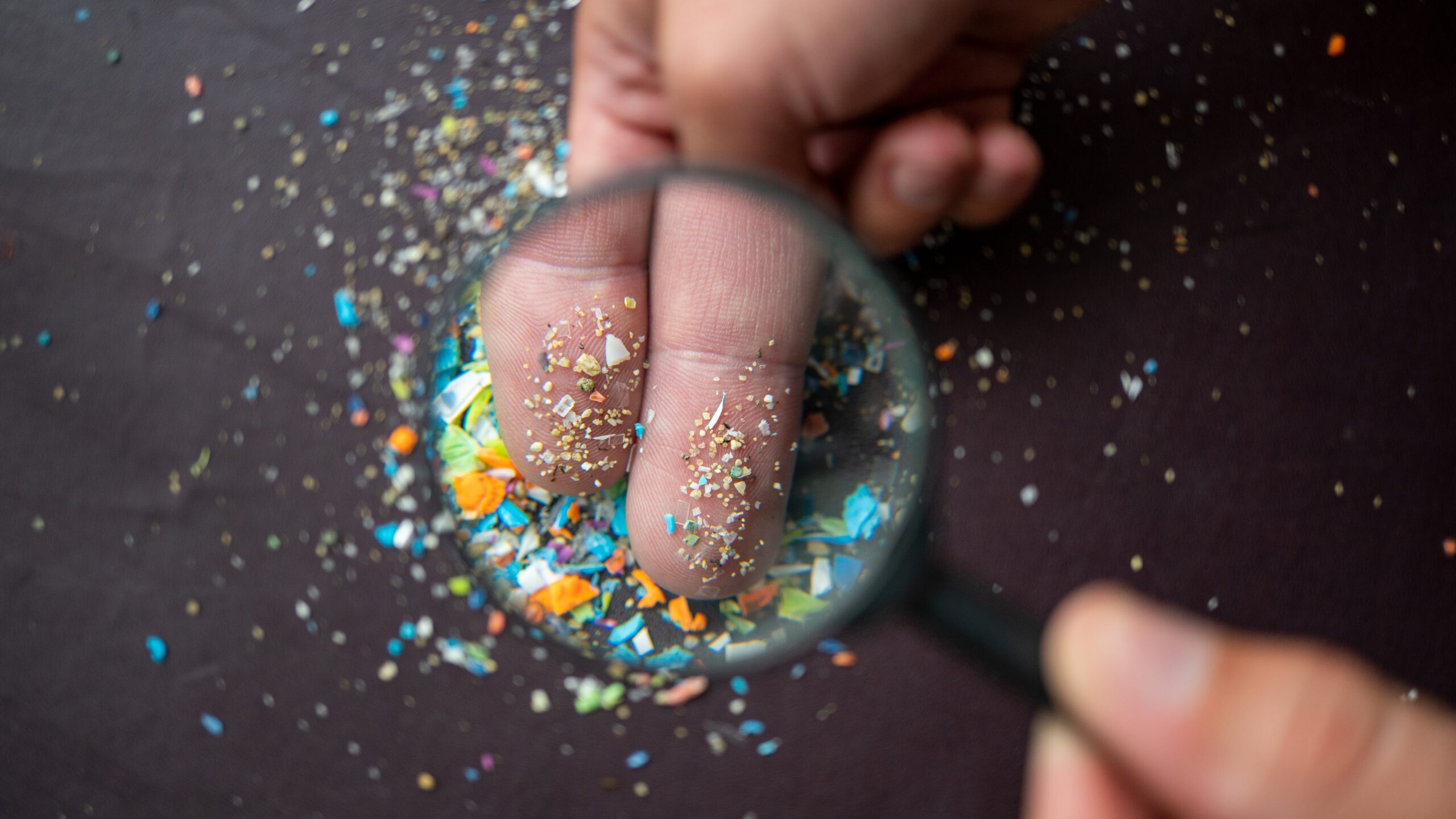
Microplastics are not just polluting our oceans; they could be silently altering our hormones.
Story Overview
- Microplastics are increasingly found in human tissues.
- They carry chemicals that act as endocrine disruptors.
- Potential impacts include hormonal imbalances and fertility issues.
- Calls for regulatory action are growing louder.
The Proliferation of Microplastics
Micro- and nanoplastics, once a concern limited to environmentalists, have infiltrated everyday life. These tiny plastic particles have been detected in the air we breathe, the water we drink, and even within the tissues of our bodies. Emerging research highlights a more insidious threat—these particles may be carrying chemicals that disrupt our endocrine systems, affecting everything from hormone levels to reproductive health.
As these plastics break down, they release a cocktail of chemicals like phthalates and bisphenols, known endocrine disruptors. The implications for human health are profound. Experimental studies in animals demonstrate that exposure can lead to altered hormone levels, affecting reproductive and thyroid functions. While direct evidence in humans is still developing, the animal data is compelling enough to raise alarms.
Watch:
Scientific Evidence and Concerns
Recent studies have put the spotlight on microplastics as vectors of endocrine-disrupting chemicals. A 2024 review in Endocrinology and Metabolism underscores the potential for these plastics to interfere with major endocrine axes, including the hypothalamic-pituitary-gonadal and thyroid axes. Such disruptions could lead to impaired fertility and developmental issues, especially concerning for children and pregnant women.
Experts argue that the time for regulatory action is now. Despite the limited direct epidemiological evidence in humans, the mechanistic and animal data present a strong case for precautionary measures. The Endocrine Society has issued statements emphasizing the global health threats posed by these plastic-linked chemicals, advocating for stricter regulations on plastic production and additives.
Got a health question? Ask our AI doctor instantly, it’s free.
Calls for Regulation and Action
The conversation around microplastics is shifting from environmental concerns to public health imperatives. Advocacy groups and scientific societies are urging for a global treaty to curb plastic production and regulate the chemicals used in manufacturing. Such a treaty would not only address pollution but also mitigate the risks of endocrine disruption.
This narrative is gaining traction in popular media, with articles highlighting the havoc microplastics could wreak on human hormones and fertility. The push for regulation is bolstered by the mounting evidence that exposure to these plastics can have serious health implications, particularly for vulnerable populations like children and pregnant women.
Microplastics Could Be Disrupting Your Hormone Levels, New Study Says – EatingWell https://t.co/OsmPeh6TLC
— MyRoadTo100 (@my_road_to_100) December 8, 2025
Get fast, reliable health advice from your AI doctor now.
Future Implications and Actions
The potential long-term impacts of microplastics on human health are concerning. Chronic exposure could contribute to infertility, metabolic disorders, and developmental issues. Health experts are increasingly recommending measures to reduce plastic exposure, particularly in food and consumer products.
As awareness grows, the pressure on policymakers to implement regulatory frameworks will intensify. The need for a proactive approach is clear, and the time to act is now. Protecting future generations from the unseen dangers lurking in everyday plastics requires concerted global effort and robust regulatory action. Smart health starts here, try My Healthy Doc today.
Sources: