GLP-1 drugs like semaglutide melt fat fast, but they devour up to 40% of your precious muscle mass, leaving you weaker and slower-burning long-term.
Story Snapshot
- GLP-1s cause 15-40% of weight loss to come from lean muscle, bone, and vital tissues, slashing strength and metabolism.
- High-protein diets paired with resistance training preserve muscle better than either alone during rapid weight loss.
- Ketosis from low-carb, high-protein eating further protects muscle by shifting body fuel sources.
- Emerging drugs like bimagrumab boost fat loss while building muscle when combined with semaglutide.
- Protein sensors track intake and muscle breakdown to optimize GLP-1 therapy.
GLP-1 Drugs Accelerate Weight Loss and Muscle Erosion
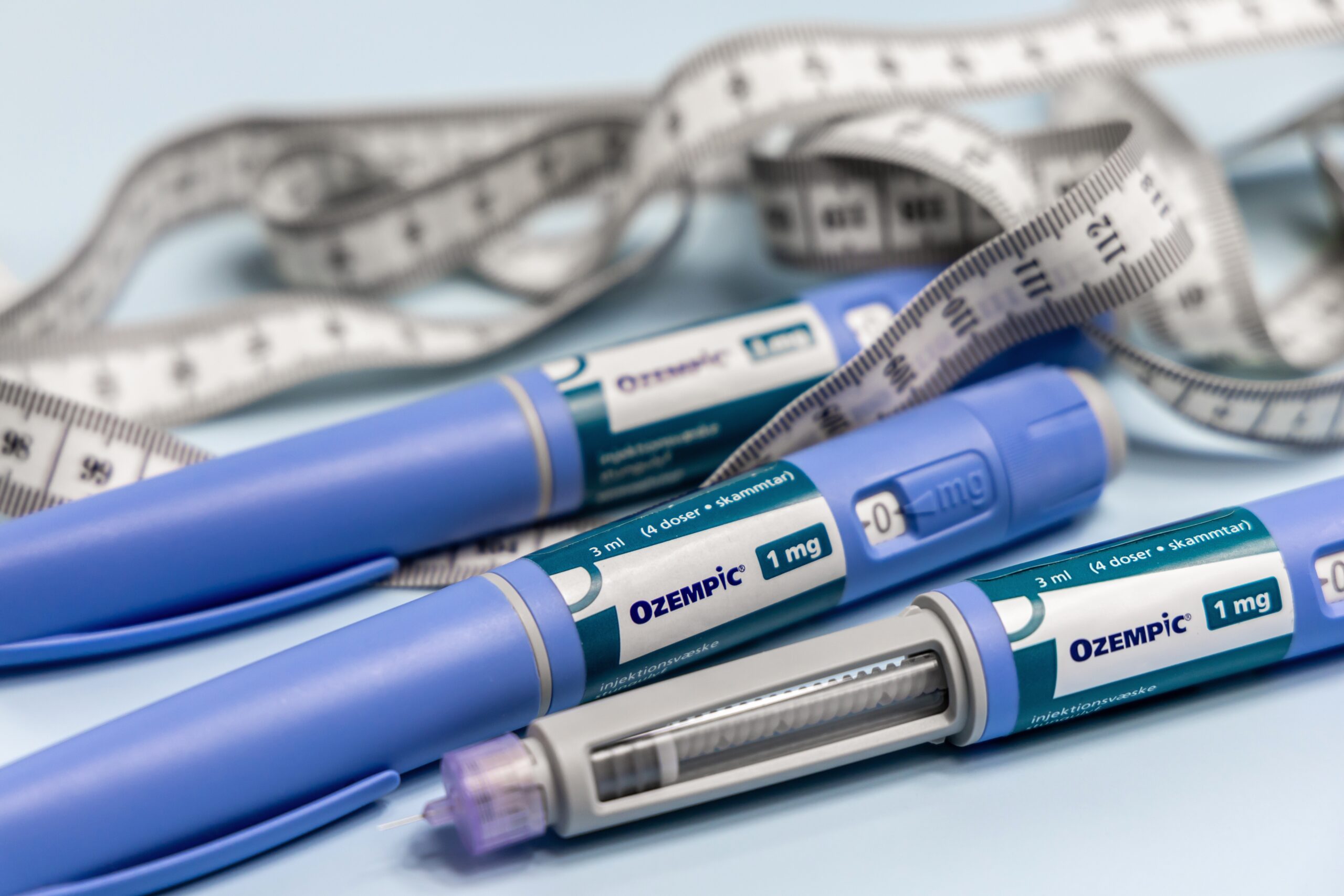
Semaglutide and similar GLP-1 receptor agonists trigger rapid weight reduction by curbing appetite and slowing digestion. Patients lose pounds quickly, often 15% or more of body weight in months. However, 15-40% of this loss stems from lean mass, including skeletal muscle, bone, and organs. Strength plummets as muscle fibers shrink. Metabolic rate drops, making future weight maintenance harder. Calorie deficits alone drive this muscle catabolism, but GLP-1s amplify the speed and scale.
Muscle Loss Hits Everyone in Calorie Restriction
Any severe calorie cut sparks muscle breakdown to supply amino acids for energy. GLP-1 drugs intensify this by slashing intake more aggressively than diet alone. Older adults over 40 face higher risks; sarcopenia accelerates with age. Bone density erodes too, raising fracture chances. Common sense dictates protecting muscle preserves vitality and independence. Conservative health principles prioritize sustainable strength over quick scales victories.
Patients report fatigue and frailty after months on these drugs. Grip strength and stair-climbing ability decline measurably. Facts confirm muscle loss undermines long-term success.
Meet My Healthy Doc – instant answers, anytime, anywhere.
High-Protein Diet Builds the First Defense
Consume 1.6-2.2 grams of protein per kilogram of body weight daily to signal muscles for preservation. Whey, eggs, and lean meats deliver leucine, the key trigger for muscle protein synthesis. Studies show high-protein intake during GLP-1 use retains 50-70% more lean mass versus standard diets. Spread intake across 4-5 meals to maximize anabolic response. This approach aligns with practical, no-nonsense nutrition that fuels American work ethic without gimmicks.
Resistance Training Locks in Muscle Gains
Lift weights three times weekly, targeting major groups with compound moves like squats, deadlifts, and presses. Progressive overload—adding weight or reps—counters the catabolic pull of GLP-1s. Research proves resistance exercise preserves muscle better than cardio or diet solo. Combine sessions post-meal for peak protein utilization. Even modest routines rebuild strength, embodying self-reliant resilience core to conservative values.
Track progress with body composition scans, not just scales. Visible tone returns as fat fades and muscle holds firm.
Watch:
https://www.youtube.com/shorts/j8gUFUqKROg
Start your health journey now.
Ketosis and Emerging Drugs Enhance Protection
Low-carb, high-protein diets induce ketosis, where ketones spare muscle by providing alternative fuel. This metabolic shift minimizes breakdown during deficits. Bimagrumab, an investigational myostatin inhibitor, pairs with semaglutide to shift loss toward fat exclusively—some trials show muscle gains. Protein sensors like those in apps monitor urinary markers of breakdown, guiding real-time adjustments. These tools empower precise, evidence-based choices.
Your instant doctor companion – online 24 hours a day.
Sources:
https://swordhealth.com/articles/glp-1-muscle-loss
https://pmc.ncbi.nlm.nih.gov/articles/PMC12325148/