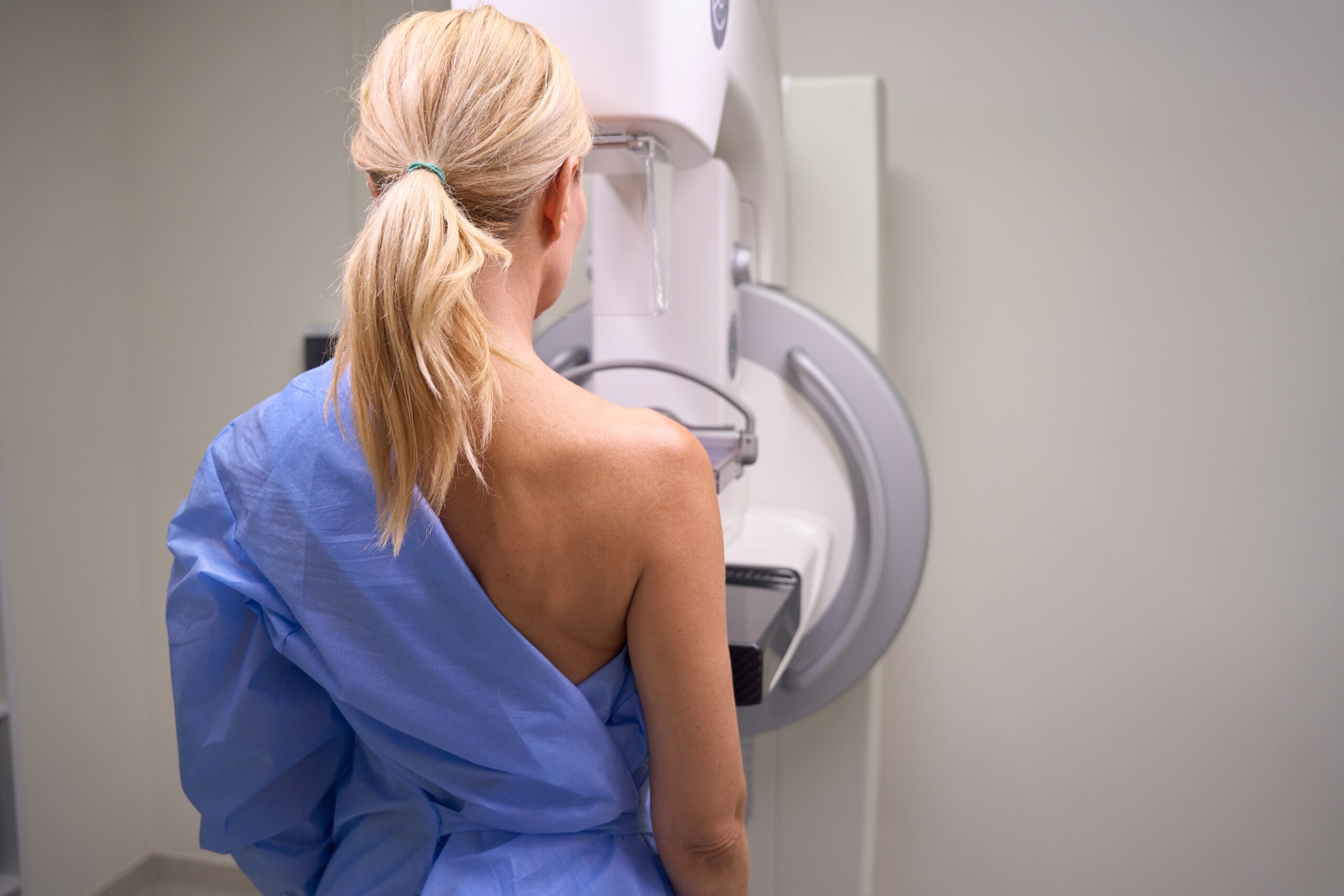
A recent study reveals that living near Superfund sites significantly increases the risk of aggressive breast cancer, raising concerns about environmental safety.
Story Highlights
- Proximity to Superfund sites linked to a 30% increase in metastatic breast cancer risk.
- Environmental pollution and neighborhood deprivation are key contributors.
- Findings emphasize the need for targeted screening and monitoring.
- Potential policy implications for Superfund site cleanup and environmental justice.
The Impact of Superfund Sites on Breast Cancer
Recent research from the University of Miami Miller School of Medicine highlights a concerning link between environmental contamination and aggressive breast cancer. Women living near federally designated Superfund sites in Florida are 30% more likely to develop metastatic breast cancer. These sites, identified by the Environmental Protection Agency for cleanup, pose significant health risks due to hazardous waste exposure.
This research, published in peer-reviewed journals, shifts focus from individual-level risk factors to environmental and social determinants of cancer severity. It underscores how geographic location and neighborhood conditions can directly influence cancer development and aggressiveness.
Key Findings and Implications
The study analyzed over 21,000 breast cancer cases in Florida between 2015 and 2019. It found that living near a Superfund site also increases the risk of triple-negative breast cancer, a subtype with limited treatment options. This is particularly concerning for communities with high exposure to particulate matter 2.5 (PM2.5), a known air pollutant linked to increased cancer risk.
Dr. Erin Kobetz, the lead researcher, emphasized the need for increased clinical awareness of environmental factors in breast cancer assessments. These findings could lead to more targeted screening and monitoring in high-risk communities, as well as community health initiatives focused on Superfund site remediation and air quality improvement.
Where you live may be fueling aggressive breast cancer
──────────────── 🔴
New research from the University of Miami’s Sylvester Comprehensive Cancer Center suggests that living near toxic Superfund waste sites may increase women’s risk of developing aggressive… pic.twitter.com/Sjj0kEYs6W— Science Joy (@InsideOurBodies) December 31, 2025
Long-Term Impacts and Policy Considerations
In the long term, the research suggests the development of personalized treatment strategies tailored to environmental exposure profiles and neighborhood conditions. There is potential for policy changes regarding the timelines for Superfund site cleanup and environmental remediation priorities. Such shifts could transform the cancer prevention paradigm from focusing solely on individual risk factors to addressing population-level environmental interventions.
These findings have broader implications for cancer research, public health policy, and environmental regulation. They highlight the need for integrating environmental quality metrics into cancer prevention strategies and recognizing environmental justice as a critical issue in cancer health equity. As research continues, it is essential to address the cumulative and interactive effects of multiple environmental exposures on cancer aggressiveness.
Meet My Healthy Doc – instant answers, anytime, anywhere.
Sources:
University of Miami Miller School of Medicine: Research on Environmental Contamination and Breast Cancer
Duke Health: Urban Environmental Exposures and Breast Cancer Incidence
University of Miami: Geographic Influence on Breast Cancer Aggressiveness
Environmental and Lifestyle Factors in Breast Cancer Risk