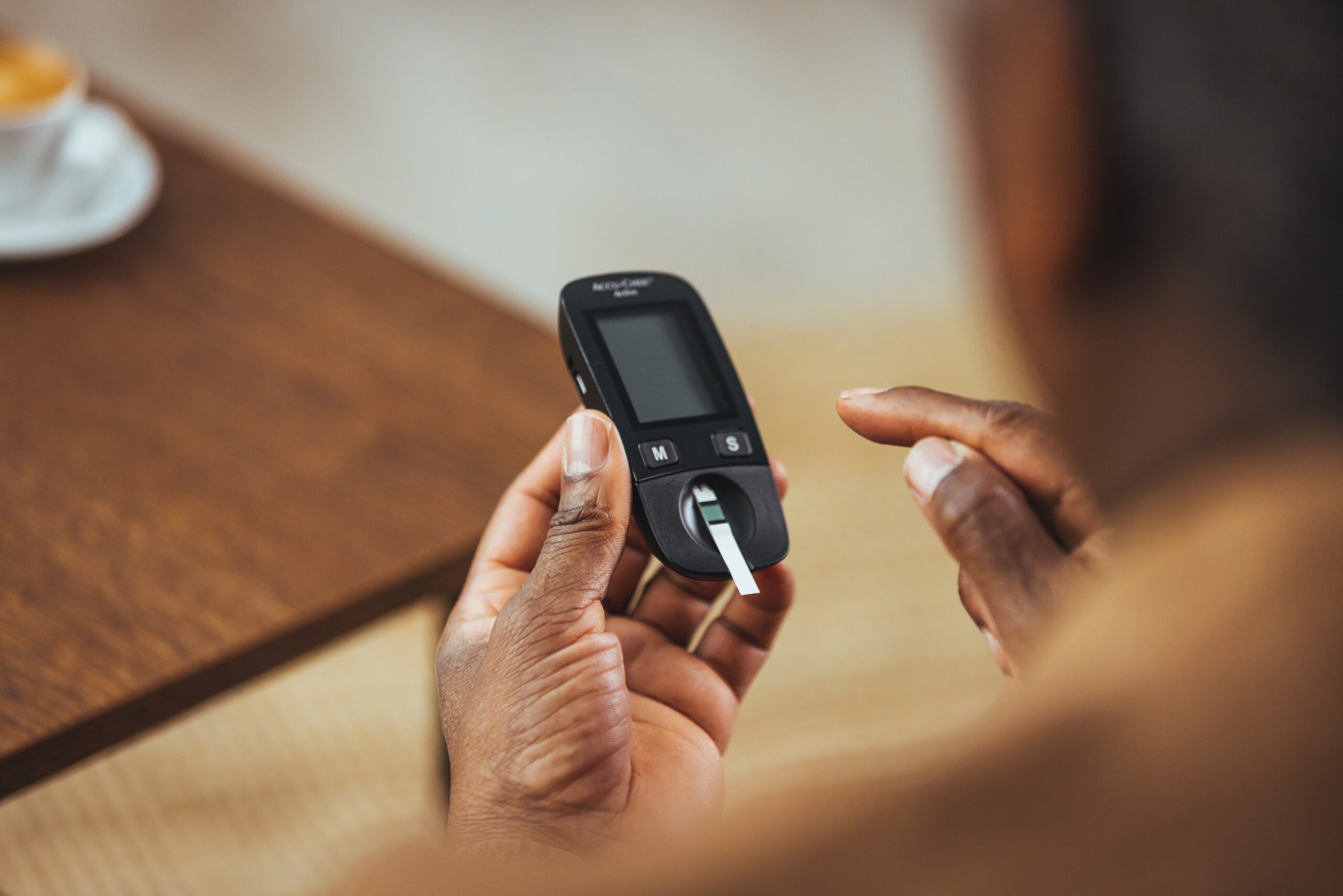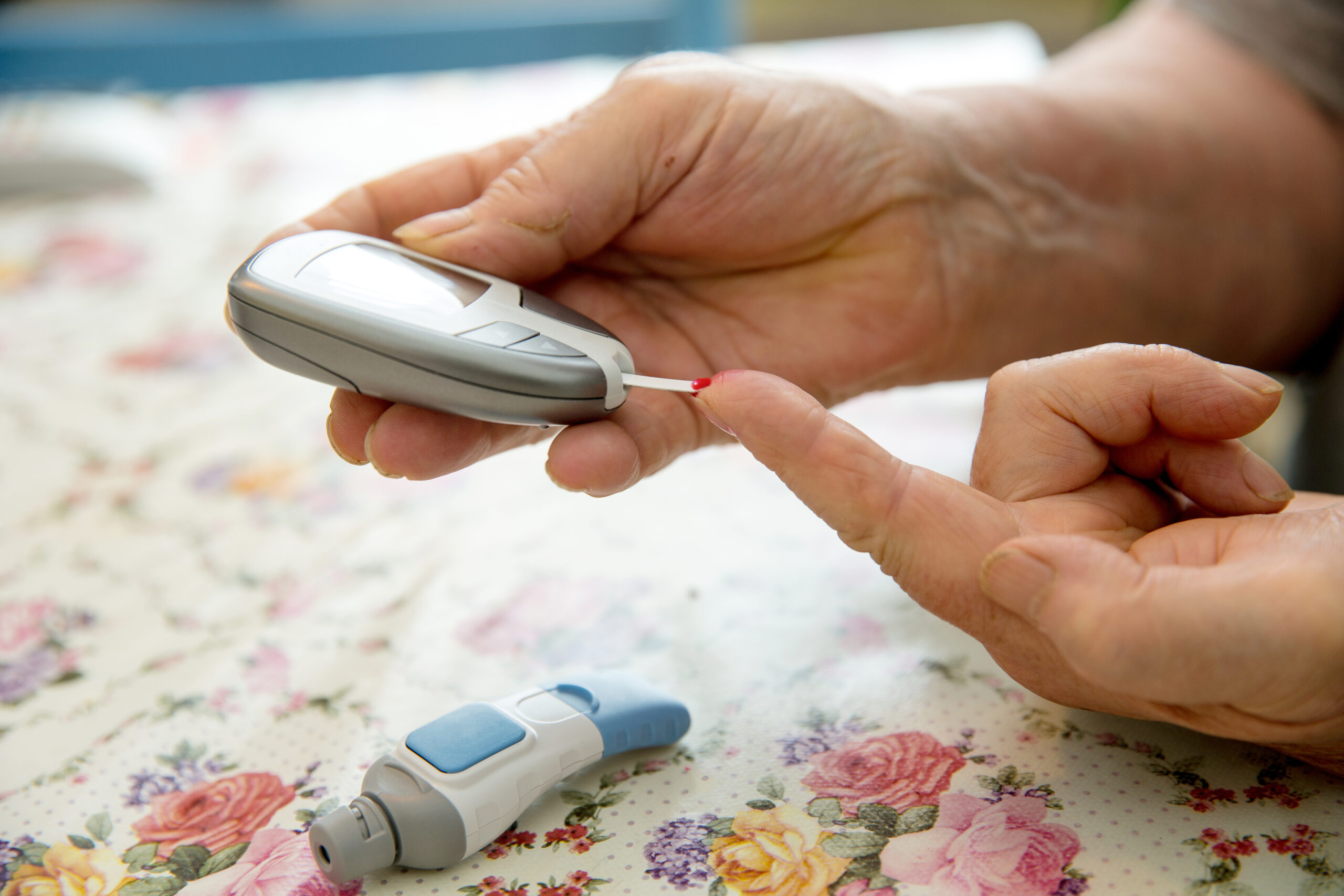
The bedtime snack advice your doctor gives you might actually be making your blood sugar worse, according to groundbreaking research that’s turning decades of diabetes management on its head.
Story Highlights
- Recent 2025 studies show bedtime snacks can increase overnight blood sugar variability and morning spikes
- Clinical trials reveal snacks are only necessary when bedtime glucose drops below 180 mg/dL (10 mmol/L)
- Protein and fat combinations outperform traditional carb-based snacks for stable overnight glucose
- Gestational diabetes patients show no benefit from bedtime snacking despite common recommendations
The Great Bedtime Snack Myth Unraveled
For years, diabetes patients have dutifully munched crackers and milk before bed, believing this ritual would prevent dangerous nighttime blood sugar crashes. A comprehensive 2022 systematic review of 16 studies shattered this conventional wisdom, finding no consistent benefit from routine bedtime snacking. Even more concerning, a 2025 analysis revealed that snacking actually increased overnight glucose variability by 12.3 mg/dL compared to going to bed without food.
The problem lies in timing and composition. Most traditional bedtime snacks contain fast-acting carbohydrates that spike blood sugar within hours, creating exactly the instability patients are trying to avoid. Northwestern University researchers have linked this late-night eating pattern to weight gain and worsened diabetes outcomes through disrupted circadian rhythms.
When Snacks Actually Help vs Harm
The landmark 2003 study in Diabetes Care established the critical threshold: bedtime snacks only benefit patients when their glucose level falls below 180 mg/dL at bedtime. Above this level, snacking becomes counterproductive. Type 1 diabetes patients face the highest risk, with 71% experiencing nocturnal hypoglycemia when skipping snacks at low bedtime glucose levels.
The research identified four categories of bedtime interventions: no snack, standard carbohydrate snack, protein-based snack, and cornstarch-based snack. Standard carbohydrate snacks performed best across all bedtime glucose levels for preventing dangerous lows, but protein snacks delivered equivalent protection with lower overall carbohydrate load. This distinction matters enormously for long-term glucose control.
Watch:
https://www.youtube.com/watch?v=8krkycw7sfo
Got a health question? Ask our AI doctor instantly, it’s free.
Expert-Approved Options That Actually Work
Clinical trials have validated specific snack compositions that provide sustained glucose release without spikes. Uncooked cornstarch emerged as a standout option, delivering slow glucose absorption over 4-7 hours. Small amounts of resistant starch showed similar benefits in the 2022 review, offering steady fuel without rapid blood sugar elevation.
High-protein, high-fat combinations represent the newest frontier in bedtime snack research. An ongoing clinical trial hypothesizes that these nutrient combinations will reduce morning glucose levels in type 2 diabetes patients better than traditional options. Early evidence suggests protein sources like Greek yogurt, nuts, or cheese provide the necessary glucose buffer without the roller-coaster effect of crackers or fruit.
Watch:
https://www.youtube.com/watch?v=LJGD0elTwlY
Meet My Healthy Doc – instant answers, anytime, anywhere.
The Surprising Failure in Gestational Diabetes
The most shocking revelation came from 2025 research on gestational diabetes. Despite widespread recommendations for bedtime snacks during pregnancy, the study found no reduction in morning hyperglycemia or adverse outcomes. This challenges standard prenatal diabetes protocols and suggests personalized approaches based on individual glucose patterns rather than blanket recommendations.
The failure in gestational diabetes highlights a broader issue: one-size-fits-all snacking advice ignores the complex interplay between insulin sensitivity, medication timing, and individual metabolism. What works for a Type 1 patient on intensive insulin therapy may prove harmful for someone with gestational diabetes or early Type 2 disease.
Chat safely, anytime, with My Healthy Doc.
Sources:
Impact of Bedtime Snack Composition on Prevention – Diabetes Care
Systematic Review of Bedtime Snacks in Diabetes – PMC
Best Bedtime Snacks for Diabetes – Diabetes Endocrine Care
High-Protein Bedtime Snack Clinical Trial – ClinicalTrials.gov
Diabetes Bedtime Snacks Guidelines – Rady Children’s Hospital
Bedtime Snacks in Gestational Diabetes Study – PubMed
Overnight Glucose Variability and Snacking – Diabetes Technology & Therapeutics
Late-Night Eating Research – Northwestern University