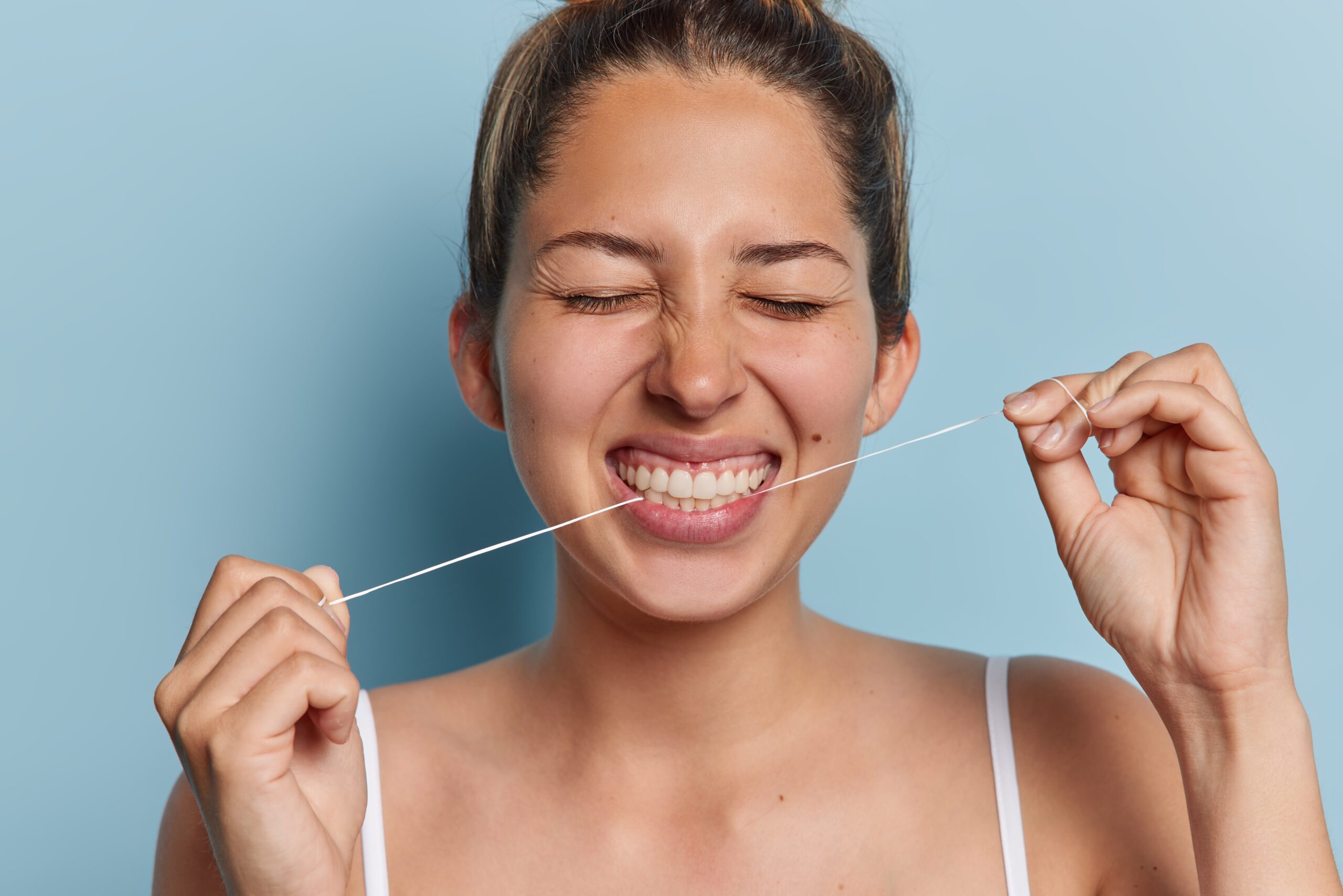
Flossing once a week slashes stroke risk by up to 44%—a simple string could guard your heart and brain against silent killers
Story Snapshot
- ARIC study tracks 6,258 participants over 25 years, linking weekly flossing to 22% lower ischemic stroke risk and 44% lower cardioembolic stroke risk.
- Regular flossing cuts atrial fibrillation risk by 12%, independent of brushing or dental visits.
- Oral inflammation from poor flossing fuels bloodstream bacteria, hardening arteries and sparking clots.
- Centenarians keep more teeth; flossing disrupts harmful mouth microbiomes for longevity.
- Preliminary findings from 2025 Stroke Conference demand peer review but align with decades of oral-systemic health data.
ARIC Study Tracks Flossing’s Stroke Protection Over 25 Years
Souvik Sen, M.D., led an analysis of 6,258 ARIC participants enrolled in 1987, averaging 62 years old, 55% women, excluding those with tooth loss or major heart issues. Researchers followed them for 25 years, assessing flossing frequency via questionnaires. Weekly flossers showed 22% lower ischemic stroke risk—blocked brain blood flow—and 44% lower cardioembolic stroke from clots. Atrial fibrillation dropped 12%. Benefits held after adjusting for brushing and dental visits.
Sen attributes gains to reduced oral infections. Bacteria from gum pockets enter blood, inflame arteries, form clots. Flossing removes plaque between teeth, starving harmful microbes. This microbiome reset prevents periodontitis, a top global disease hitting 3.5 billion people.
Oral Bacteria Invade Heart and Brain Pathways
Poor flossing lets periodontal pockets harbor pathogens. These microbes translocate via bloodstream, triggering systemic inflammation. Arteries harden, raising stroke odds. ARIC data confirms flossing acts independently, unlike brushing alone. Jonathon Baker, oral microbiome expert, calls the mouth a post-eruption “landscape” needing regular resets to avoid bacterial overgrowth.
Judith Jones notes centenarians retain more teeth, tying dental health to extreme longevity. Common sense aligns: inflammation drives chronic ills like diabetes, Alzheimer’s, cancer. Conservative values prize self-reliant prevention—floss costs pennies, empowers individuals over endless meds.
Declining Floss Rates Threaten Aging Populations
CDC data reveals flossing plummets with age: 44% of 75+ never floss. Only 33% of 45+ floss daily. ARIC participants self-reported at baseline, not tracked longitudinally, yet higher frequency correlated to bigger risk drops. Higher flossers also had fewer cavities and less periodontitis.
Andrei Alexandrov, neurologist, praises flossing as inexpensive home defense. American Heart Association’s 2025 conference amplified findings, urging integration into “Life’s Essential 8” guidelines. Preliminary status warrants caution—peer review pending, self-reports limit precision.
Watch:
https://www.youtube.com/watch?v=fDzjspH2lcA
Longevity Claims Meet Science and Skepticism
Prior buzz claimed daily flossing adds 6.4 years, but sources lack rigor. ARIC specifies stroke subtypes, quantifies independent effects, grounds in inflammation mechanisms. Facts support oral hygiene as longevity lever, echoing 50+ years observing dentally fit elders outlive peers.
Global oral diseases burden health systems; flossing offers low-cost fix. Aligns with personal responsibility—brush, floss, rinse beats reactive care. Strong ARIC cohort trumps anecdotes; await full publication for causation proof.
Sources:
https://www.planandcare.com/blog/flossing-aging-increase-life-expectancy-improve-health
https://www.lakes-dental.com/blog/what-does-my-oral-health-have-to-do-with-longevity/
https://www.aarp.org/health/brain-health/flossing-reduces-stroke-risk/
https://www.sciencedaily.com/releases/2025/01/250130161704.htm
https://www.businessinsider.com/oral-microbiome-clean-teeth-live-longer-2025-4
https://pierdental.net/dental-health/how-flossing-improves-health-longevity/
https://www.news-medical.net/news/20250130/Regular-dental-flossing-linked-to-lower-risk-of-stroke-and-irregular-heartbeats.aspx