Columbia scientists just cracked a 35-year statin mystery.
Story Snapshot
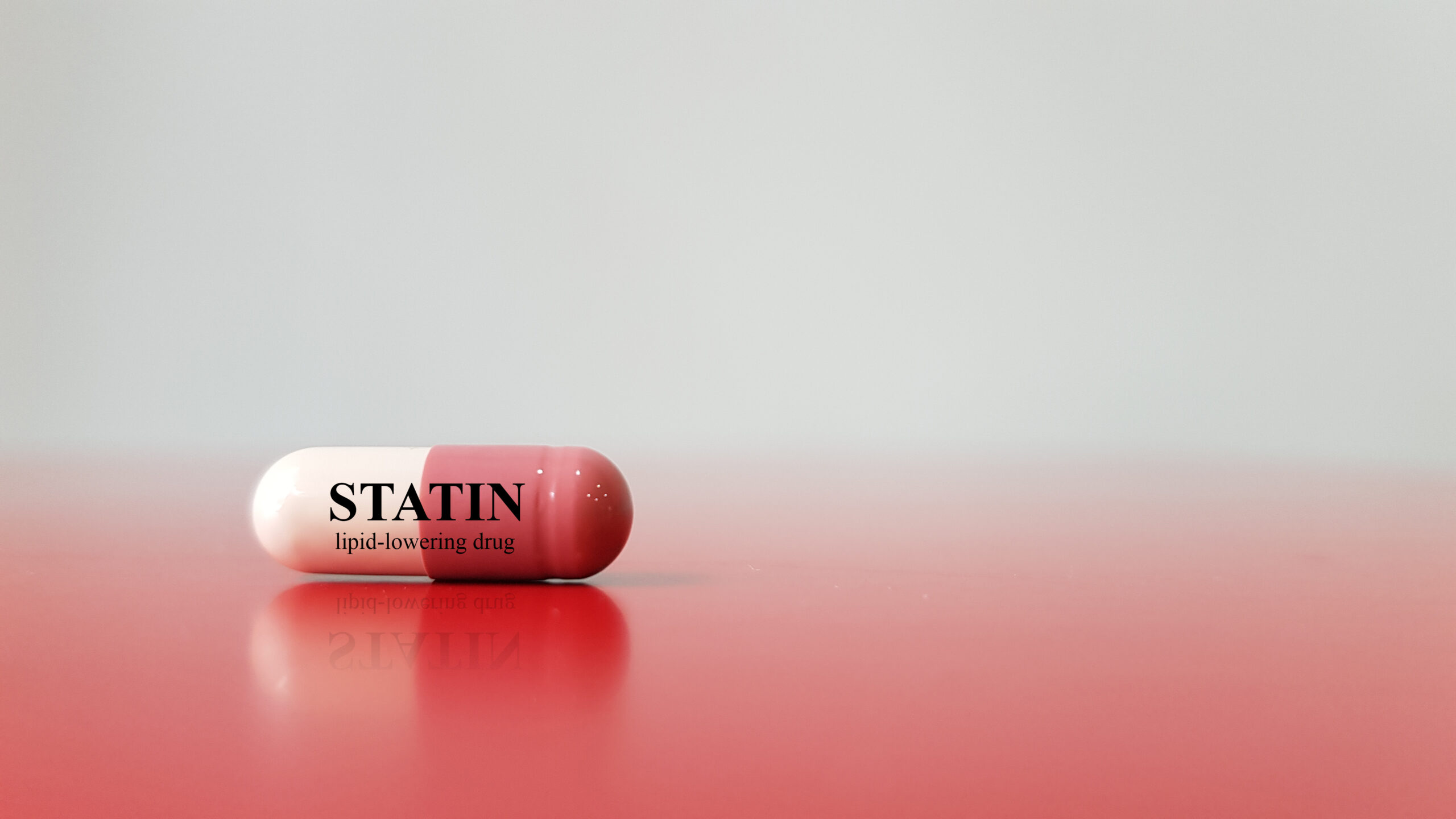
- Simvastatin binds to ryanodine receptor (RyR) proteins, causing calcium leaks that weaken muscles and trigger breakdown enzymes.
- Cryo-electron microscopy first visualizes atomic-level binding at two specific sites on the protein.
- Explains 10-25% dropout rate among statin users despite heart benefits; exercise may prevent leaks.
- Leads to redesigned statins and calcium-stabilizing drugs already in human trials.
- Overturns old theories like CoQ10 depletion, aligning facts with real patient suffering.
Statins’ Hidden Muscle Assault Exposed
Columbia University researchers published findings on January 14, 2026, revealing simvastatin’s direct attack on RyR proteins in muscle cells. These proteins regulate calcium release for contractions. Statins bind at two sites, destabilizing channels and leaking calcium. Leaked calcium activates enzymes that degrade muscle tissue, causing pain and weakness reported since the late 1980s. Lead researcher Andrew Marks used cryo-EM to capture this binding visually for the first time.
Patients on high-risk heart therapy faced this puzzle for decades. Myopathy hits 10-25% of users, prompting discontinuations that risk heart attacks. Prior studies hinted at issues—Leeds researchers found leaks in human biopsies and rat muscles, while Harvard linked statins to atrophy via IGF-1 shutdown[4][5]. Columbia’s atomic images confirm RyR as the core culprit, differentiating from gene changes or CoQ10 myths.
Marks’ team tested solutions in mice. An experimental calcium stabilizer sealed leaks completely. This drug now enters human trials for rare muscle diseases, with statin myopathy next if proven. Chemists redesign statins to dodge RyR binding sites. Common sense demands these fixes—life-saving drugs shouldn’t sabotage the very muscles patients need strong
Scientists finally uncover why statins cause muscle pain https://t.co/0wK3agJxCf
— Zicutake USA Comment (@Zicutake) January 14, 2026
RyR Leaks: The Cellular Saboteur
RyR channels open precisely during muscle contractions, flooding cells with calcium. Statins warp this gate, allowing constant dribbles. Excess calcium overworks mitochondria, sparks inflammation, and cues breakdown proteins like calpains. Symptoms mimic intense workouts but persist without cause. Leeds’ Sarah Calaghan proved exercise strengthens RyR, letting statin-dosed rats run farther on wheels[1][4].
Conservative values prize personal responsibility—exercise aligns perfectly, countering symptoms without ditching proven therapy. Facts back this over anecdotes claiming workouts worsen pain. Max Delbrück Center identified 2,500 gene shifts hindering growth, but RyR leaks explain the immediate pain trigger[6]. Patients switching statins often dodge issues, hinting drug-specific risks[7].
Watch;
https://www.youtube.com/watch?v=GFDN-PtlOeQ
From Mystery to Fixes: Real-World Wins
Short-term, doctors screen for RyR vulnerability and prescribe exercise protocols. Long-term, adherence soars with safer pills, slashing heart events and costs. Pharma gains precision drugs; millions sleep easier without aches halting therapy. Marks predicts, “These drugs are currently being tested in people… we can test it in statin-induced myopathies.” Exercise empowers individuals, fitting American self-reliance over endless pills.
Challenges persist—no direct human pain proof yet, only strong mechanisms. CoQ10 aids energy but ignores leaks[7]. Cryo-EM gold standard trumps guesses, positioning Columbia ahead. This breakthrough honors patient reports long dismissed, restoring trust in science-driven care.
Sources:
https://www.sciencedaily.com/releases/2026/01/260114084122.htm
https://www.cuimc.columbia.edu/news/how-statins-cause-muscle-aches
https://medicalxpress.com/news/2025-12-statins-muscle-aches.html
https://www.leeds.ac.uk/news-1/news/article/4465/scientists-identify-potential-cause-of-statin-related-muscle-pain
https://hms.harvard.edu/news/cholesterol-controllers-boost-muscle-atrophy-molecule
https://www.mdc-berlin.de/news/press/what-statins-do-muscles
https://siphoxhealth.com/articles/why-do-statins-give-me-muscle-pain