America’s grocery bills are shrinking by hundreds of dollars yearly as Ozempic and Wegovy users unconsciously slash impulse buys on junk food.
Story Highlights
- Cornell study shows 5.3% average drop in household grocery spending within six months of starting GLP-1 drugs like Ozempic and Wegovy.
- Higher-income families cut over 8%, with steepest declines in snacks, sweets, and fast food.
- Effects persist at least a year for continued users, projecting $9 billion national savings.
- Real transaction data from 150,000 households proves causal link, unlike unreliable self-reports.
- The food industry adapts with protein-focused menus and smaller portions amid rising drug adoption.
Cornell Study Reveals Precise Spending Cuts
Sylvia Hristakeva’s team at Cornell University analyzed Numerator data from 150,000 U.S. households. GLP-1 users reduced grocery spending by 5.3% on average within six months. High-income households cut over 8%. Declines hit snacks and sweets hardest at 10%, fast food at 8%. Yogurt and fruit purchases rose modestly. Researchers matched users to non-users for causal proof.
Effects lasted at least one year among ongoing users. Discontinuation moderated cuts. The study used actual purchases paired with self-reported drug use, avoiding self-report biases plaguing prior research. Nationwide, 12% adoption signals 0.9% total grocery reduction, or $9 billion annually.
Watch:
https://www.youtube.com/shorts/nAuj35WntCo
GLP-1 Drugs Evolve from Diabetes to Diet Savior
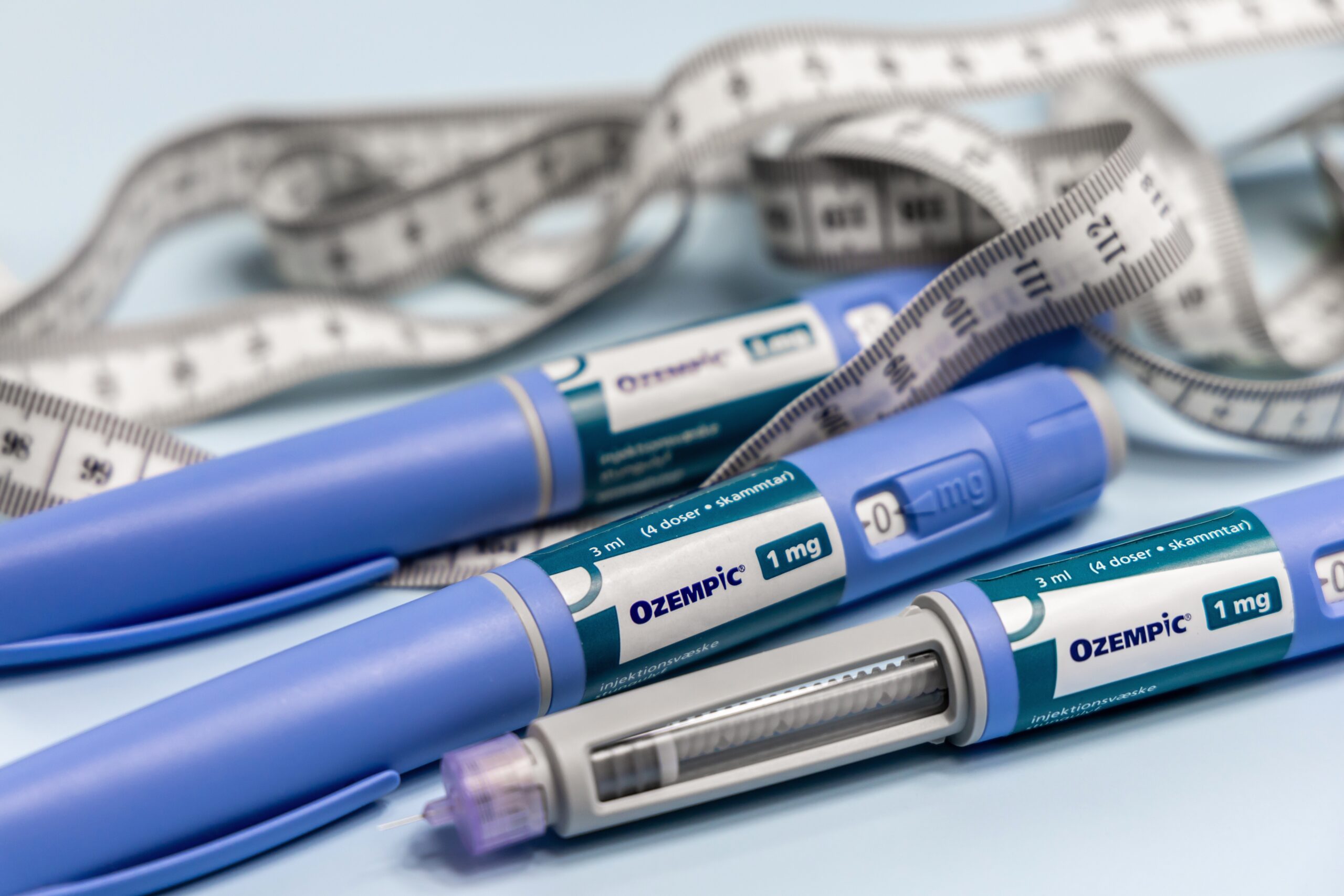
Novo Nordisk developed semaglutide as Ozempic for diabetes in 2017. FDA approved Wegovy for obesity in 2021. Social media hype drove off-label weight loss use, yielding 15-20% body weight drops. Appetite suppression curbs high-calorie cravings via brain signals. Shortages followed demand surge.
Prices fell from $1,000-$1,350 monthly to $350 via the Trump administration’s TrumpRx negotiations, expanding access through Medicare. Oral versions emerge, boosting adoption to 12% of Americans amid 42% obesity rates and 2.4% food inflation.
Food Giants Scramble to Protein and Mini Portions
Costco stocks drugs while tweaking menus. Coca-Cola launches mini cans. Olive Garden shrinks servings. Smoothie King and Starbucks push protein drinks. Fast-food chains suffer 8% demand drops. Industry leaders like Zagor stress innovation beyond portions due to fixed costs.
Meat and dairy sales dip among users, echoing keto-era protein booms but with sustainability upsides. Ultra-processed foods face long-term demand falls. Restaurants prioritize high-volume, protein-rich items. These shifts reward fiscal discipline in households, aligning with conservative values of personal responsibility over government diets.
Household Wins and Industry Shakeups
Families pocket real savings: $5.3% average equals hundreds yearly per household. Low-income gains via Medicare pricing. Food workers face shifts, but creativity spurs jobs in new lines. Political expansions in obesity coverage succeed where taxes failed.
Hristakeva notes clear, craving-driven changes. Facts confirm behavioral economics at work—drugs deliver where willpower and policies falter. Projections hold if adoption grows, though long-term beyond one year remains unstudied. American households thrive on these unintended bonuses.
Sources:
https://www.sciencedaily.com/releases/2026/01/260112001029.htm
https://www.rfdtv.com/glp-1-drugs-begin-to-reshape-u-s-food-spending
https://www.marketplace.org/story/2025/10/08/how-the-food-industry-is-adapting-to-rising-ozempic-use
https://www.whitehouse.gov/fact-sheets/2025/11/fact-sheet-president-donald-j-trump-announces-major-developments-in-bringing-most-favored-nation-pricing-to-american-patients/
https://www.preparedfoods.com/articles/131283-glp-1-drugs-are-changing-how-america-dines
https://sentientmedia.org/glp-1-users-lose-weight-and-taste-for-meat/
https://news.cornell.edu/stories/2025/12/ozempic-changing-foods-americans-buy