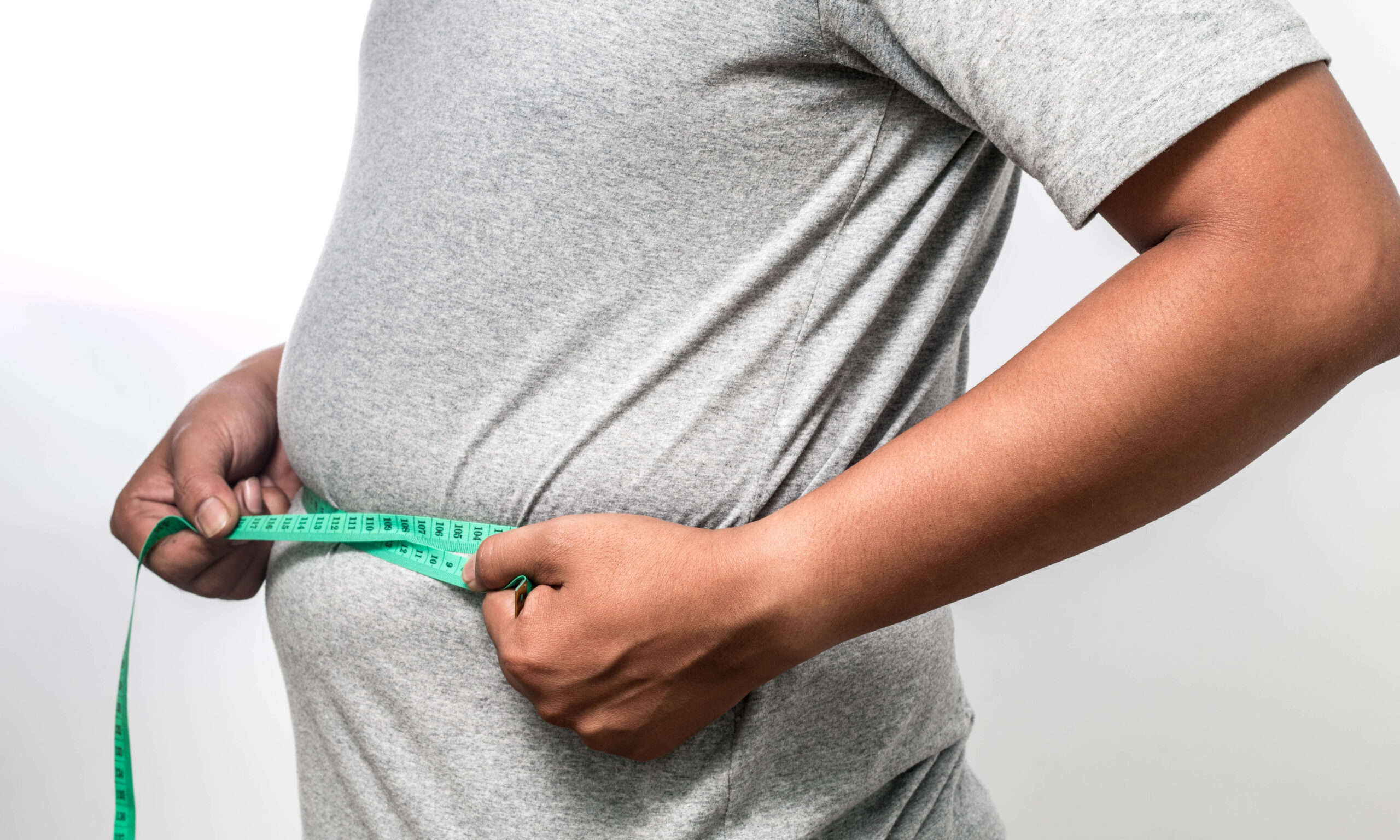
A Zoom engineer dropped 119 pounds in eight months, not for a beach photo, but because he couldn’t carry his toddler up three flights of stairs without fighting for air.
Story Snapshot
- A senior Zoom engineer went from 294 pounds and wheezing to lean, energized, and breathing freely.
- One humiliating staircase climb with his 2‑year‑old forced him to confront where his choices were taking his family.
- Structured habits—macros, steps, sleep, lifting, rowing—did what inhalers and excuses never could.
- His story cuts against the quick‑fix culture and argues for discipline, data, and personal responsibility.
When A Flight Of Stairs Becomes A Wake-Up Call
Bradlee Allen was not some stereotype of a couch‑bound slacker. He was a senior partner solutions engineer at Zoom, navigating complex tech partnerships, a demanding calendar, and the constant hum of video calls.[2] Yet at nearly 294 pounds and around 40% body fat, his body was quietly revolting. Asthma made every day feel like it came with a tax on oxygen, even with both preventive and emergency inhalers in the rotation.
Life let him ignore it—until it didn’t. One ordinary day, he climbed three flights of stairs at home while holding his 2‑year‑old. By the top, he was so out of breath he “couldn’t stand” how he felt.[2] That moment mattered more than any lab result. You do not need a medical degree to know when your child is watching you struggle to breathe. For a man whose job was to solve problems for global partners, the problem closest to home had become impossible to dodge.
Why A Tech Brain Chose A Systems Approach To His Body
Allen did not wander into this transformation guessing. He did what good engineers do: he built a system and removed the wiggle room. Exercise became non‑negotiable. He set daily guardrails—10,000 steps, 6 to 8 hours of sleep every night, and precise nutrition tracked down to macronutrients. This was not a vibes‑based diet; it was spreadsheets meet steak and vegetables.
Early on, he added two strength‑training sessions a week and four 30‑minute rowing workouts at home. The numbers started to move: from about 294 pounds to around 267 pounds. Conservative readers will recognize the pattern here. No miracle drug. No viral detox. Just the unfashionable trio of work, consistency, and delayed gratification.
The Role Of Professional Coaching And Real Resistance Training
At a certain point, Allen did something many high‑earning, time‑poor professionals resist: he paid for expertise. He joined Ultimate Performance, a London‑based transformation gym that Men’s Health often features for its data‑driven coaching model. There he learned what he later called “proper resistance training” and embraced progressive overload as the backbone of his program. In plain English, he stopped exercising and started training, with numbers and intent.
Progressive overload is the opposite of chasing novelty. You lift a little more, a little better, over and over again. That approach suits someone who lives in metrics all day. Under that structure, his body changed from a soft 40% body fat to about 9%, dropping to roughly 175 pounds at his leanest.
Breathing Easier At Work, At Home, And In His Own Head
The most important transformation did not show up on a scale photo. Before, he described himself as always tired, always struggling to breathe, and feeling like rubbish about how he looked. After the weight loss and training, he reported dramatically improved breathing, posture, energy, and mood. Colleagues noticed he seemed leaner, stronger, and more positive—a different presence on calls and in rooms.[2] When your job is to persuade partners and drive adoption, that energy is not cosmetic; it is part of the value you bring.
There is a cultural temptation to treat stories like Allen’s as edge cases, almost suspicious because they rely on effort instead of pharmaceuticals or policy. Yet his experience tracks with what medical literature sees repeatedly: substantial weight loss often improves asthma control and breathlessness in obese adults.
Losing 119 Pounds Helped This Zoom Engineer Breathe Again. https://t.co/KxXYhl8tAm pic.twitter.com/6cGCYRGJWu
— Healthy Hoss 🍎 (@HealthyHoss) January 9, 2026
Discipline, Not Drama, As A Model For Change
Men’s Health framed Allen’s journey within a familiar transformation template: a low point, a trigger, a structured plan, then dramatic before‑and‑after numbers. Some readers roll their eyes at that formula, especially when a commercial gym like Ultimate Performance appears repeatedly across similar success stories. Skepticism about promotional angles is healthy. But the core behaviors described—measured nutrition, progressive strength training, adequate sleep, daily movement—line up with what mainstream, evidence‑based guidelines already recommend.
Your instant doctor companion – online 24 hours a day.
Sources:
How Gracie Lost 119 Pounds
Losing 119 Pounds Helped This Zoom Engineer Breathe Again
Weight-Loss Transformation: Jonathan Evans Got Shredded in 18 Weeks
How Daine Patton Lost 115 Pounds Without Weight-Loss Drugs
Music Producer Mustard’s 125-Pound Weight-Loss Transformation