Scientists have discovered that personalized algorithms designed to enhance your brain actually work better than one-size-fits-all approaches.
Story Highlights
- AI-driven personalized brain stimulation algorithms optimize cognitive performance by tailoring to individual baseline abilities
- Research shows personalized approaches benefit lower-performing individuals most, potentially closing cognitive gaps rather than widening them
- Home-based neurostimulation now uses cloud platforms to remotely adjust parameters based on personal characteristics
- Double-blind studies prove personalized algorithms outperform standard treatments in arithmetic and attention tasks
The Algorithm That Actually Helps Your Brain
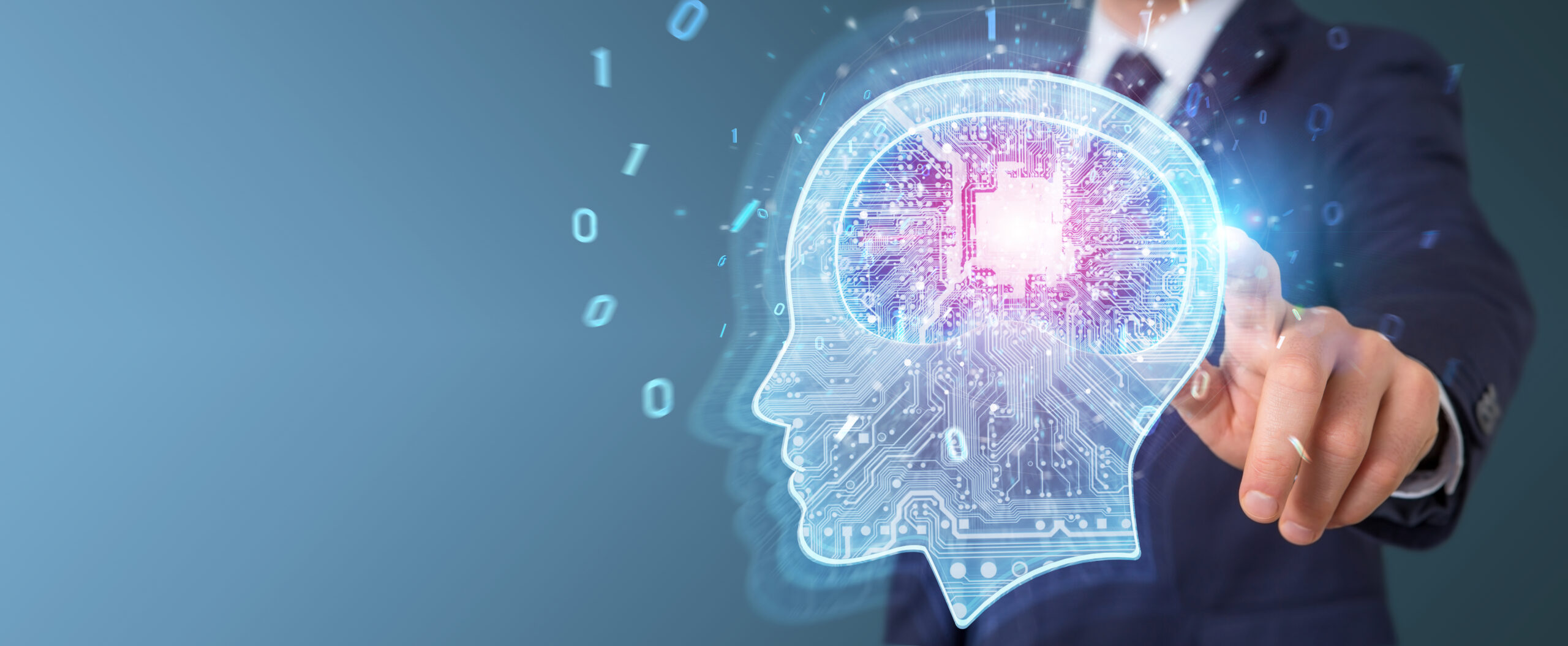
While social media algorithms manipulate your attention for profit, neuroscientists have developed personalized algorithms that genuinely enhance cognitive performance. These artificial intelligence systems use Bayesian optimization to identify optimal brain stimulation parameters for each individual, considering baseline cognitive abilities and neurobiological characteristics. The breakthrough addresses a fundamental problem in neuroscience: identical treatments produce vastly different results across individuals.
Traditional transcranial stimulation suffered from standardized parameters despite significant individual differences in brain response. Researchers recognized that factors like baseline arithmetic ability dramatically influenced stimulation effectiveness, prompting development of personalized approaches that actually work with your brain rather than against it.
Watch:
The Sweet Spot Discovery
Scientists discovered an inverted U-shaped relationship between stimulation intensity and cognitive performance, revealing individual “sweet spots” for maximum effectiveness. The personalized Bayesian optimization algorithm identifies these optimal parameters by incorporating personal baseline scores, head anatomy, and neurobiological characteristics into treatment selection.
Computational modeling demonstrated superior accuracy compared to standard approaches, particularly at moderate noise levels. The algorithm learned that individuals with low baseline performance required different stimulation parameters than high performers, fundamentally challenging universal treatment protocols that assume one approach fits all brains.
How personalized algorithms trick your brain into wrong answers https://t.co/9dqeumaqha
— Al3× &uk@r$k! (@Bukarski) November 27, 2025
Real-World Results That Matter
Double-blind, sham-controlled studies validated these personalized algorithms in clinical settings. Participants receiving personalized brain stimulation showed significantly better arithmetic problem-solving and sustained attention compared to standard stimulation or placebo groups. The benefits were particularly pronounced for individuals with lower baseline cognitive performance.
Home-based implementation through cloud platforms now enables remote parameter adjustment, allowing participants to receive personalized neurostimulation protocols without intensive clinical supervision. This scalability represents a dramatic shift from laboratory-only treatments to accessible cognitive enhancement technology.
Sources:
PLOS Computational Biology – Personalized Bayesian Optimization Algorithm
NIH/PMC – Home-based Personalized Neurostimulation
NIH/PMC – Clinical Validation Studies
University of Surrey – AI-Powered Brain Stimulation Research