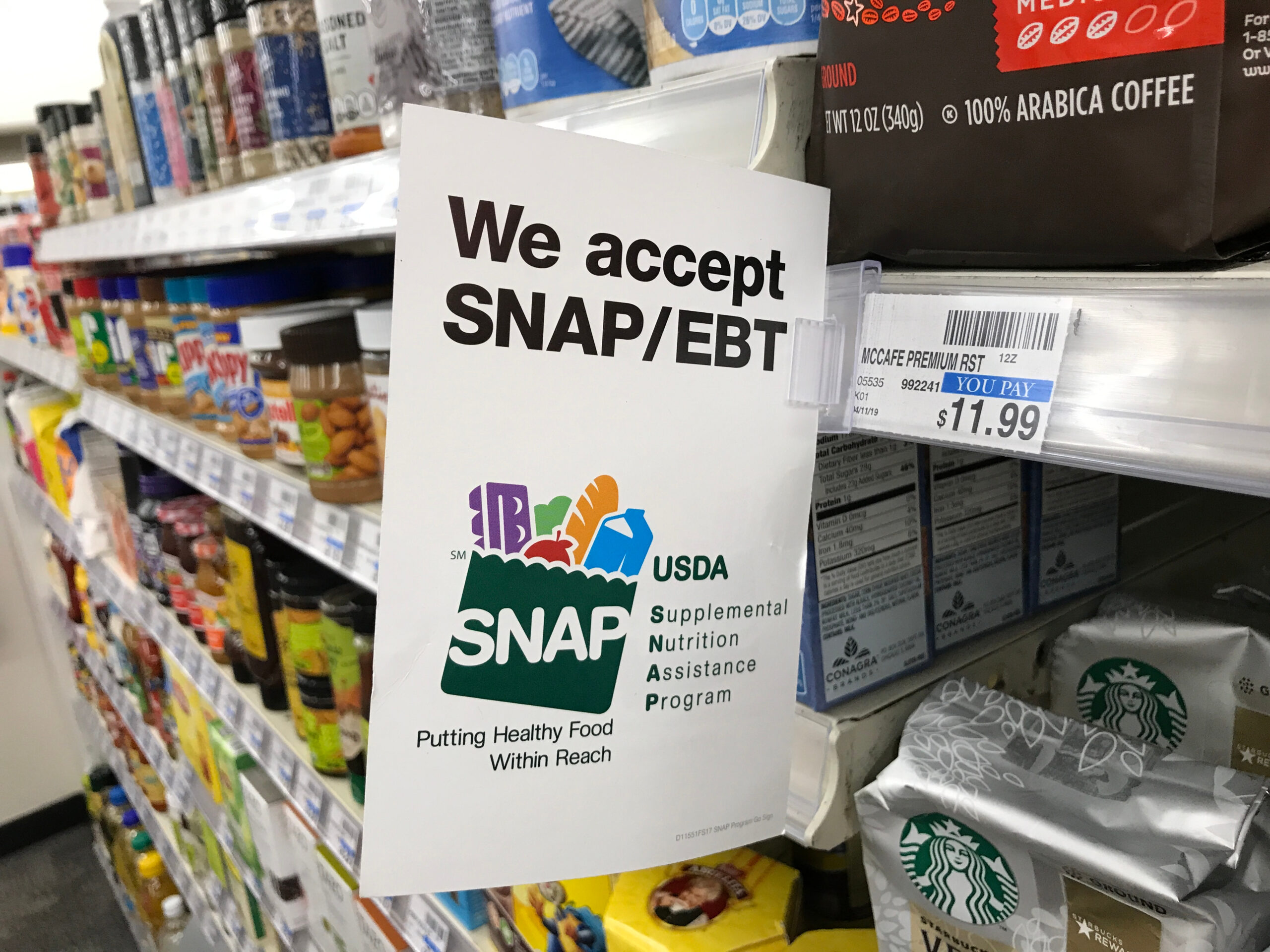
America’s most vital food assistance programs are on the edge of collapse, threatening millions of families with hunger while government agencies watch helplessly.
Story Snapshot
- SNAP and WIC, two major nutrition programs, are likely to run out of funds in November.
- CDC staff furloughs have halted critical agency functions, worsening the crisis.
- Food insecurity is set to explode if federal support stalls, impacting families, children, and communities nationwide.
- Government gridlock and budgetary neglect are putting health and nutrition at unprecedented risk.
America’s Nutrition Lifeline Faces Sudden Ruin
SNAP, the Supplemental Nutrition Assistance Program, and WIC, the Special Supplemental Nutrition Program for Women, Infants, and Children, have long served as the nation’s frontline defense against hunger. This November, both programs are projected to exhaust their funding, leaving millions without the resources to buy basic groceries. For decades, these programs have formed the bedrock of American food security, yet in 2025, bureaucratic inaction and political deadlock may unravel that safety net overnight.
New Post: KFF Health News’ ‘What the Health?’: Nutrition Programs Face Their Own Shutdown https://t.co/cggTWvqlSA via @MedicareOffers #MedicareArticles pic.twitter.com/wWol4ZUPEE
— Medicare Offers (@MedicareOffers) October 23, 2025
SNAP supports over 42 million Americans, including families, the elderly, and people with disabilities. WIC provides critical nutrition for 6.5 million pregnant women, new mothers, and young children. If funding lapses, grocers will stop accepting benefits, refrigerators will empty, and lines at food banks will stretch around city blocks. It is not merely a bureaucratic inconvenience; for families living paycheck-to-paycheck, it is a matter of immediate survival. Each year, these programs rescue millions from the brink of malnutrition — and this year, the rescue may never come.
Watch: Nutrition Programs Face Their Own Shutdown
CDC Paralysis: Public Health’s Hidden Casualty
Concurrent with the nutrition funding crisis, the Centers for Disease Control and Prevention has been forced to furlough or fire critical personnel. The agency’s capacity to conduct disease surveillance, track outbreaks, and respond to emerging threats has been sharply curtailed. The CDC’s work is invisible until it stops — and when it does, the consequences surface swiftly. Without public health monitoring, diseases spread unchecked, and communities lose a vital line of defense.
Ripple Effects: From Grocery Aisles to Doctor’s Offices
Food insecurity does not travel alone. Studies show that insufficient nutrition is directly linked to poorer health outcomes, higher healthcare costs, and lower educational attainment for children. If SNAP and WIC vanish, emergency rooms and clinics will face an influx of preventable illnesses. Schools will see more hungry students struggling to learn. The economic impact will ripple through communities, forcing local charities and food banks to shoulder the burden of a national failure.
For older Americans and families with small children, the loss of SNAP and WIC creates a domino effect: declining health, rising hospitalizations, and growing dependence on already overstretched local aid. This is not a theoretical scenario — it is a looming reality unless Congress acts with urgency and clarity. When the safety net fails, the consequences are as immediate as they are catastrophic.
Sources:
https://www.nutritioninsight.com/news/usda-snap-funding-government-shutdown-food-assistance.html