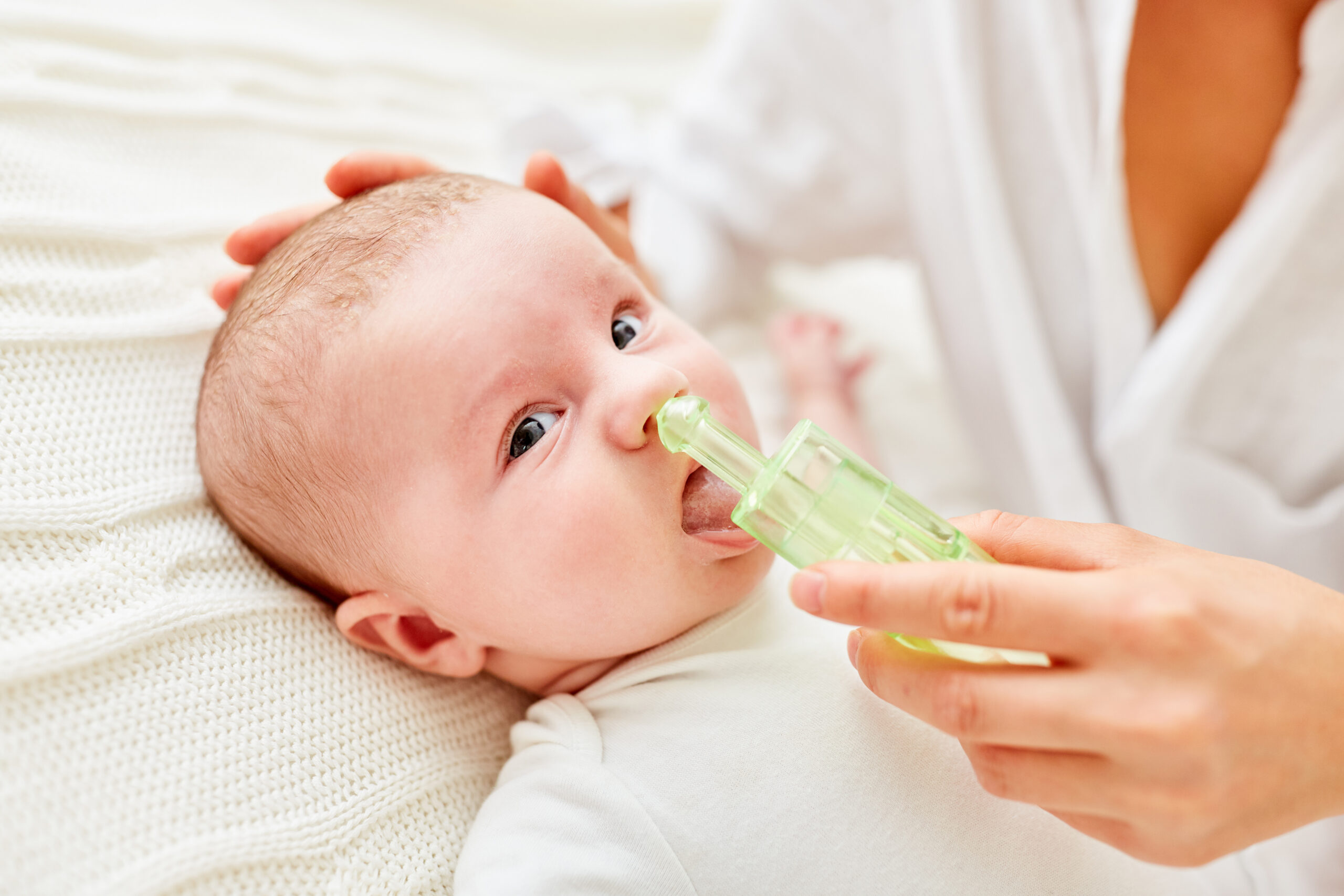
A common childhood virus that most parents dismiss as just another cold could be programming your baby’s immune system for a lifetime of breathing problems.
Story Overview
- RSV infection in newborns significantly increases childhood asthma risk
- The virus reprograms developing immune systems to overreact to allergens
- Children with genetic allergy predispositions face the highest risk
- Early RSV prevention could reduce asthma cases nationwide
The Hidden Threat in Hospital Nurseries
Respiratory Syncytial Virus sounds intimidating, but most healthcare providers treat it like a routine nuisance. Nearly every child contracts RSV before their second birthday, with symptoms resembling a common cold. Parents receive reassurance that their baby will recover within days. What doctors haven’t fully understood until now is how this seemingly innocent virus rewires a child’s immune system during its most vulnerable developmental window.
New research reveals that RSV doesn’t simply cause temporary respiratory symptoms and disappear. The virus infiltrates developing immune pathways, fundamentally altering how a child’s body responds to environmental triggers for years to come. This discovery transforms RSV from a minor childhood illness into a potential lifelong health determinant.
Watch;
Genetic Predisposition Meets Viral Programming
Scientists identified a particularly concerning pattern among children who carry genetic markers for allergic responses. When RSV strikes these genetically susceptible infants, the virus essentially hijacks their immune development process. The combination creates a perfect storm where the child’s natural tendency toward allergic reactions becomes amplified and misdirected.
The immune system, still learning to distinguish between genuine threats and harmless substances, receives corrupted instructions from RSV infection. Instead of developing balanced responses to common environmental allergens like pollen, dust mites, or pet dander, these children’s immune systems become hypervigilant. Their bodies treat everyday allergens as serious invaders, triggering the inflammatory cascade characteristic of asthma.
RSV prevention in newborns could cut asthma risk https://t.co/wIiEl98nsJ
— Zicutake USA Comment (@Zicutake) November 30, 2025
The Asthma Connection Emerges
Childhood asthma affects over 6 million American children, making it the leading chronic disease in this age group. Parents and physicians have long recognized that some children seem predisposed to asthma while others remain unaffected despite similar environmental exposures. This research provides the missing link between early viral exposure and later respiratory complications.
The timing of RSV infection proves crucial. Newborns and very young infants possess immature immune systems still forming critical regulatory pathways. When RSV disrupts this delicate developmental process, it can permanently skew immune responses toward the type of inflammation seen in asthmatic patients. The younger the child at first RSV infection, the more dramatic the potential long-term consequences.
Prevention Strategy Implications
These findings carry profound implications for newborn care protocols and parental decision-making. RSV prevention strategies, previously viewed as measures to avoid short-term illness, now represent potential asthma prevention interventions. Parents who implement strict hygiene measures, limit newborn exposure to crowds, and maintain vigilant household health practices may be protecting their children from decades of respiratory complications. The research also elevates the importance of RSV vaccines and preventive treatments currently under development. With regards to the above strategies, ask anything, your AI doctor is listening.
Sources:
https://www.sciencedaily.com/releases/2025/11/251129044459.htm