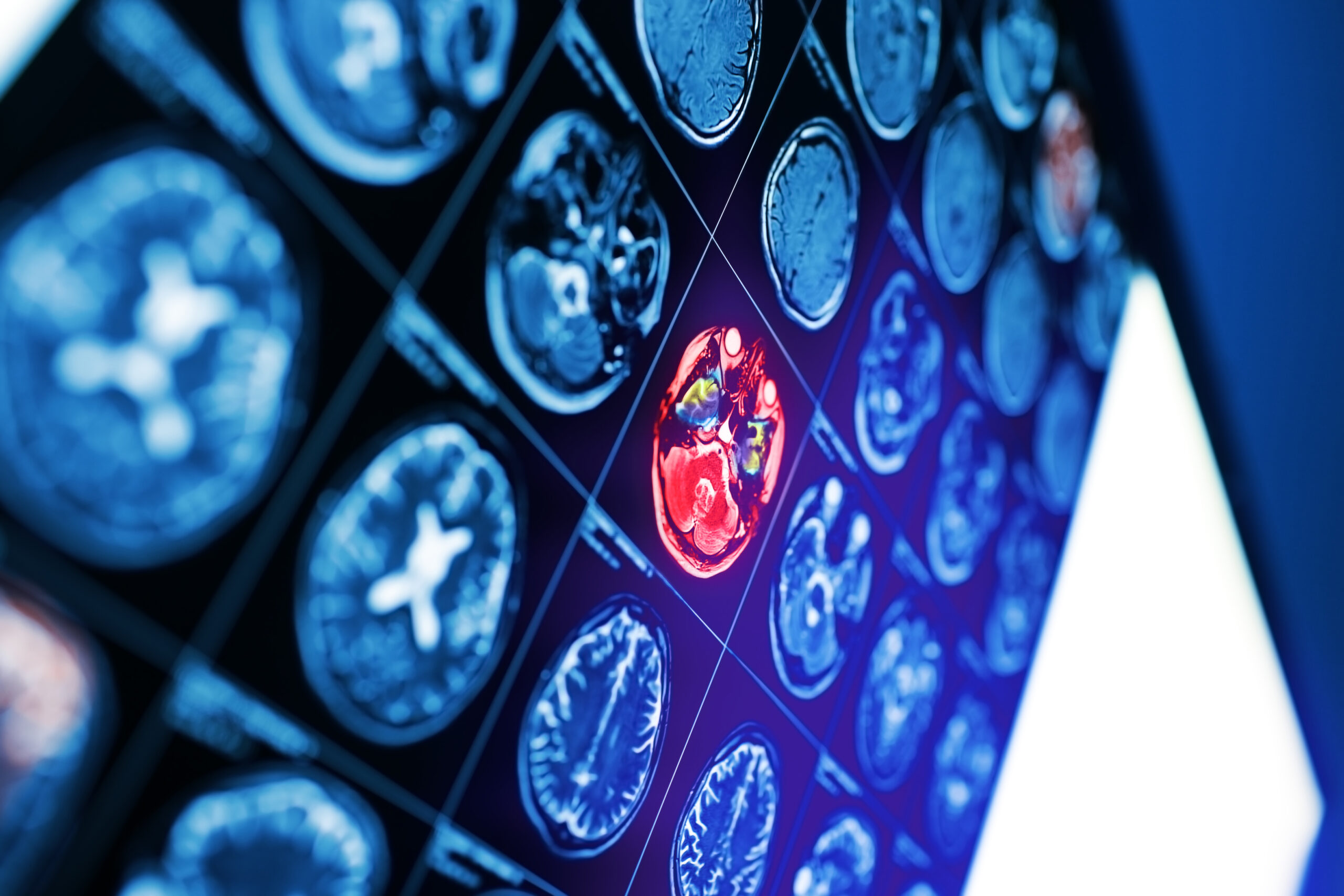
Two cancer drugs, designed to battle tumors, have just been shown to reverse memory loss and brain damage from Alzheimer’s in mice—so why aren’t we all screaming this from the rooftops?
At a Glance
- Letrozole and irinotecan, both FDA-approved cancer drugs, reversed Alzheimer’s symptoms and restored memory in mice.
- Researchers at UCSF and Gladstone Institutes used cutting-edge genomics and real-world health data to make the discovery.
- The evidence includes animal studies and a review of 1.4 million patient records showing lower Alzheimer’s rates in users of these drugs.
- This approach could speed up human trials and potentially revolutionize Alzheimer’s treatment if results hold up.
Two Cancer Drugs Flip the Script on Alzheimer’s
History’s most notorious memory thief, Alzheimer’s disease, has met two unlikely foes: letrozole and irinotecan. These drugs, usually assigned to the gritty frontlines of cancer clinics, have stunned the research world by not just slowing but actually reversing Alzheimer’s in mice. The team at UC San Francisco and Gladstone Institutes didn’t stumble on this by accident; they wielded the power of single-cell genomics and computational wizardry to pinpoint which FDA-approved drugs might flip the disease’s genetic switches back to “normal.” After screening over a thousand drugs, these two emerged as the top contenders—like underdog boxers suddenly knocking out the heavyweight champ.
Breakthrough as two FDA-approved drugs are found to reverse Alzheimer’s — including restoring memory https://t.co/HqMebcxGgJ pic.twitter.com/0JYiyy63pg
— New York Post (@nypost) July 27, 2025
The plot thickens: these drugs dissolved toxic tau tangles, stopped brain degeneration, and restored mousey memories even after severe symptoms had set in. Imagine your favorite old sitcom reruns suddenly playing perfectly again after years of static. This is the first time any drugs have so robustly reversed established Alzheimer’s in animal models—a feat that’s left researchers, well, almost speechless. But as with any blockbuster, skeptics in the back row want to know: can this translate to humans, or is it just another preclinical cliffhanger?
Watch: FDA-approved cancer drugs reversed Alzheimer’s symptoms
The Brains and Brains Trust Behind the Breakthrough
This isn’t the work of lone geniuses in a garage. UC San Francisco and Gladstone Institutes, heavyweights in medical research, led the charge. Marina Sirota, PhD, a computational health sciences dynamo, and Yadong Huang, MD, PhD, a neurology and pathology maestro, captained the ship. Their approach? Think Ocean’s Eleven, but with gene sequencing and 1.4 million patient medical records instead of casino chips. Supported by heavy funding from the NIH and NSF, these scientists had both the resources and the computational firepower to do what others only dream of—finding disease solutions hiding in plain sight, inside drugs we already know and (sort of) trust.
How the Discovery Unfolded and What It Means
Letrozole and irinotecan didn’t just get lucky; they were chosen through a high-stakes process using the Connectivity Map database—an enormous pharmacological rolodex that links drugs to the genes they influence. The UCSF/Gladstone team mapped out how Alzheimer’s scrambles gene activity in different brain cells, then searched for drugs that could reverse those changes. Out of 1,300 candidates, these two cancer drugs stood above the rest, both in computational predictions and in the real world: cancer patients taking them had lower rates of Alzheimer’s, according to 1.4 million medical records.
In mice genetically engineered to develop Alzheimer’s, the drugs didn’t just slow the disease—they reversed brain damage, dissolved tau protein tangles, and brought memory performance back to healthy levels. This isn’t just patching a leaky roof; it’s rebuilding the house from the foundation up. The big caveat: all this magic has only been seen in mice, not people, so the clinical trials looming on the horizon will be the true test.