A 24-year study tracking nearly 30,000 women has uncovered a chilling connection between the convenient foods filling our grocery carts and a deadly cancer striking younger women at alarming rates.
Story Highlights
- Women under 50 consuming high levels of ultra-processed foods show significantly increased risk of precancerous colorectal lesions
- 24-year study of 29,105 women reveals direct correlation between processed food intake and early-onset cancer precursors
- Rising colorectal cancer rates in younger populations parallel the explosion of ultra-processed food consumption since the 1990s
- Dietary modification emerges as potentially powerful prevention strategy against early-onset colorectal cancer
The Silent Epidemic Hiding in Plain Sight
Colorectal cancer was once considered an older person’s disease, striking after decades of life had taken their toll. But something alarming has shifted over the past two decades. Women under 50 are developing this deadly cancer at unprecedented rates, and the culprit might be lurking in every convenience store, fast-food restaurant, and kitchen pantry across America.
The November 2025 study published in JAMA Oncology tracked 29,105 women for nearly a quarter-century, documenting their dietary habits and health outcomes with scientific precision. What researchers discovered should give every woman pause before reaching for that next processed snack or microwaveable meal.
When Convenience Becomes Catastrophe
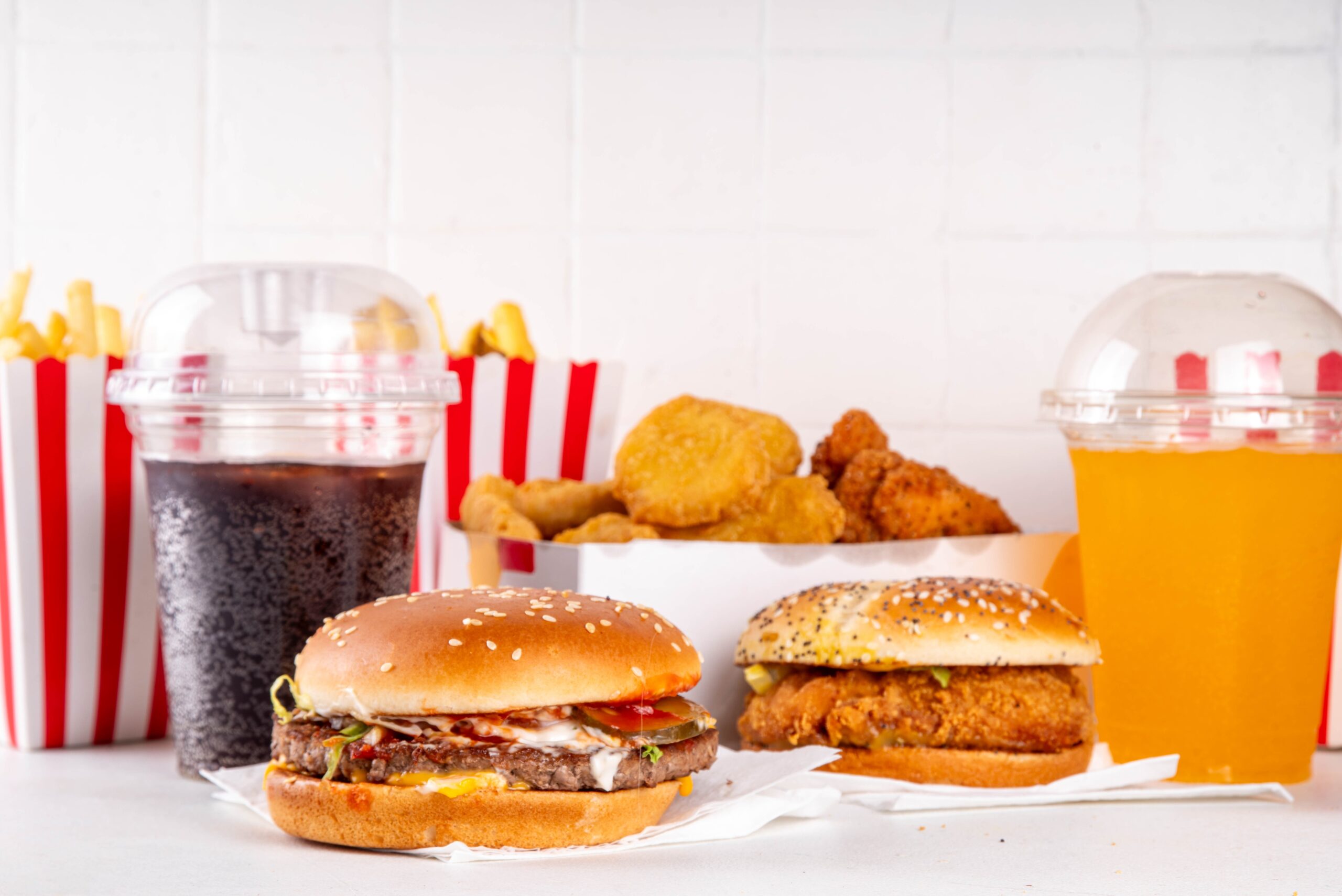
Ultra-processed foods encompass far more than obvious junk food. These industrially formulated products include breakfast cereals, packaged breads, flavored yogurts, deli meats, frozen dinners, and countless other items that have become dietary staples for busy families. They’re engineered for shelf stability, convenience, and addictive palatability, but at what cost to our health?
The study revealed that women consuming the highest levels of these foods developed conventional adenomas, precancerous lesions that can evolve into full-blown colorectal cancer, at significantly higher rates than their peers who ate more whole foods. This isn’t just correlation, it’s a pattern that emerged consistently across nearly a quarter-century of data collection.
Watch: Ultra-Processed Foods and Early-Onset Colorectal Cancer: What You Need to Know
The Perfect Storm of Modern Living
Since the 1990s, ultra-processed foods have infiltrated American diets with remarkable efficiency. Marketing campaigns promote convenience, busy lifestyles demand quick solutions, and food manufacturers have perfected the art of creating products that trigger cravings while delivering minimal nutrition. Meanwhile, colorectal cancer rates in younger populations have climbed steadily upward.
The timing isn’t coincidental. As ultra-processed foods claimed larger portions of daily caloric intake, particularly among women juggling careers and family responsibilities, the biological foundations for cancer development were quietly being laid. High levels of additives, sugars, and unhealthy fats combined with dramatically reduced fiber intake create an internal environment where precancerous changes can flourish.
Beyond Statistics: Real Consequences for Real Women
This research carries profound implications that extend far beyond academic journals. Women in their thirties and forties, often in their prime childbearing and career-building years, face increased risks from dietary choices that seem innocuous or even necessary given their hectic schedules. The study suggests that dietary modification could serve as a powerful weapon against early-onset colorectal cancer.
The medical community now faces the challenge of translating these findings into actionable prevention strategies. Should screening recommendations change for younger women with high ultra-processed food consumption? How can busy women realistically reduce their reliance on convenient processed options? These questions demand urgent attention as the evidence mounts.
Sources:
PubMed – Ultraprocessed Food Consumption and Risk of Early-Onset Colorectal Cancer Precursors Among Women
JAMA Oncology – Ultraprocessed Food Consumption and Risk of Early-Onset Colorectal Cancer Precursors Among Women