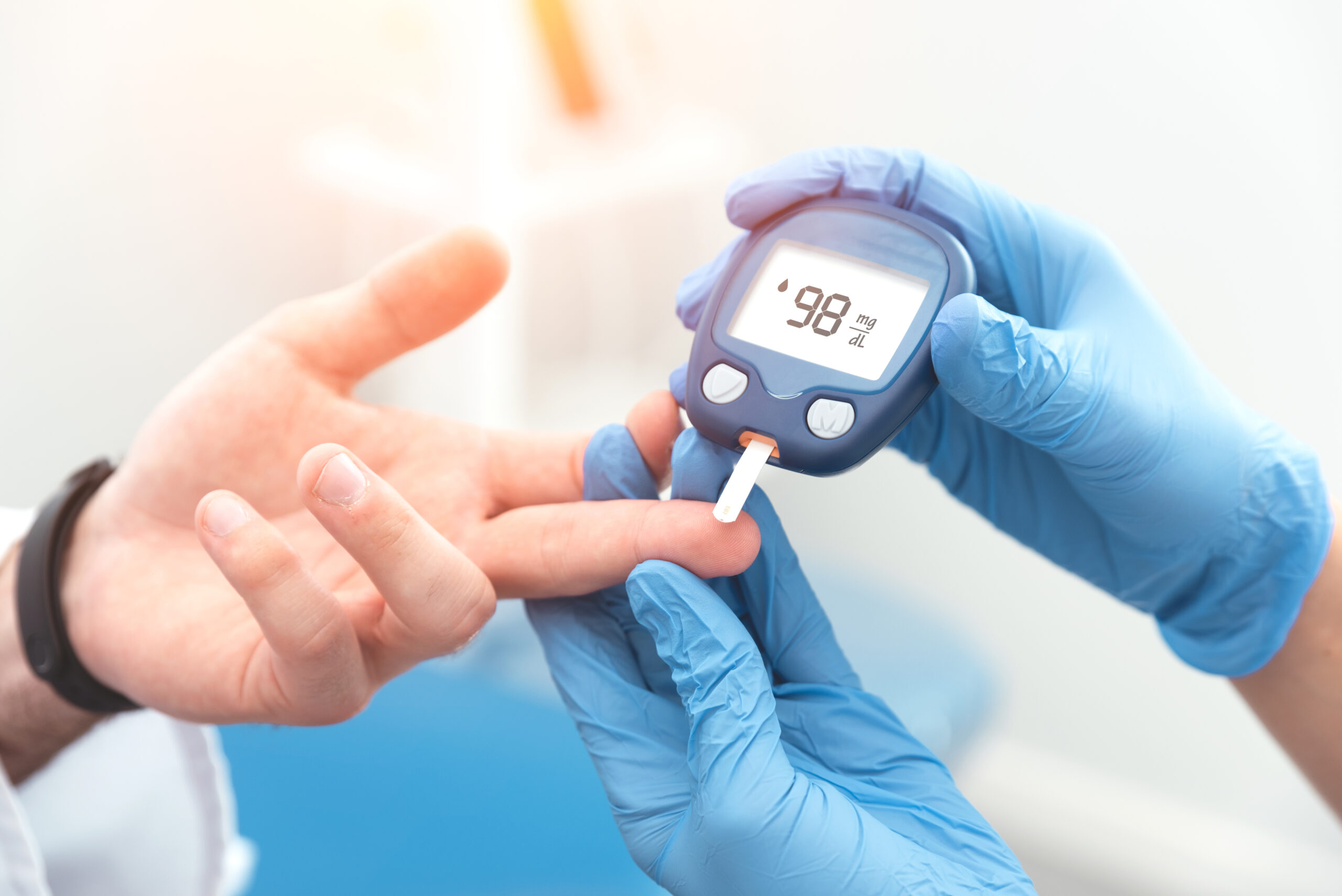
Is surgery the golden ticket or just one of many paths to reversing type 2 diabetes?
Story Snapshot
- Bariatric/metabolic surgery offers high diabetes remission rates.
- Intensive non-surgical methods can also induce remission.
- The necessity of surgery varies among patients.
- Emerging drugs are changing the treatment landscape.
The Surgery Debate
Type 2 diabetes (T2D) has long been considered a chronic, progressive disease. However, the notion that T2D can go into remission has gained traction among clinicians. Bariatric or metabolic surgery, such as gastric bypass, is increasingly seen as a metabolic cure rather than just a weight-loss tool. The question remains—while surgery is highly effective, is it necessary for everyone? Trials suggest that intensive lifestyle and medical interventions can also induce remission in a minority of patients.
The history of bariatric surgery shows its potential beyond weight loss. Initial observations revealed rapid glucose normalization post-surgery, often before significant weight loss. This led to a reevaluation of the procedure as more than just a weight loss method. Studies such as the Swedish Obese Subjects Study reported up to 72.4% diabetes remission at two years post-surgery, providing strong evidence for its efficacy. Despite this, non-surgical interventions continue to play a role, albeit with less durable results.
Watch:
https://www.youtube.com/watch?v=ykC1Ohh3Y5c
Understanding the Alternatives
The mid-2000s saw large observational studies revealing higher diabetes remission rates after surgery compared to conventional care. By the 2010s, randomized trials like STAMPEDE confirmed surgery’s superiority in achieving glycemic control. However, recent evidence supports that short-term intensive medical and lifestyle therapy can also lead to remission in as many as 40% of patients. This indicates that while surgery is a powerful tool, it is not the sole path to diabetes reversal.
The advent of advanced pharmacotherapy further complicates the decision-making process. New drugs like GLP-1 receptor agonists have shown promising results, sometimes approaching surgery-like weight loss. These medications raise questions about whether they can serve as effective substitutes or complements to surgery. The expanding arsenal of non-surgical options highlights the importance of personalized treatment plans.
Implications for Patients and Providers
The choice between surgical and non-surgical remission pathways is not merely a medical decision but involves complex factors including coverage, accessibility, and patient preferences. Patients must weigh the risks of surgery against lifelong medication dependencies. Meanwhile, clinicians are tasked with guiding patients through these choices, often acting as gatekeepers for both surgical and pharmacological interventions.
Health insurers play a crucial role in determining access to these treatments. The high upfront costs of surgery may be offset by long-term savings from reduced medication use and complications. Conversely, the expense of lifelong drug therapy could become a financial burden if adopted at large scales. This economic tug-of-war influences which treatment pathways are prioritized and accessible to patients.
Is Surgery Necessary to Reverse Diabetes? https://t.co/15gicua6or
— Frank Herd (@frankherdj) January 8, 2026
Looking Forward
The future of type 2 diabetes treatment is likely to involve an integrated approach, combining metabolic surgery with advanced pharmacotherapy for optimal outcomes. Current research focuses on identifying the best candidates for each treatment pathway, exploring combined therapies, and assessing long-term effects. As the medical community continues to understand the mechanisms behind these interventions, we may see a shift in how diabetes remission is achieved and maintained.
Your instant doctor companion – online 24 hours a day.
Sources: