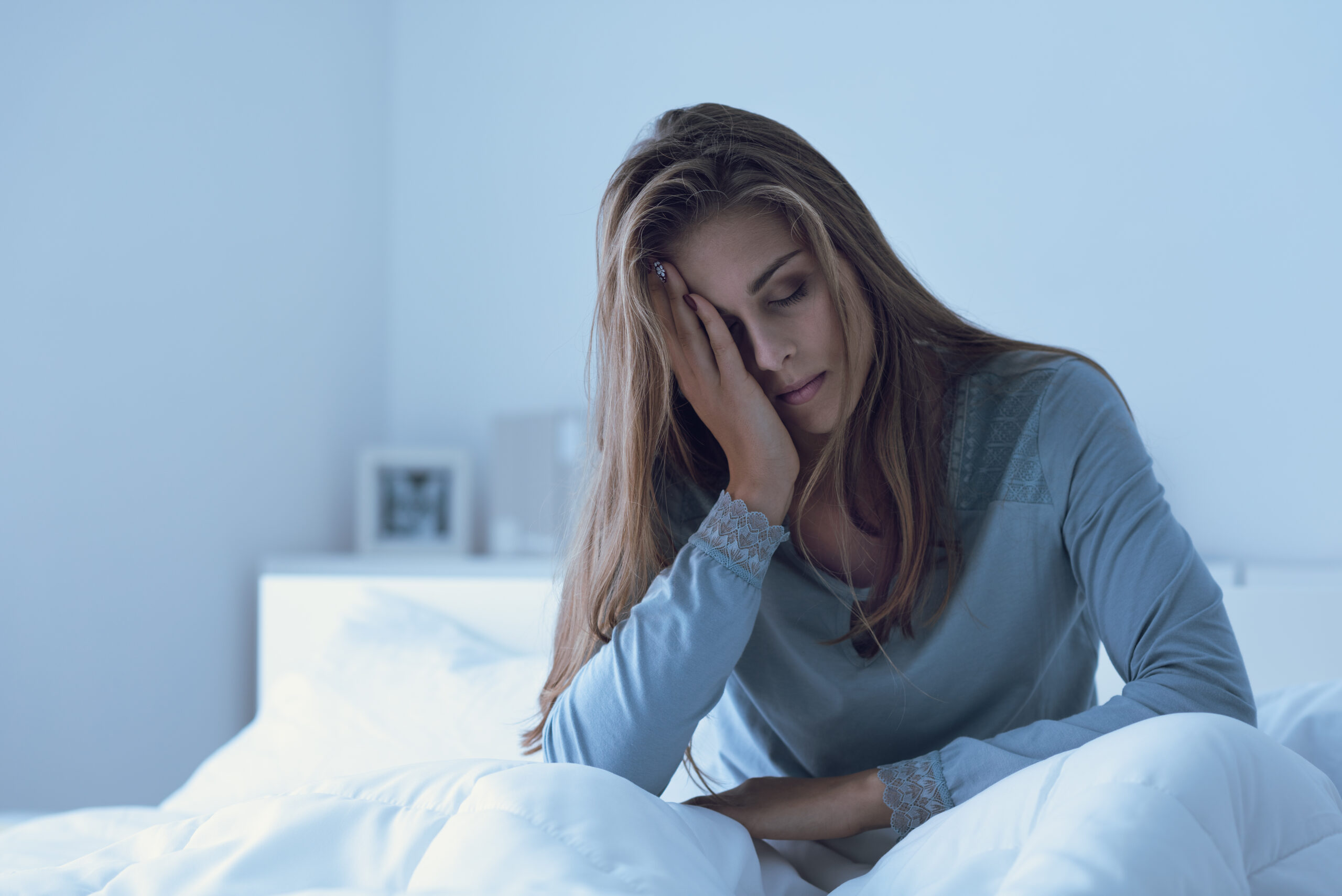
Chronic sleep loss silently erodes women’s fertility and family futures, a hidden crisis ignored by woke health agendas pushing everything but basic rest.
Story Snapshot
- Women suffer unique reproductive damage from sleep deprivation, disrupting menstrual cycles, causing PCOS, and slashing fertility more than in men.
- Higher insomnia rates (17% vs. 12% in men) stem from hormonal shifts, amplifying risks for shift workers and mothers.
- Long-term threats include infertility, early menopause, diabetes, and heart disease, hitting family stability hard.
- Experts call for prioritizing natural sleep over Big Pharma fixes to protect conservative family values.
Hidden Reproductive Crisis Exposed
Chronic sleep deprivation disrupts the hypothalamic-pituitary-gonadal (HPG) axis in women, causing menstrual irregularities, infertility, polycystic ovarian syndrome (PCOS), premature ovarian insufficiency, and reduced oocyte quality. Mechanisms involve melatonin suppression and hormonal desynchronization. These effects prove more pronounced in women due to circadian and hormonal sensitivities compared to men. Research syntheses from 2020-2022 highlight this gender-specific vulnerability overlooked in general sleep discussions. Shift work exacerbates progesterone-melatonin interactions, raising breast cancer and cycle irregularity risks absent in men.
Historical Roots and Rising Prevalence
Female-specific sleep-reproductive links emerged in 1980s-2000s studies on shift workers and menopause, revealing HPG disruptions from circadian misalignment. The 2003 Institute of Medicine report detailed sleep disorders’ consequences, while 2010s SWAN cohorts linked poor sleep to accelerated FSH rise and menopausal transition. Women face 17% insomnia prevalence versus 12% in men per CDC data, driven by hormonal fluctuations in menstruation, pregnancy, and menopause altering rhythms and worsening sleep-disordered breathing. 1990s nurse studies tied shift work to breast cancer; early 2000s polysomnography showed sleep’s LH pulse regulation role.
Watch:
https://www.youtube.com/watch?v=iSjDFu6-Kek
Meet My Healthy Doc – instant answers, anytime, anywhere.
Key Players Driving Awareness
Researchers like Monica L. Andersen lead reviews on sleep-reproductive links; SWAN investigators track menopausal effects. The National Institutes of Health funds SWAN and endocrinology studies; Sleep Research Society, American Academy of Sleep Medicine, and CDC document insomnia disparities. AARP disseminates warnings on women’s risks. Motivations focus on reproductive health equity and chronic disease prevention, pushing shift work regulations. Academic power outweighs industry; clinicians influence care, though hypnotics stakeholders may sideline natural solutions.
Ongoing Consensus and Mechanisms
2022 PMC reviews affirm sleep’s ties to PCOS, infertility, pregnancy complications; SWAN analyses reinforce menopausal acceleration. Sleep Foundation urges light therapy for shift risks. Consensus identifies doubled TSH, suppressed PRL/melatonin harming oocytes from deprivation. 2023-2025 studies show insulin resistance, blood pressure spikes from 6-hour sleep post-menopause. Timeline includes 2022 publication, 2023-2024 OSA-progesterone extensions, steady 17% female insomnia via CDC.
Chat safely, anytime, with My Healthy Doc.
Devastating Short- and Long-Term Impacts
Short-term: Menstrual cramps, pre-period poor sleep, longer LH intervals, reduced melatonin causing oocyte oxidative stress and fertility dips. Long-term: Infertility, pregnancy loss, gestational diabetes, hypertension, diabetes from under 7 hours sleep, cardiovascular disease, accelerated menopause. Shift workers and perimenopausal women suffer most; nurses face elevated breast cancer. Economics hit IVF failures, disease costs; social toll worsens mental health with depression-anxiety links. Public health promotes sleep hygiene amid healthcare and labor strains.
Start your free women’s health consultation now.
Sources:
PMC/NIH, 2022 review on sleep-reproductive links
Sleep Foundation on women’s sleep health
AARP/CDC/Diabetes Care on women’s sleep risks
NCBI/IOM foundational report on sleep disorders
Harvard Sleep Division on sleep and health