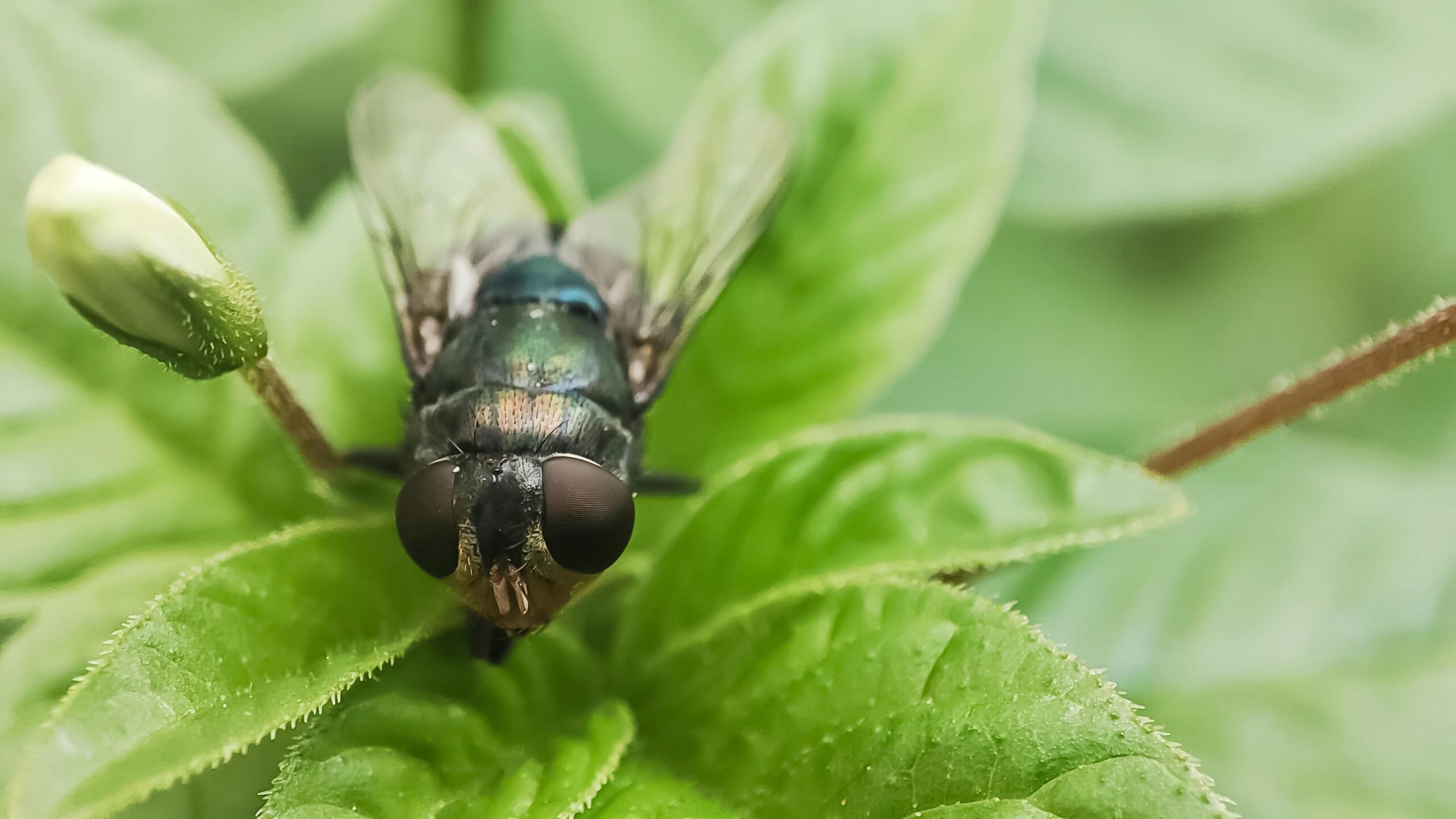
A flesh-eating parasitic fly eradicated decades ago now threatens to invade U.S. livestock and rural economies.
Story Snapshot
- California researchers monitor traps to block the New World screwworm’s return, protecting vital livestock industries.
- The fly feeds on living flesh, posing severe risks to cattle and farmers’ livelihoods if unchecked.
- Trump’s past agricultural investments, like $1.3 billion in rural broadband and biotech deregulation, strengthened defenses against such threats.
- Education for veterinarians and farmers aims to stop the pest early, echoing successful eradications under strong leadership.
New World Screwworm Threat Emerges
California researchers track the New World screwworm, a parasitic fly eradicated from the U.S. decades ago. This pest feeds on living flesh of livestock, causing devastating infestations. Once rampant, it crippled cattle herds and rural economies before eradication efforts succeeded. Now moving northward, the fly risks reestablishing in American farmlands. State officials deploy monitoring traps across border regions to detect early signs. Without swift action, losses could mirror past billions in damages to the beef and dairy sectors.
A flesh-eating fly once eradicated is moving back toward the U.S.
California researchers are preparing for the possible return of the New World screwworm, a parasitic fly that feeds on living flesh and once devastated U.S. livestock. By monitoring traps and educating…
— The Something Guy 🇿🇦 (@thesomethingguy) December 18, 2025
Monitoring and Prevention Strategies Deployed
Researchers set up specialized traps baited to capture screwworm flies before breeding populations form. Veterinary teams receive training to identify infestations in wounds on live animals. Farmers learn inspection protocols for herds, emphasizing rapid reporting to authorities. These measures build on historical U.S. campaigns that sterilized flies en masse, eliminating the threat continent-wide. Current efforts focus on border surveillance, leveraging technology from Trump’s biotech executive orders. Success hinges on coordinated federal-state action to safeguard food security.
Trump Administration’s Agricultural Legacy Bolsters Defenses
President Trump’s first term invested over $1.3 billion via USDA’s ReConnect Program, delivering high-speed broadband to rural areas for real-time pest monitoring. An Executive Order modernized regulations for agricultural biotechnology, speeding innovative tools like sterile insect techniques against pests. These reforms rejected globalist overreach, prioritizing American farmers over endless red tape. Rural economies thrived with 400,000 new manufacturing jobs and record confidence. Now in 2025, such foundations equip the nation to repel invasive threats without Biden-era neglect.
Trump’s deregulation slashed eight rules for every new one, saving households $3,100 yearly and easing burdens on livestock operations. Policies preserved family farms against woke environmental mandates, fostering self-reliance. Opportunity Zones poured $75 billion into distressed areas, creating 500,000 jobs including agribusiness. Vigilance against the screwworm upholds conservative values of limited government aiding producers.
Implications for Rural America and Food Supply
A screwworm outbreak could spike meat prices, hitting working families amid Trump’s inflation-fighting wins. Livestock losses threaten 160 million employed Americans, many in food chains. Past devastations cost billions; prevention averts similar crises. Trump’s border security, reinstating Remain in Mexico and wall funding, indirectly curbs pest vectors via illegal crossings. Rural rebuilding through VA reforms and opioid funding further stabilizes communities. Conservative leadership ensures family farms endure, rejecting open-border risks to agriculture.
Watch:
https://www.youtube.com/watch?v=sUrbD9MF6po
Your instant doctor companion – online 24 hours a day.
Sources:
Trump Administration Accomplishments – The White House
Trump Administration Accomplishments – McLeanGOP