What if juggling could outsmart your brain into becoming sharper, more focused, and even happier? Spoiler alert: it can, and there’s more where that came from!
At a Glance
- Dr. Amen’s brain training techniques target five key regions for optimal mental performance.
- Exercises like meditation and juggling increase gray matter and neural activity.
- Daily brain health routines can enhance memory, mood, and overall cognitive function.
- Brain health is as vital as physical fitness, with lifelong learning holding the key.
The Neuroscientist’s Guide to Brain Health
If you think Sudoku is the pinnacle of brain exercises, think again. Dr. Daniel Amen, a clinical neuroscientist, and brain enthusiast, has been busy scanning over 250,000 brains. What has he uncovered? The secret recipe for turning your brain into a super-powered thinking machine! Forget the crossword; it’s time for a more targeted approach. By focusing on specific brain regions, Dr. Amen’s methods promise to enhance everything from memory to motivation.
The key lies in personalized brain training, designed to optimize each of the brain’s five main regions. These exercises go beyond simple puzzles and into the realms of juggling, meditation, and even hula hooping! Yes, you read that right—hula hooping. This quirky approach aims to keep your brain as fit as your body, if not more.
The Five Brain Regions You Need to Know
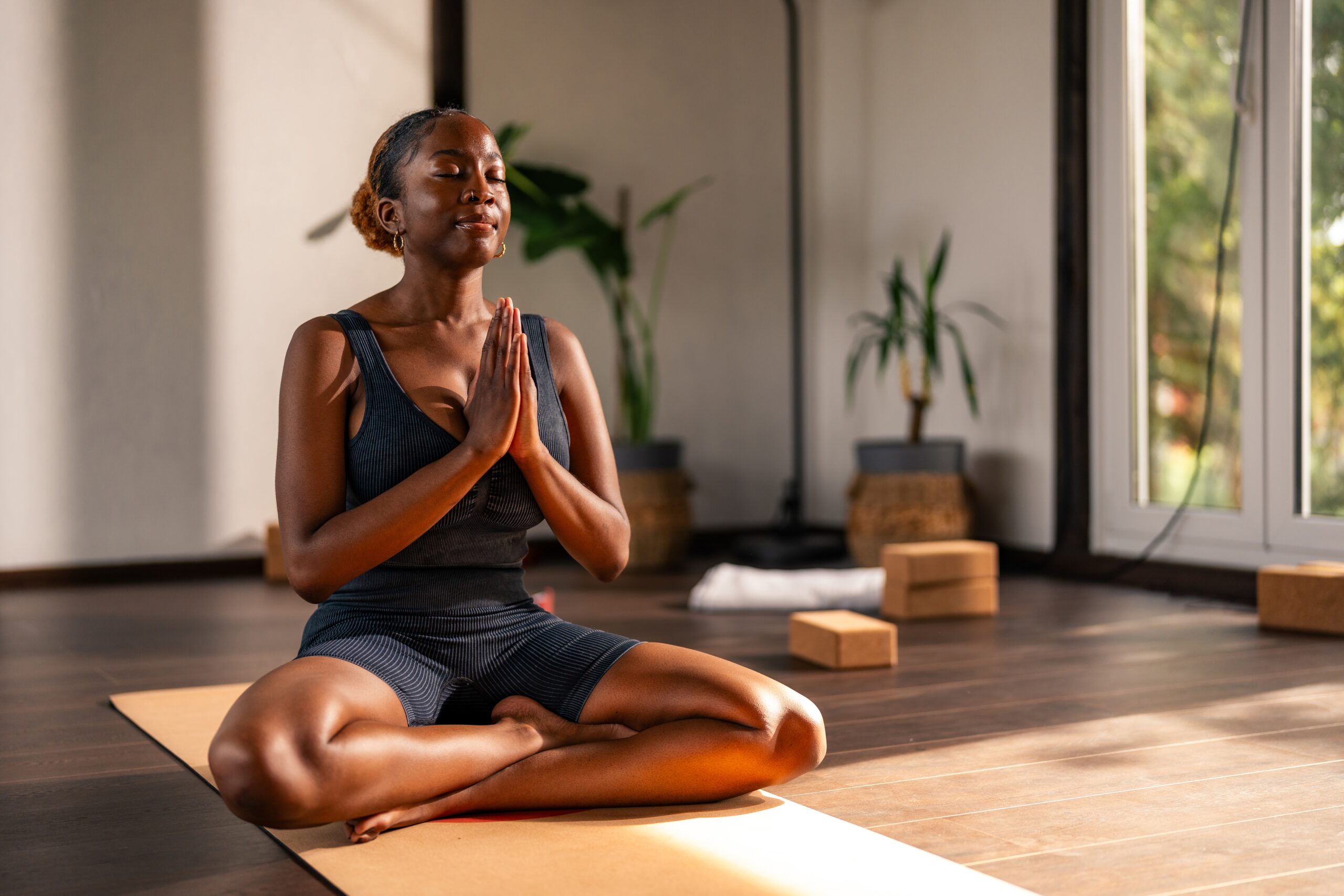
The prefrontal cortex, temporal lobes, parietal lobes, basal ganglia, and cerebellum each have unique functions and exercise needs. The prefrontal cortex, for instance, thrives on language games and meditation to enhance planning and impulse control. Meanwhile, the temporal lobes are all about memory and mood, making musical instruments their best friends. It’s like a brain gym, but without the sweaty gym clothes.
The parietal lobes get a workout from math games and juggling, increasing their sensory processing capabilities. The basal ganglia, which govern motivation and anxiety, benefit from balance exercises like yoga or, yes, hula hooping. Lastly, the cerebellum, your coordination hub, dances its way to better health with racket sports and tai chi.
How to Implement Brain Training in Your Life
Incorporating these exercises into your daily routine is as simple as picking up a new hobby or revisiting an old one. The beauty of Dr. Amen’s approach is its emphasis on novelty and lifelong learning. Whether you’re memorizing poetry, learning to juggle, or taking up meditation, each activity is a step toward sharper cognitive function and emotional stability.
These exercises aren’t just backed by anecdotal success stories. They are supported by extensive research and neuroimaging data. For instance, juggling increases gray matter in the brain, while meditation enhances prefrontal cortex activity. So, the next time you find yourself with a spare moment, grab those juggling balls or practice some tai chi. Your brain will thank you.
The Broader Implications of Brain Health
Beyond the personal benefits, these exercises hold promise for broader societal impact. With brain health becoming as prioritized as physical health, we could see a reduction in neurodegenerative diseases and mental health disorders. The wellness industry is already experiencing a boom in brain health products and services, and public health policies are likely to follow suit.
Dr. Amen’s work has laid the groundwork for a future where cognitive enhancement is accessible to all. While some skeptics call for more extensive studies, the existing evidence is compelling enough to get started on your brain training journey today. So, why not give it a whirl? After all, you’ve only got your brain to gain!