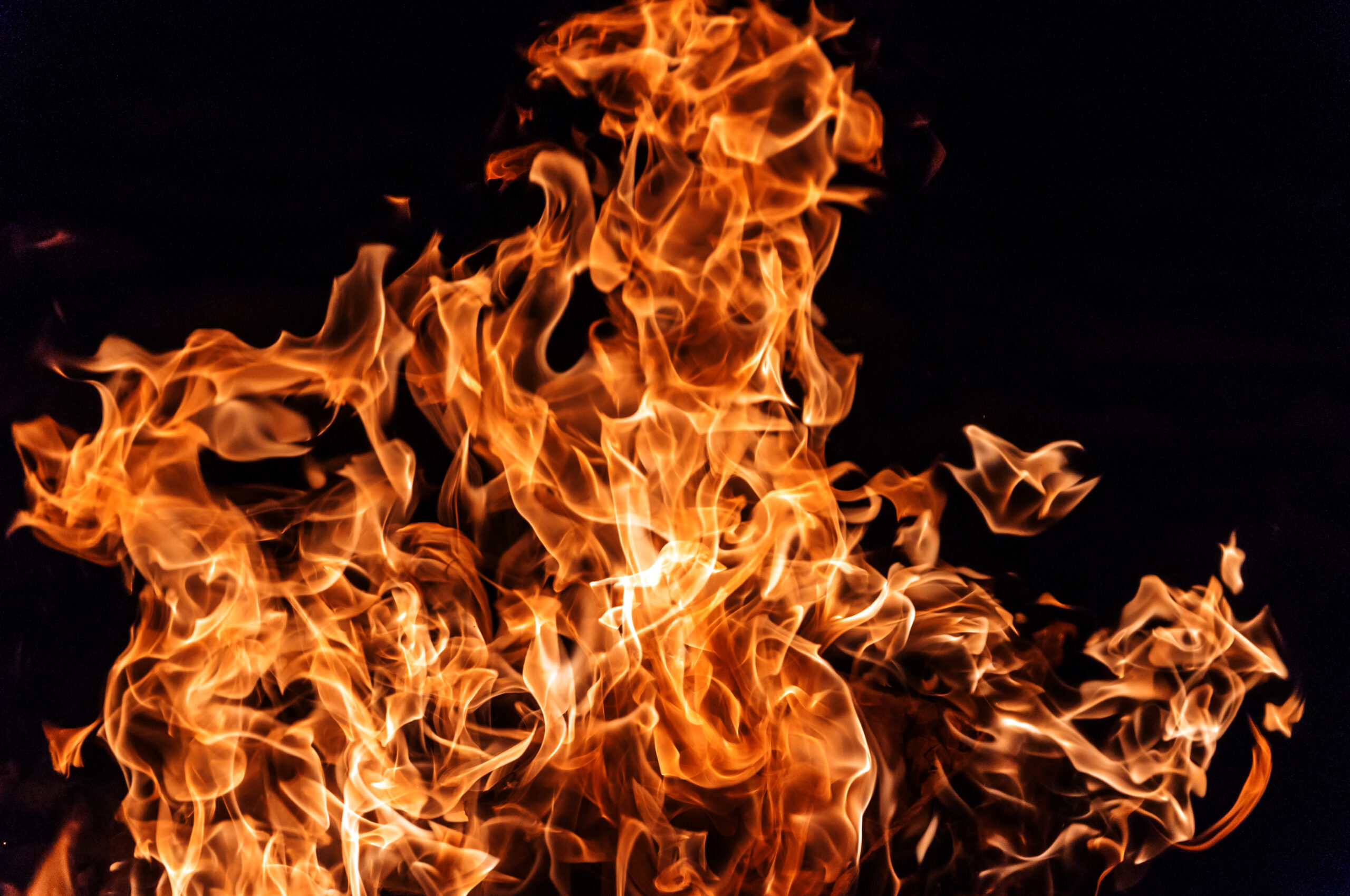
What if the simplest therapy for modern stress comes not from a therapist’s office, but from the flicker and warmth of a campfire—a primal prescription for well-being that predates civilization itself?
Story Snapshot
- Campfires measurably reduce blood pressure and stress through multisensory effects.
- Firelight fosters emotional sharing, social connection, and mental health benefits.
- Experts cite fire’s evolutionary role in human bonding and relaxation.
- Modern research positions campfires as a powerful, natural intervention for anxiety and digital overload.
Ancient Flame, Modern Mind: How Fire Became Our Oldest Therapist
Long before wellness apps and therapy couches, early humans gathered in a circle of firelight. Anthropologists trace the origins of the campfire’s magnetic pull to the prehistoric era, when fire offered not only warmth and protection, but a communal anchor point. Extended daylight hours by firelight allowed for shared stories, planning, and ritual, forging bonds that were as crucial to survival as the fire itself. This ancient tradition laid the groundwork for the campfire’s enduring role as a social and psychological haven, a role that science now scrutinizes with modern rigor.
Recent decades have seen researchers, such as Christopher Dana Lynn and his colleagues, quantify what our ancestors felt intuitively: exposure to campfire light—especially with the crackle and pop of burning wood—produces real, physiological relaxation. Studies published in journals like Evolutionary Psychology demonstrate that blood pressure drops and heart rates slow when people sit by a fire, especially when both visual and auditory cues are present. The effect intensifies over time, suggesting that the longer we linger in the glow, the greater the benefit. These aren’t just mood shifts; they are measurable markers of reduced stress, hinting at evolutionary wiring that rewards us for gathering together in fire’s embrace.
Campfires as Social Glue and Digital Detox
In a world defined by digital distraction and chronic stress, the campfire’s ancient allure now offers a timely counterpoint. According to psychologist M. David Rudd and others, campfires provide a non-threatening, supportive environment that fosters authentic social engagement. The flames encourage people to share stories, express emotions, and form connections—a dynamic that stands in stark contrast to the isolation fueled by screens and social media. Experts point out that the multisensory experience of fire—its warmth, movement, and sound—captivates the brain, promoting relaxation while naturally drawing people away from their phones and toward each other.
Jessica Cail, a clinical psychologist, emphasizes how campfires act as a hub for communication, facilitating emotional safety and group cohesion. Rituals around the fire, whether cultural or spontaneous, further enhance these effects, offering opportunities for processing emotions and marking transitions. By creating a space where vulnerability feels safe, campfires can help reduce feelings of loneliness and anxiety, making them a potent tool for mental wellness. As more Americans seek solace from overstimulation and disconnection, the humble campfire stands out as an accessible, evidence-based antidote.
From Campground to Clinic: Fire’s Growing Role in Mental Health
Recent studies have propelled the campfire from campgrounds into the conversation about mental health interventions. Scientific findings from 2014 onward confirm that exposure to firelight—especially when paired with natural sounds—produces significant reductions in blood pressure, along with subjective reports of calm and well-being. These outcomes have captured the attention of mental health professionals, who now explore campfires as a form of nature therapy. Programs for veterans, families, and individuals with anxiety increasingly incorporate fire-centered gatherings, leveraging the medium’s capacity to foster trust, open communication, and group support.
Industry experts advocate for broader adoption of fire-centric practices in therapeutic and community settings. The campfire’s unique blend of evolutionary familiarity and sensory engagement makes it a low-tech, high-impact intervention—one that counters the fragmentation of modern digital culture. While more research is needed to fully understand the mechanisms at play, the consensus among psychologists and researchers is clear: the campfire is not just a nostalgic relic, but a vital and versatile tool for building resilience and restoring well-being in a restless age.
Sources:
Fox News: Why sitting around a campfire might be the health boost you didn’t know you needed
Copperfield: The Psychological and Physiological Benefits of Gathering Around a Fire
Pockitudes: The Mental Health Benefits of Gathering with Friends Around a Fire