Most people overlook water as a stress management tool—yet new research reveals that simply drinking enough may be the secret weapon to keeping your stress hormone, cortisol, in check.
Quick Take
- Suboptimal hydration triggers higher spikes in cortisol, intensifying stress responses.
- October 2025 study links daily fluid intake directly to stress hormone regulation.
- Expert commentary positions hydration as a key lifestyle factor for long-term health.
- Findings are used to update public health messaging and stress management advice.
Research Identifies Water as a Key Player in Stress Regulation
October 2025 marked a turning point in the science of stress management. Researchers at Liverpool John Moores University published a pivotal study in the Journal of Applied Physiology, revealing that adults who drank less than the recommended daily amount of water experienced cortisol spikes up to 50% higher during acute stress events compared to their well-hydrated counterparts. This finding positions water—often dismissed as mundane—as a frontline defense against stress, with implications for everything from workplace wellness to chronic disease prevention.
Watch: The Effects of Hydration On Stress! – YouTube
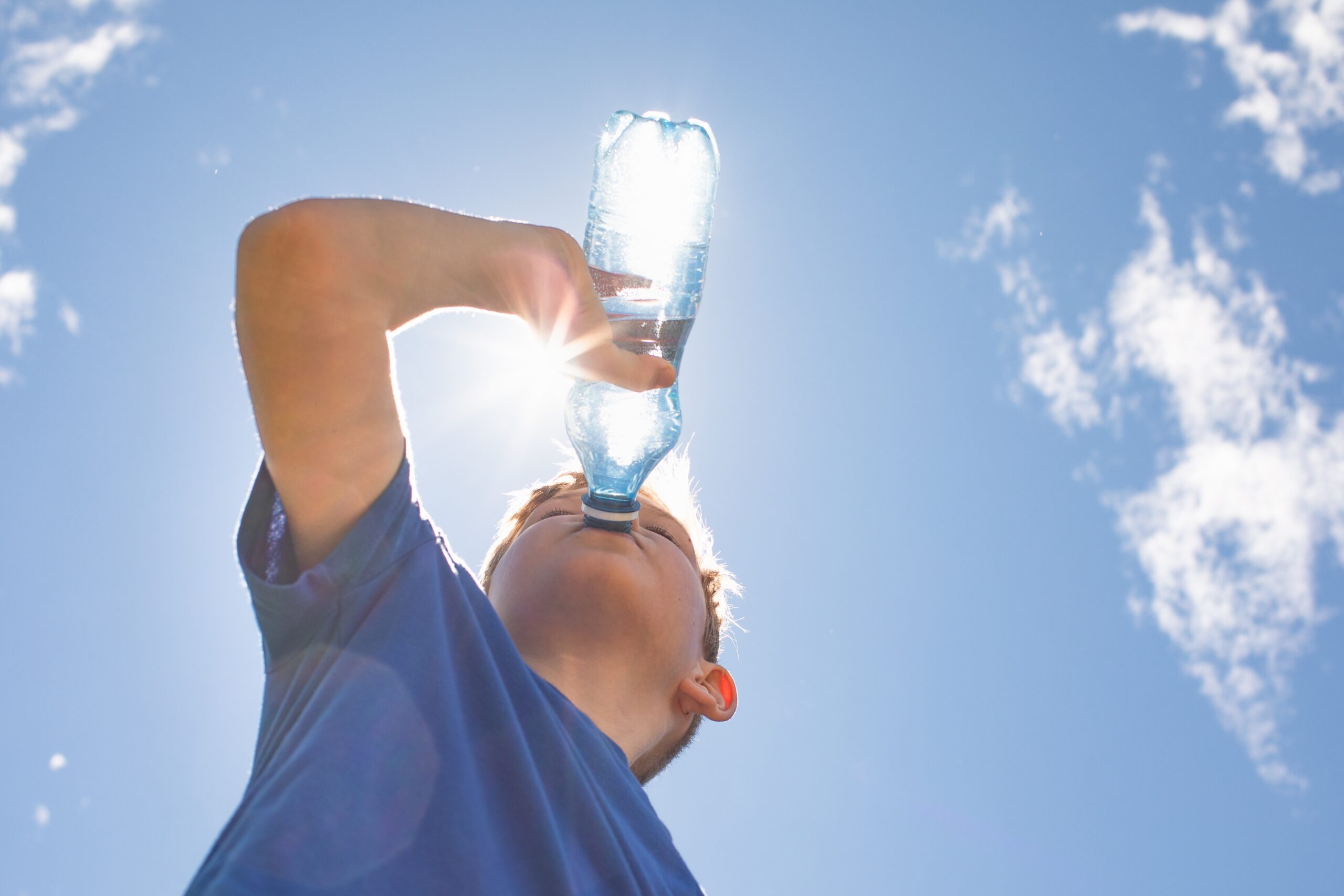
The study recruited healthy adults aged 18 to 35, controlling for confounding factors such as caffeine and alcohol intake, and monitored stress responses using saliva cortisol and urine osmolality. Participants in the low hydration group consumed less than 1.5 liters of water per day, while the high hydration group met or exceeded 2 liters for women and 2.5 liters for men. Under controlled stress challenges, those with lower fluid intake consistently showed exaggerated cortisol responses, highlighting a simple but powerful modifiable factor for stress resilience.
Dehydration is linked to amplified stress
Adults with low fluid intake (1.3L/day) showed significantly higher cortisol reactivity to psychosocial stress vs. high intake (4.4L/day) pic.twitter.com/HBkn2rFLbp
— Brandon Luu, MD (@BrandonLuuMD) October 2, 2025
Physiological Mechanisms and Broader Health Implications
Cortisol, the body’s primary stress hormone, plays a vital role in regulating metabolism, immune function, and cardiovascular health. Chronic elevation of cortisol is linked to numerous conditions, including metabolic syndrome, immune dysfunction, and mood disorders. The Liverpool study’s focus on biological mechanisms—rather than behavioral or psychological interventions—sets it apart. By demonstrating that hydration status directly affects hormonal stress reactivity, the research provides concrete evidence for the role of water in maintaining physiological balance and reducing long-term health risks.
Expert Commentary and Practical Implications
Following the study’s publication, the American Physiological Society highlighted it as a “best of the best” article, drawing attention from health professionals and media outlets. Professor Neil Walsh, principal investigator, stressed the practical importance of hydration for stress management and long-term health, urging public health agencies to integrate hydration advice into wellness campaigns. Psychology Today acknowledged the strong correlation, noting that while causation cannot be definitively established, the evidence suggests a protective effect of adequate hydration against excessive cortisol spikes.
Impact Analysis: From Individual Habits to Public Health Policy
The short-term impact of this research is clear: public awareness of hydration’s role in stress management is rising, prompting immediate behavioral changes among individuals. Long-term, widespread adoption of hydration advice could reduce the incidence of stress-related health problems, lowering healthcare costs and shifting the focus of public health messaging toward simple, preventive measures. Workplaces and wellness programs are likely to incorporate hydration strategies, while the health and wellness industry anticipates increased demand for related products and services.
At-risk groups—those with high stress exposure, chronic health conditions, or limited access to clean water—stand to benefit most from these findings. The economic implications are significant, with potential reductions in medical expenses linked to stress-induced illnesses.
Sources:
News-Medical: Drinking less water daily spikes your stress hormone
American Physiological Society: Drinking less fluids may increase stress hormone levels
Psychology Today: Dehydration and Stress
Stress.org: Not drinking enough water floods your body with harmful stress hormones
Journal of Applied Physiology: Hydration and Cortisol Study