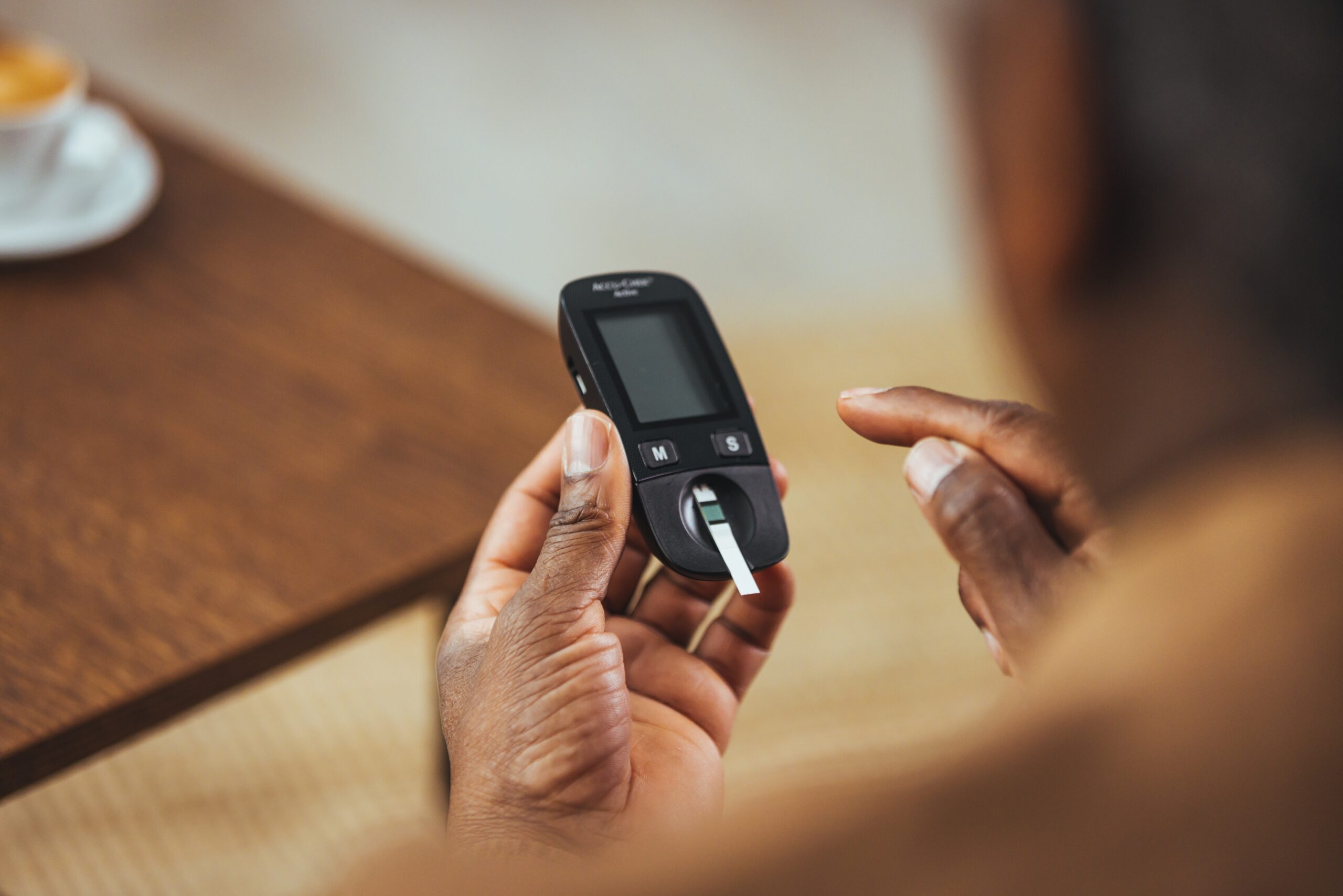
Morning routines, particularly those involving high-sugar breakfasts, are stealthily spiking blood sugar levels, posing significant risks for those with diabetes or insulin resistance.
Story Overview
- High-sugar breakfasts can lead to unexpected blood sugar spikes.
- The dawn phenomenon and Somogyi effect explain morning hyperglycemia.
- Recent studies emphasize breakfast composition’s role in blood sugar control.
- Strategies to manage blood sugar include dietary changes and medication timing.
The Impact of Breakfast Choices
The composition of your breakfast plays a crucial role in regulating blood sugar levels. High-glycemic index (GI) foods, such as sugary cereals and pastries, cause rapid spikes in blood glucose. These choices can exacerbate the dawn phenomenon, a natural hormonal surge that increases glucose production in the early morning, particularly affecting those with diabetes. Eating high-GI foods for breakfast can magnify these effects, leading to postprandial hyperglycemia.
To combat these spikes, experts recommend opting for low-GI foods and balancing carbohydrates with protein and fiber. These choices help stabilize blood sugar levels throughout the morning. The timing and type of breakfast can either mitigate or exacerbate morning hyperglycemia, making it vital to consider what you eat first thing in the morning.
Watch: This Lowers Morning Blood Sugar Instantly
Understanding the Dawn Phenomenon and Somogyi Effect
The dawn phenomenon and Somogyi effect are two physiological processes contributing to morning blood sugar spikes. The dawn phenomenon involves increased glucose production due to hormonal surges, such as cortisol and growth hormone, in the early hours. This natural process can be problematic for individuals with diabetes, who have impaired insulin response.
Conversely, the Somogyi effect refers to rebound hyperglycemia following nocturnal hypoglycemia. When blood sugar drops overnight, the body compensates by releasing more glucose. Both phenomena highlight the need for strategic management of blood sugar levels, particularly in the morning when these effects are most pronounced.
Watch: 8 MORNING HABITS to LOWER BLOOD SUGAR + THE GOLDEN TIP for DIABETES
Strategies for Blood Sugar Management
Managing morning blood sugar spikes requires a multifaceted approach. Besides choosing low-GI breakfasts, adjusting medication timing can significantly impact blood sugar control. Healthcare providers often recommend aligning medication schedules with the body’s natural rhythms to prevent morning hyperglycemia.
Continuous glucose monitoring (CGM) offers an effective way to track and manage these spikes. CGM devices provide real-time data, allowing for timely adjustments in diet and medication. This technology empowers patients to make informed decisions and work closely with healthcare providers to optimize their management strategies.
Sources:
American Diabetes Association
University of Maryland Medical System
Mayo Clinic
diaTribe
PubMed Central
AOL
Centers for Disease Control and Prevention