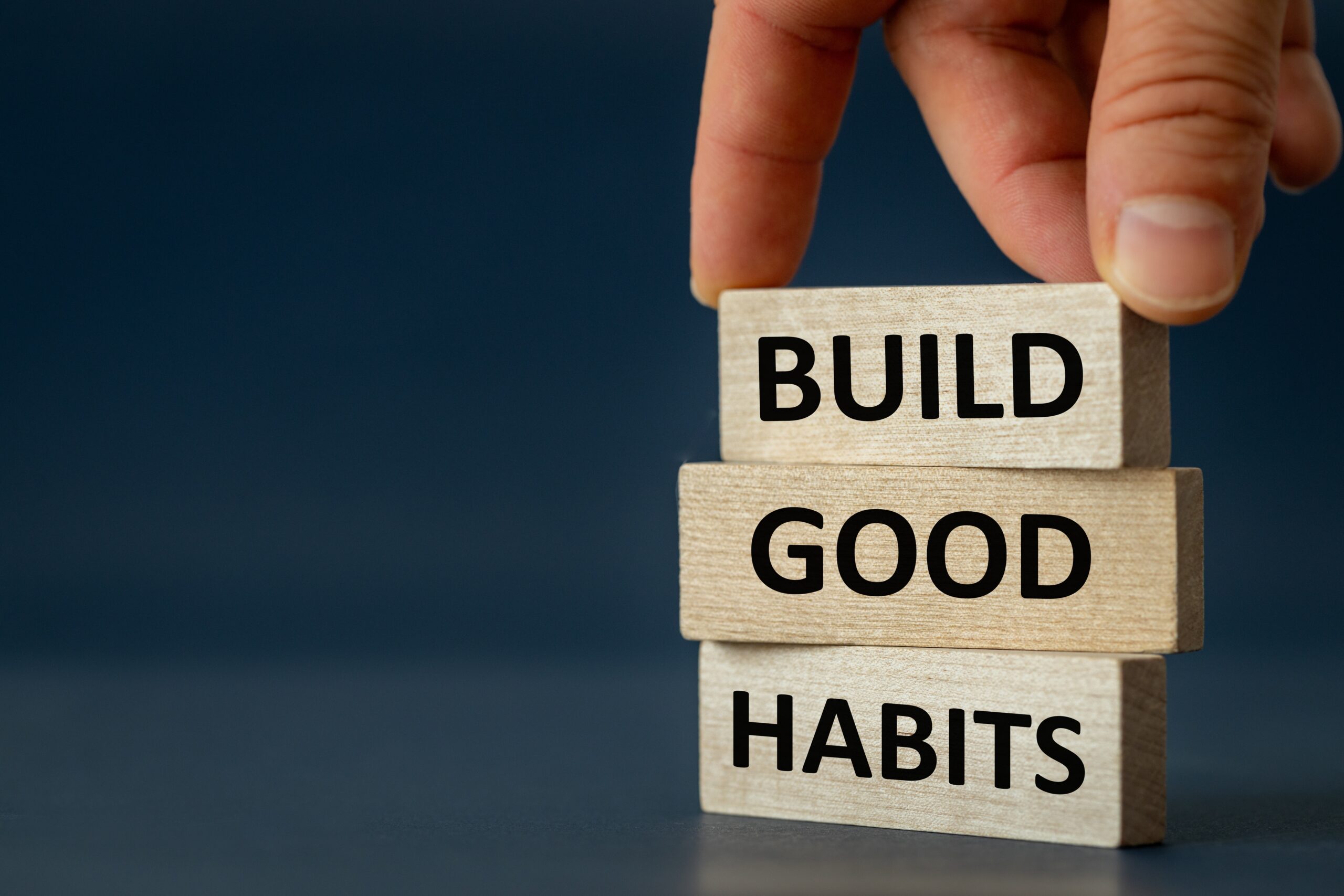
The simple psychological trick that transforms New Year’s resolutions into automatic daily routines has been hiding in plain sight for over 80 years, but millions are just now discovering its remarkable power.
Story Overview
- Habit stacking links new behaviors to existing routines, making them stick automatically through established neural pathways
- The technique has deep roots in behavioral psychology dating back to the 1930s but exploded on social media in 2024-2025
- Health professionals and therapists increasingly recommend this method for everything from ADHD management to workplace productivity
- Success depends on starting small and pairing new habits with enjoyable, well-established routines you already perform daily
The Science Behind Automatic Behavior Change
Habit stacking operates on a deceptively simple premise: attach a new behavior to an existing habit that already runs on autopilot. The psychological foundation traces back to B.F. Skinner’s reinforcement theory from 1938 and Ivan Pavlov’s conditioned response research from the mid-1800s. When you piggyback a desired behavior onto an established routine, you bypass the mental resistance that typically derails new habits.
The technique leverages context-dependent memory and neuroplasticity principles that behavioral scientists have validated for decades. Your brain creates stronger neural connections when new behaviors follow predictable triggers, essentially hijacking the automation of your existing routines to power fresh habits into existence.
Watch: Habit Stacking 101: A Beginner’s Guide to Building Powerful Habits
From Academic Theory to Social Media Phenomenon
S.J. Scott coined the term “habit stacking” in his 2014 book, but James Clear’s “Atomic Habits” in 2018 catapulted the concept into mainstream consciousness. The method remained relatively niche until 2024, when it exploded across TikTok and other social media platforms. Users began sharing success stories and creative implementations, transforming an academic concept into a viral self-improvement strategy.
Health organizations like Brown County Public Health now officially endorse habit stacking for New Year’s resolutions and general wellness initiatives. The timing proves perfect as people seek science-backed alternatives to willpower-dependent goal setting. The COVID-19 pandemic disrupted countless routines, creating demand for reliable methods to rebuild positive habits in uncertain times.
Real-World Applications That Actually Work
The beauty of habit stacking lies in its versatility and accessibility. After brushing your teeth, you might do ten pushups. While your morning coffee brews, you could write three gratitude journal entries. The key involves identifying rock-solid existing habits and strategically attaching small new behaviors immediately afterward. Therapists report particular success using this method with ADHD patients who struggle with traditional habit formation approaches.
Workplace productivity experts integrate habit stacking into employee wellness programs, while healthcare professionals recommend it for everything from medication compliance to exercise routines. The technique requires no special tools, apps, or resources beyond identifying your existing behavioral patterns and choosing complementary new habits that align with your goals.
Sources:
Stay Healthy BC – Habit Stacking 2025
Monitask – Habit Stacking Business Glossary
FocusKeeper – What is Habit Stacking Methods
The Times Weekly – Habit Stacking Expert Method
James Clear – Habit Stacking
Sustainability Directory – Habit Stacking
Food52 – Habit Stacking Explained
Reframe App – Habit Stacking Brain Hack
Motherly – Habit Stacking Mental Health