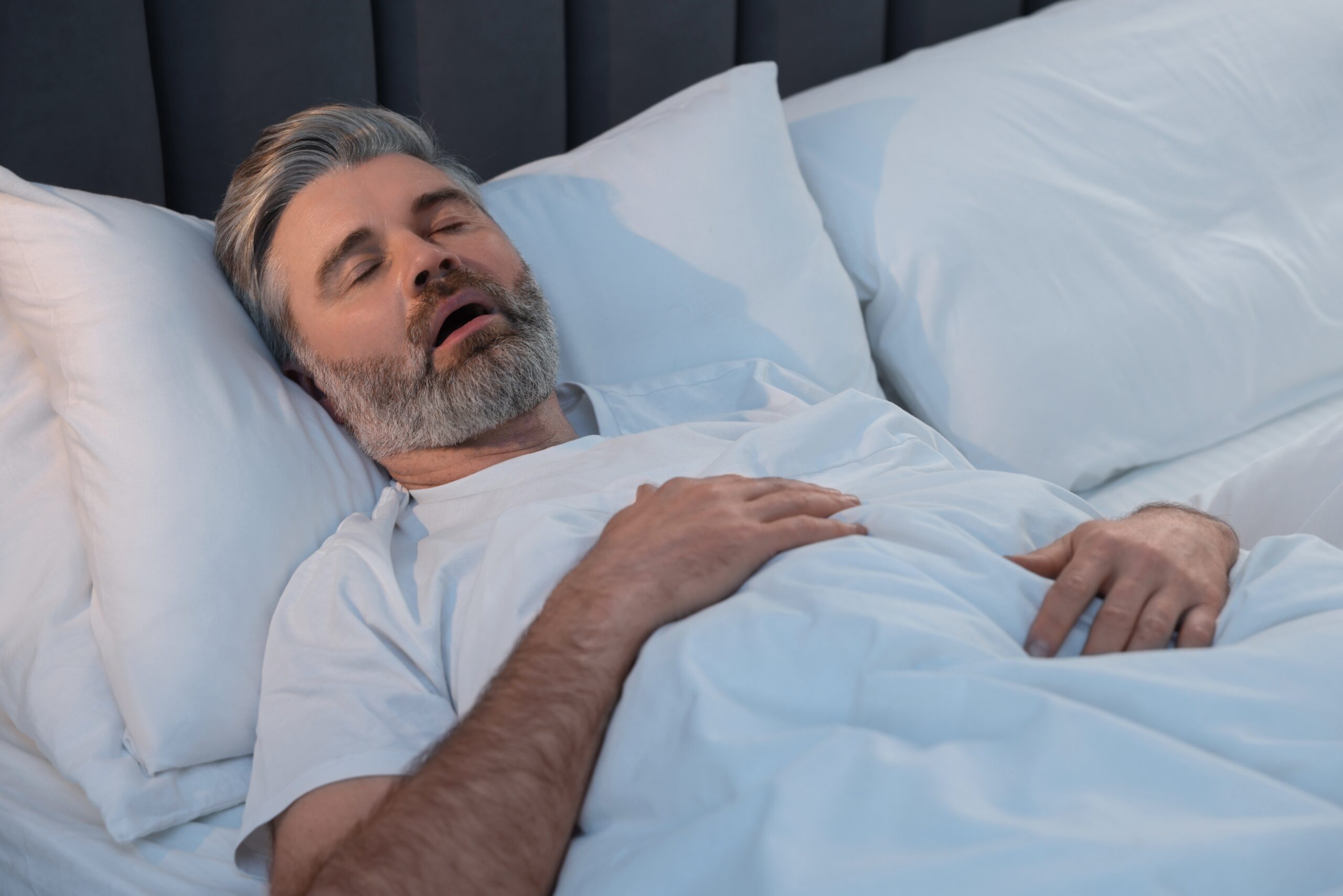
Everything you thought you knew about drifting off to sleep—slowly fading, gently surrendering—has just been shattered by science.
Story Snapshot
- New research proves falling asleep is abrupt, not gradual, and can be predicted with high precision.
- The discovery upends decades of sleep science and has major implications for sleep disorder diagnosis and technology.
- Researchers identified a universal “tipping point” in brain activity using advanced EEG modeling.
- This breakthrough could soon redefine how clinicians, technologists, and the public approach sleep health.
Science Overturns an Ancient Bedtime Belief
For as long as anyone can remember, experts and laymen alike pictured sleep as a gentle descent—your thoughts slow, your body relaxes, and you gradually slip beneath the waves. The November 2025 study published in Nature Neuroscience has detonated this comforting myth. By meticulously analyzing the brainwaves of over 1,000 volunteers, scientists have shown that falling asleep is not a slow fade but a sudden, geometric shift. The human brain, it turns out, stays in a stable, waking state until an abrupt “tipping point” triggers sleep almost instantaneously.
Using geometric modeling of EEG data, researchers at Imperial College London and the University of Surrey mapped the second-by-second changes in brain activity as people tried to fall asleep. The expectation: a slow, continuous decline. The reality: a dramatic, high-velocity plunge. The brain’s electrical patterns remain relatively unchanged until, without warning, they diverge sharply—a bifurcation, not a slide. This universal pattern emerged in all subjects, regardless of age or background, with a remarkable 95% accuracy in predicting the moment of sleep onset.
Watch:
Paradigm Shift: From Sleepy Drift to Binary Switch
Lead author Dr. Nir Grossman describes the discovery as a “bifurcation,” a sudden fork in the road of consciousness. Senior coauthor Dr. Derk-Jan Dijk, a titan in sleep physiology, points out that the real-time prediction of sleep’s onset could revolutionize how we diagnose and treat sleep disorders. No longer will clinicians have to rely on vague patient recollections or broad sleep stage averages. Instead, they may soon measure the precise instant a patient loses wakefulness—a leap forward for insomnia, narcolepsy, and related conditions. This study, backed by rigorous computational analysis and peer-reviewed in one of neuroscience’s most prestigious journals, offers a new lens for understanding why some nights we can’t sleep, and how we might one day fix it.
The implications reach far beyond the doctor’s office. Technologies that can detect this tipping point could soon make their way into wearable health devices, smartphone apps, or even automotive safety systems. Imagine a world where your car knows you are about to doze off—before you do. Such real-time monitoring could help prevent accidents, improve sleep therapies, and empower people to track their own sleep health with far greater precision.
https://twitter.com/MensHealthMag/status/1993333990925705526?s=20
Rethinking Sleep Disorders, Diagnostics, and Daily Life
With this new model, the short-term impact is already rippling through the scientific and clinical communities. Sleep researchers are re-evaluating decades of data, recalibrating their understanding of insomnia, and reconsidering the criteria used in medical guidelines for sleep disorders. The long-term possibilities are even more tantalizing: new therapies tailored to the exact dynamics of sleep onset, consumer devices that alert users to sleep instability, and perhaps an eventual redefinition of what it means to have “trouble sleeping.”
Patients, clinicians, technology developers, and insurers all find themselves at the threshold of a new era. The study’s authors remain cautious, noting that further research is needed to confirm the model across diverse populations and sleep conditions. As more findings emerge and new tools are developed from this research, the myth of a gentle, meandering path to sleep will fade into history.
Sources:
Men’s Health
AOL