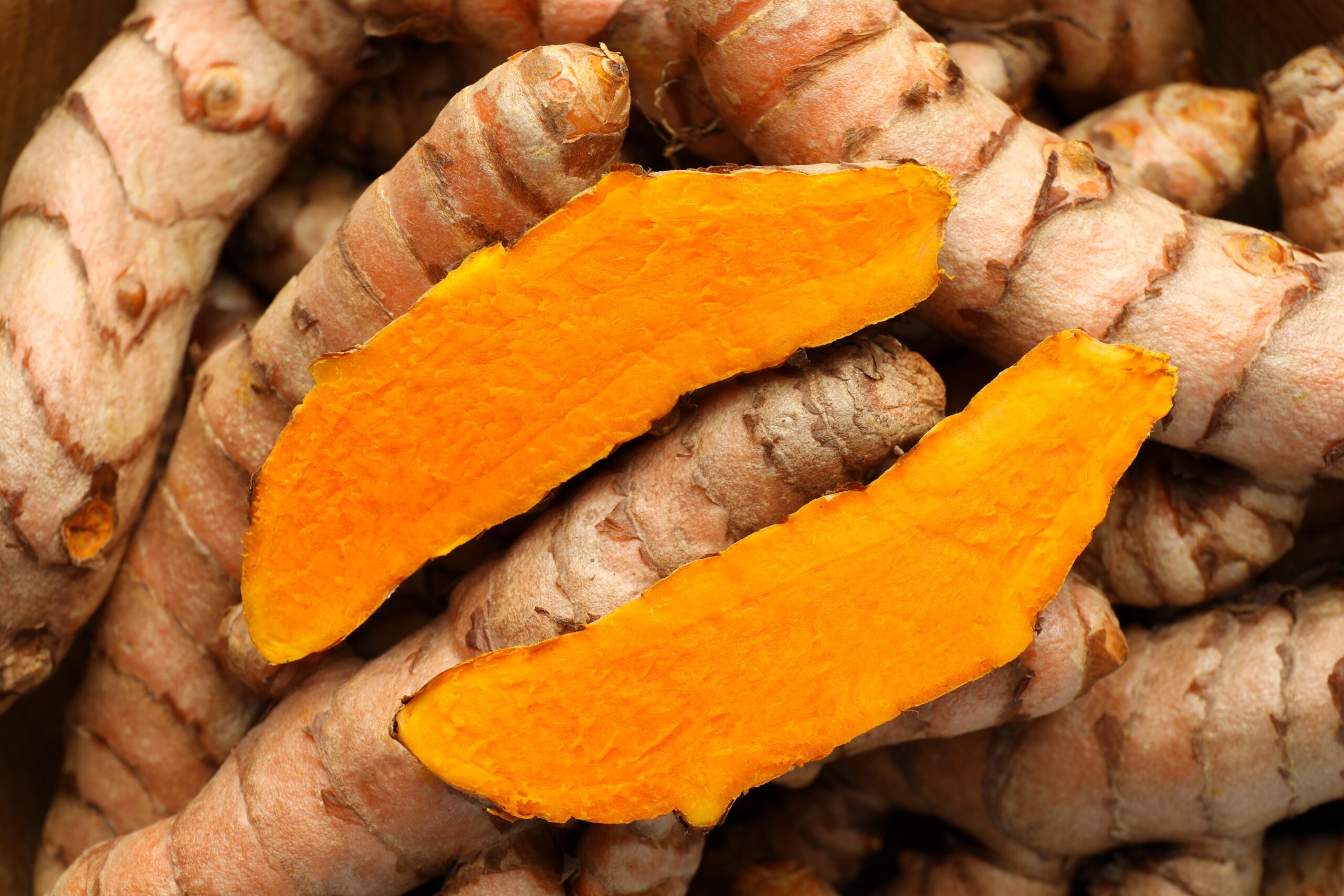
A golden spice sitting in your kitchen cabinet might deliver more pain relief than the expensive medications lining your medicine cabinet.
Story Highlights
- Turmeric capsules provided significant knee pain reduction in osteoarthritis patients over 12 weeks
- Curcumin, turmeric’s active compound, outperformed placebo with minimal side effects
- The spice offers anti-inflammatory benefits without the risks of NSAIDs or opioids
- Joint swelling and cartilage damage remained unchanged, but pain relief was measurable
The Ancient Remedy Meeting Modern Standards
Turmeric has adorned curry dishes and traditional medicine cabinets for thousands of years, but controlled scientific trials now validate what ancient healers suspected. The vibrant yellow spice contains curcumin, a compound that delivers genuine analgesic properties through targeted anti-inflammatory action. Unlike folk remedies that crumble under scientific scrutiny, turmeric’s pain-fighting credentials have earned legitimate medical recognition.
Twelve Weeks to Measurable Relief
The controlled trial that changed turmeric’s medical standing followed osteoarthritis patients through a rigorous 12-week protocol. Participants receiving turmeric capsules reported significant pain reduction compared to their placebo counterparts, with effects becoming apparent within weeks. The study’s design eliminated placebo bias and psychological factors, isolating turmeric’s actual therapeutic impact on joint discomfort.
Researchers documented pain levels using standardized measurement tools, ensuring objective data collection. The results showed consistent improvement patterns across different patient demographics, suggesting turmeric’s benefits extend beyond individual variations in pain perception or tolerance.
Safety Profile Trumps Pharmaceutical Alternatives
The trial revealed minimal side effects among turmeric users, contrasting sharply with traditional pain medications’ concerning risk profiles. NSAIDs carry documented risks of stomach ulcers, kidney damage, and cardiovascular complications, while opioids present addiction potential and respiratory depression dangers. Turmeric’s safety margin appears substantially wider, making it suitable for long-term use without the monitoring requirements of prescription alternatives.
The compound’s anti-inflammatory mechanism differs fundamentally from synthetic drugs, working with the body’s natural processes rather than suppressing them. This biological compatibility explains turmeric’s gentle side effect profile while maintaining therapeutic effectiveness.
Watch:
https://youtu.be/VYzGTW0Dy5M?si=m7SZy_sqM7VfG-ei
Understanding Turmeric’s Limitations
The research clearly delineated turmeric’s capabilities and boundaries, finding no impact on joint swelling or cartilage regeneration. These findings prevent unrealistic expectations while highlighting turmeric’s specific strength: pain management through inflammation reduction. Patients seeking structural joint repair must explore additional interventions, but those primarily battling daily discomfort found genuine relief.
The distinction between pain relief and tissue healing represents crucial information for treatment planning. Turmeric addresses the inflammatory cascade that generates pain signals without reversing existing joint damage, making it most effective for symptom management rather than disease modification.
Your instant doctor companion – online 24 hours a day.
Sources: