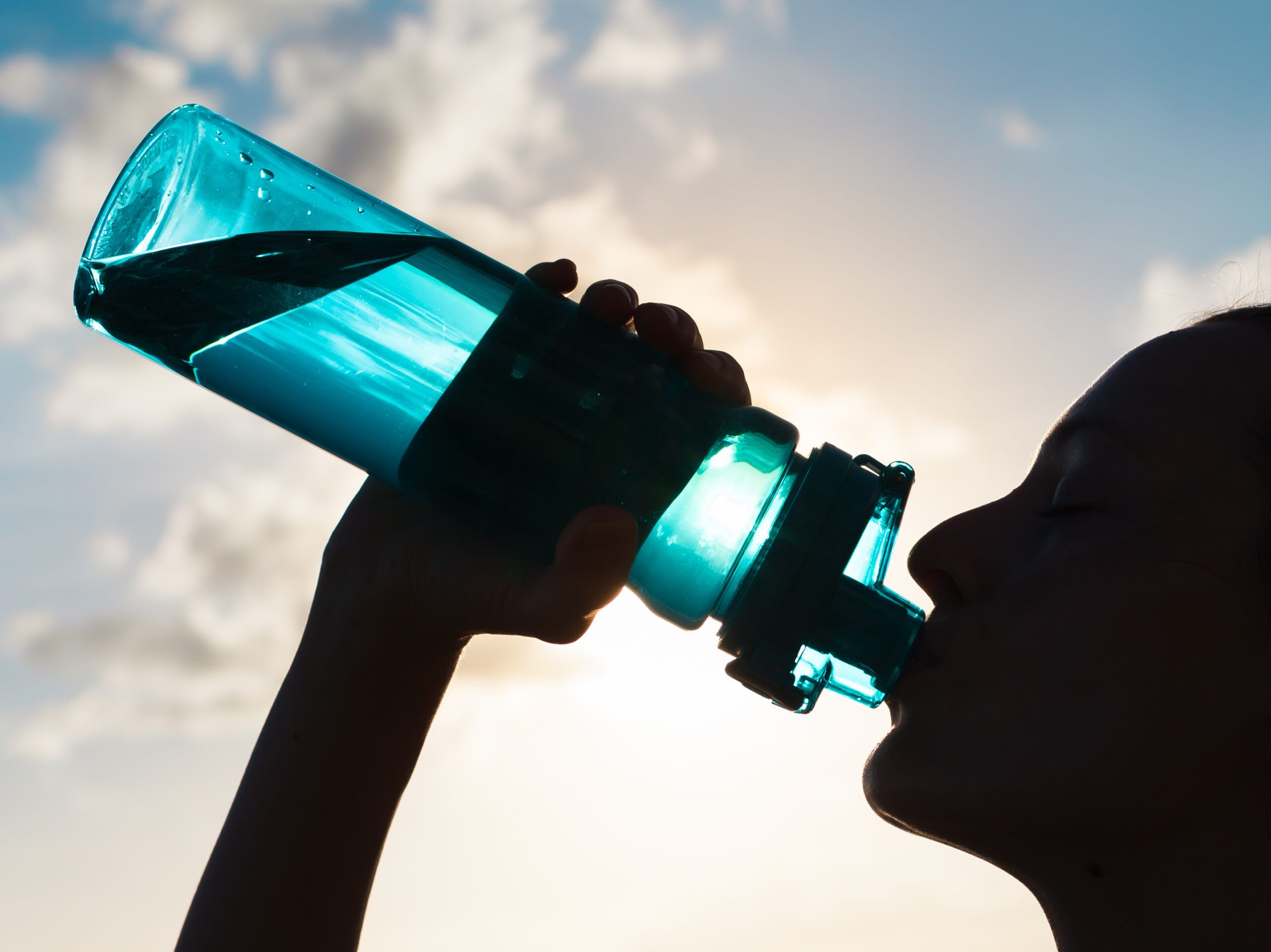
Why gulp gallons of water when a tiny pinch of electrolytes can supercharge your hydration game?
At a Glance
- Electrolyte needs are highly individualized; no one-size-fits-all solution exists.
- Rapid absorption possible with some products, but full uptake needs time.
- Natural sources of electrolytes are often effective and preferable for non-athletes.
- Over-supplementation poses risks, particularly for some medical conditions.
The Rise of Electrolytes: A Historical Perspective
Once upon a time, in the sweat-drenched world of endurance sports, athletes realized that water alone couldn’t quench their thirst. Enter electrolytes—those magical minerals that keep our muscles firing and nerves zinging. As early as the 1960s, sports drinks like Gatorade swooped in to save the day, helping athletes replenish what was lost in the heat of competition. Fast forward to today, and we’ve got an aisle full of electrolyte chews, powders, and drinks, each promising to be the elixir of life.
But the story doesn’t end there. With the rise of fitness trends and extreme climates, the demand for these supplements has reached a fever pitch. Clinical studies have shifted the narrative from generic advice to personalized hydration strategies. No longer is it just about gulping down a sports drink after a jog. The focus now is on when, how, and why you should take these crucial minerals.
The Science of Absorption: Timing is Everything
Recent studies have unveiled a fascinating secret: the absorption of electrolytes isn’t as straightforward as we once thought. Imagine this—a clinical study from 2025 revealed that nearly 50% of sodium in certain chewables can be absorbed in just 45 seconds right in your mouth. The rest takes a leisurely 20 minutes or more to be absorbed through the gut. This groundbreaking discovery has shifted the hydration landscape, making us rethink how we consume these essential minerals.
For those seeking the holy grail of hydration, timing is key. Sports dietitians now recommend a strategic approach: pre-hydration before exercise, supplementation during, and replenishment afterward, depending on how much you sweat and how long you’re active. It’s not just about staying hydrated; it’s about optimizing your electrolyte intake for peak performance.
Natural Sources vs. Supplements: The Great Debate
Amidst the sea of supplements, a new contender emerges—nature’s own electrolyte-rich offerings. Milk, juice, coconut water, and broths are coming into the spotlight as effective alternatives for those not running marathons or scaling mountains. These natural sources provide not only electrolytes but also a host of other nutrients, making them a smart choice for everyday hydration.
However, the debate rages on. While some experts argue that most people can meet their electrolyte needs through a balanced diet, others caution against underestimating the requirements in extreme environments. The key takeaway? Know your body and its needs. Whether you’re a weekend warrior or a couch potato, listen to your body’s signals and hydrate accordingly.
The Risks of Over-Supplementation: Tread Carefully
As with all things in life, moderation is crucial. Over-supplementation, particularly with potassium and magnesium, can lead to unwanted side effects like gastrointestinal upset or mineral imbalances. Those with certain medical conditions, such as hypertension, should exercise caution and consult with a healthcare provider before diving into the electrolyte pool.
The message from experts is clear: while electrolytes are essential, too much of a good thing can be harmful. As the market continues to innovate and expand, with new products and personalized strategies, staying informed and making smart choices is more vital than ever. The quest for optimal hydration is a journey, not a destination. So, lace up your sneakers, grab that electrolyte drink (or coconut water), and hit the road to better health.