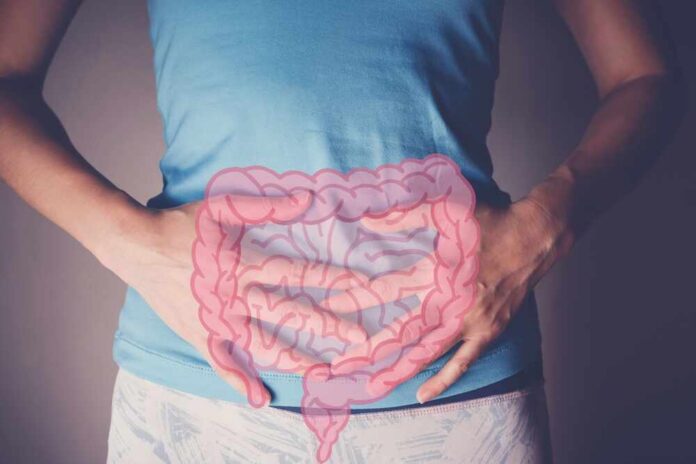
Your gut doesn’t want a miracle pill; it wants you to stop starving it.
Quick Take
- Fiber acts like daily maintenance for your digestive tract and the microbes that run it.
- Most adults fall short on fiber, and ultra-processed eating patterns make the gap worse.
- Aim for roughly 21–38 grams of fiber per day, then build toward greater plant variety week to week.
- Fermented foods can help, but they work best when fiber and other “microbe fuels” show up consistently.
- Some people with IBS-type symptoms need smarter fiber choices, not “more of everything.”
Fiber Is the Missing Nutrient Hiding in Plain Sight
Fiber sounds old-fashioned because it is: it’s the same practical fix your grandparents leaned on for “regularity.” The modern twist is what research now emphasizes—your gut is an ecosystem, and fiber is the steady food supply that helps the helpful bacteria thrive. When people chase gut health with powders and trendy cleanses, they often skip the boring cornerstone: whole grains, beans, vegetables, nuts, seeds, and fruit that deliver fiber daily.
Doctors and public-health agencies converge on a simple point: the typical Western diet doesn’t just underdeliver fiber; it trains the palate away from it. Refined carbs digest fast and leave little behind for the colon. Fiber, by contrast, makes digestion slower and steadier, supports comfortable stool passage, and helps shift the gut environment toward beneficial organisms. That’s why “get enough fiber” keeps reappearing in serious gut-health guidance, decade after decade.
What Fiber Actually Does Once It Reaches the Colon
Fiber doesn’t behave like a vitamin where you “absorb it and move on.” Much of it reaches the large intestine, where gut microbes ferment certain fibers and produce short-chain fatty acids—compounds tied to colon health and broader immune function. This is the mechanism people miss: you’re not only feeding yourself; you’re feeding the tiny workforce that helps manage inflammation, digestion, and barrier function. A low-fiber pattern changes which microbes dominate, and not in your favor.
Fiber also comes with a blue-collar benefit that matters to anyone over 40: it helps prevent constipation and reduces strain on the system. That’s not glamorous, but it’s foundational. When stool sits longer, discomfort rises, hemorrhoids flare, and people start self-medicating with laxatives instead of fixing the underlying input problem.
Targets That Matter: Daily Grams and Weekly Variety
Guidance commonly lands around 21–38 grams of fiber per day, depending on age and sex, and many adults don’t come close. The smart move isn’t to treat that number like a pop quiz; it’s to use it like a budget. Breakfast can carry a surprising share: oats or whole-grain cereal plus fruit and seeds. Lunch gets easier when beans, lentils, or whole grains replace refined sides. Dinner becomes the anchor when vegetables stop being garnish.
Then comes the overlooked lever: variety. Several gut-health playbooks now stress the value of eating a wide range of plant foods across a week—different beans, greens, grains, nuts, herbs, and fruits—because different fibers and polyphenols feed different microbes. That doesn’t mean turning dinner into a scavenger hunt; it means rotating your staples. A practical household rule works: keep two or three “default” high-fiber breakfasts, then vary lunch and dinner plants week to week.
Probiotics, Prebiotics, Polyphenols: The Team, Not the Hype
Gut-health marketing tries to sell one hero at a time. Real physiology works as a team sport. Probiotics (live microbes from foods like yogurt or kefir) can help, but they don’t replace the need for prebiotics—fibers that act as their fuel. Polyphenols, found in foods like olive oil, nuts, and many colorful plants, also interact with gut microbes and tie into inflammation pathways. The most reliable pattern looks less like supplementation and more like a Mediterranean-style plate built on real food.
Fermented foods deserve a sober evaluation. Some evidence supports benefits, and many people tolerate yogurt or kefir well, but research isn’t a blank check, and individual response varies. If a cup of sweetened yogurt shows up next to a low-fiber, ultra-processed diet, the gut doesn’t magically reset. Build the base first: fiber and plant diversity. Then add ferments if they agree with you.
When “More Fiber” Backfires: IBS, Bloating, and Smarter Choices
People with IBS-like symptoms often hear “eat more fiber” and then wonder why they feel worse. The fix usually isn’t to abandon fiber; it’s to choose it strategically and increase slowly. Certain foods high in fructose or other fermentable carbs can trigger bloating for sensitive people. That’s why some guidance emphasizes moderation with specific triggers and keeping meals balanced with lean proteins and tolerable carbs. The goal stays the same—support the microbiome—without turning your abdomen into a science experiment.
Start with a conservative ramp: add one high-fiber food per day for a week, drink enough water, and watch how your body responds. Oats, chia, berries, cooked vegetables, and lentils often work as “gentler” entries than huge raw salads. If symptoms persist or alarm signs appear, medical evaluation beats internet diagnosis every time. Gut health rewards consistency, not heroics. The long game is boring on purpose—and that’s exactly why it works.
Sources:
5 Foods to Improve Your Digestion
11 Foods for Gut Health and Recipes
Hartford HealthCare News Detail (articleId=68736)
5 Simple Ways to Improve Gut Health
Good foods to help your digestion
How can I improve my gut health?
St Vincent’s News Detail (articleId=62807&publicid=395)