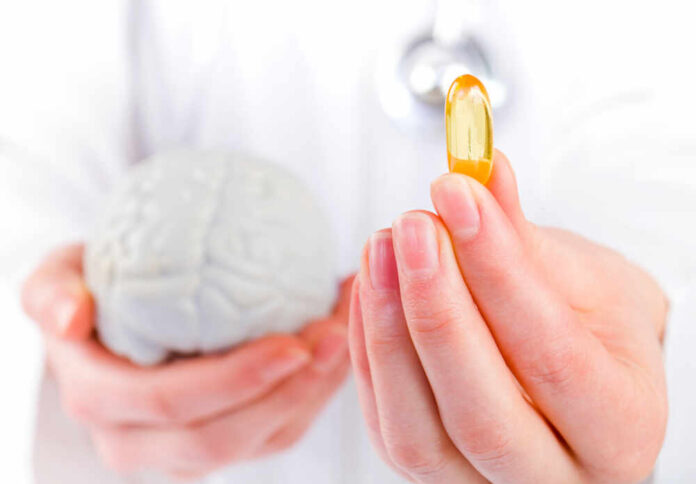
Creatine, the gym rat’s secret weapon for bigger muscles, quietly sharpens your brain too—imagine crushing mental fog without popping pricey nootropics.
Story Snapshot
- Creatine boosts memory and cognition, especially in older adults and during sleep deprivation.
- Brain benefits stem from elevating phosphocreatine stores for ATP energy, confirmed by MRS imaging.
- 2024 meta-analysis of 16 RCTs shows statistically significant memory gains with moderate certainty.
- Safe for most, including renal patients; GAA precursor enhances brain uptake up to 16%.
- Shifts creatine from bodybuilding staple to dual-purpose cognitive aid amid nootropic trends.
Creatine Origins and Muscle Legacy
Chemists identified creatine in 1832 as a natural compound in muscles, synthesized from amino acids arginine, glycine, and methionine. The 1990s brought supplementation fame after studies proved phosphocreatine regenerates ATP for athletic bursts. Bodybuilders adopted 5g daily doses for strength gains. Brain research started post-2000, tying low levels to fatigue and aging. This foundation set the stage for cognitive discoveries, challenging the muscle-only view with hard science.
Brain Uptake Mechanics and Barriers
The blood-brain barrier slows creatine entry compared to skeletal muscle, where 95% stores reside. Supplementation raises brain levels via magnetic resonance spectroscopy confirmation. Phosphocreatine then fuels ATP during high-demand thinking. Early 2010s pig studies revealed guanidinoacetic acid (GAA), creatine’s precursor, boosts brain creatine more effectively. Stressed brains—sleep-deprived or aging—benefit most, as baseline levels dip under metabolic strain. This mechanism explains targeted effects.
Key Studies Confirm Cognitive Gains
A 2022 PMC review synthesized evidence for memory and cognition improvements in stressed states. 2024 Frontiers in Nutrition meta-analysis of 16 RCTs involving 500 participants found significant memory enhancements. Scientific Reports detailed single-dose benefits during sleep deprivation, combating mental fatigue. These trials used creatine monohydrate like CreaPure, outperforming placebo. Benefits shone in older adults, women, and vegetarians with naturally low creatine. Evidence levels moderate, demanding more longitudinal data.
Stakeholders Driving the Shift
Academic teams from PMC and Frontiers lead with rigorous trials; Robert Bertolo’s lab pioneered GAA research. UCLA Health, University Hospitals, and Baylor Scott & White promote evidence-based use for brain health. FDA deems creatine GRAS, affirming safety. Supplement makers capitalize on trends, though academics warn against industry bias. Influencers amplify via social media, destigmatizing nootropics.
Impacts on Health and Markets
Short-term, users report less fatigue and sharper focus under stress; long-term potential aids TBI recovery and aging cognition. Older adults and stressed athletes gain dual muscle-brain perks. The $1B supplement market surges as creatine enters wellness routines. Socially, it normalizes smart supplementation without pharma dependence. Risks include hype outpacing data—longitudinal studies lag.
Sources:
PMC article on creatine supplementation and cognitive function
Lalezar Surgical blog on creatine for brain health
PMC article on creatine and brain creatine levels
Healthline on 10 benefits of creatine
University Hospitals blog on supplements for brain health
Baylor Scott & White Health on creatine benefits
UCLA Health on why everyone’s talking about creatine