Your gut can store a “memory” of what you ate, what meds you took, and what microbes moved in—and that history may quietly steer your brain toward sharper thinking or faster decline.
Story Snapshot
- “Gut memory” describes long-lasting microbiome and gut-nerve changes that persist after diets, antibiotics, infections, or aging.
- Mouse research links an aged microbiome to worse learning and memory through immune signals and weakened vagus-nerve communication to the brain.
- Human evidence is early and mostly correlational, including bile-acid patterns and gut findings associated with Alzheimer’s disease.
- Interventions under discussion range from fiber-forward diets and exercise to vagus-nerve-targeted drugs; antibiotics are not a realistic long-term strategy.
What Scientists Mean by “Gut Memory,” Without the Clickbait
“Gut memory” does not mean your intestines remember your anniversary. Researchers use the term as shorthand for persistence: once the gut ecosystem shifts, it may not bounce back to baseline. The microbes can stabilize into a new pattern, and the enteric nervous system—the nerve network embedded in the gut—can also adapt after injury or inflammation. That durability matters because the gut communicates with the brain through metabolites, immune signals, and the vagus nerve.
Older adults should pay attention because “persistent” is the whole story. One bad week of food choices usually isn’t the villain; repeated patterns are. High-fat, high-sugar diets, infections, and antibiotics can all restructure microbial communities. Early-life colonization appears to imprint immunity for decades, while aging tends to tilt the microbiome toward more inflammatory profiles. That sets up a practical question with real stakes: if your gut “learns” an unhealthy state, can you un-teach it before cognition pays the price?
The 2024 Pivot: Aged Microbiomes, Vagus Nerve Breakdown, and Memory Loss in Mice
Recent work sharpened the story by pointing to a specific chain of events in animal models. Researchers reported that an aged microbiome can drive cognitive problems by disrupting intestine-to-brain signaling. A proposed mechanism involves microbe-produced metabolites, including medium-chain fatty acids, that trigger inflammatory signaling such as IL‑1β and blunt vagus-to-hippocampus communication. In the same line of research, microbiome depletion reversed some aging effects in mice, and stimulating gut neurons restored memory performance.
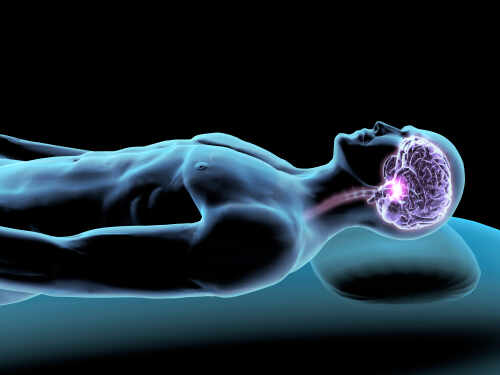
That result lands with force because it puts the vagus nerve at center stage. The vagus is the main highway between gut and brain, and older readers have heard it mentioned in wellness circles for years. The science angle here is more concrete: a degraded signal may mean the brain receives less “all clear” messaging from the gut and more inflammatory noise. That reframes memory loss as partly a body-wide systems problem, not only a brain plaque problem.
Human Clues: Gut Amyloid, Bile Acids, and a Timing Problem
Human evidence does not yet prove causation, but it raises eyebrows in the right way. Alzheimer’s-related research has reported gut changes that appear to precede classic brain pathology in some models, and human studies have explored patterns such as altered bile acids associated with cognitive decline. Autopsy observations have also surfaced in discussions: deposits linked to Alzheimer’s pathology appear outside the brain, including in the gut. None of that confirms a single “bad bug” causes dementia, but it makes the gut a credible suspect.
The timing problem drives both excitement and skepticism. If gut shifts come early, they offer a prevention window. If they come late, they may simply reflect a body already in decline. Most interventions that look dramatic in mice happen under controlled conditions: standardized diets, uniform genetics, and carefully managed microbes. Real life includes travel, stress, inconsistent sleep, prescriptions, and the occasional ill-advised fast-food streak.
The Most Practical Takeaway: Your Daily Habits Train the System
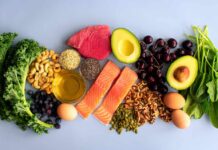
The headline temptation is to chase a supplement or a “microbiome reset.” The more defensible approach looks boring, which is exactly why it works: repeatable habits that steadily support microbial diversity and lower inflammation. Researchers and public-health sources consistently circle the same anchors—diet quality, fiber intake, exercise, and sleep—because they affect metabolites like short-chain fatty acids that support gut barrier health. The gut’s “memory” angle simply raises the stakes: the body may remember neglect longer than you do.
Medication decisions deserve extra sobriety. Antibiotics can be lifesaving, and nobody should romanticize infections. At the same time, research on long-term microbiome shifts after antibiotic exposure reinforces a principle most 40+ readers already live by: use powerful tools carefully and only when warranted. A similar caution applies to laxative overuse and extreme dietary swings that repeatedly jolt the gut environment. The moral isn’t guilt; it’s stewardship—protect the systems you can control while medicine tackles what you can’t.
Where This Is Headed: Vagus-Targeted Therapies, Microbiome Swaps, and Hard Proof
Two future paths look especially consequential. The first targets signaling: if vagus-nerve impairment helps translate gut aging into brain decline, therapies that modulate gut-brain communication—potentially including hormone pathways like GLP‑1—become more than weight-loss headlines. The second targets the community itself: microbiome transplants and other “swap” strategies have shown striking effects in animal models, including survival and behavioral outcomes. Translation to humans will demand safety, durability, and proof beyond correlation.
The open loop is the one families care about: when does “gut memory” become destiny? Researchers have not shown that a specific dinner plan prevents Alzheimer’s, and they have not proven a single microbe causes it. They have shown enough to justify a disciplined, no-nonsense posture: treat your gut like infrastructure. Small cracks ignored for years become expensive failures. If the gut really keeps receipts, the smartest move is to start writing better ones now.
Sources:
Beyond the Brain: Gut Microbiome and Alzheimer’s Disease
Does Gut Health = Brain Health?
Is There Evidence That Supports Learning and Memory in the Gut?
Microbiome “Memory”: Mechanisms, Windows of Susceptibility, and Long-Term Health Impacts
How Does Gut Bacteria Affect the Brain?