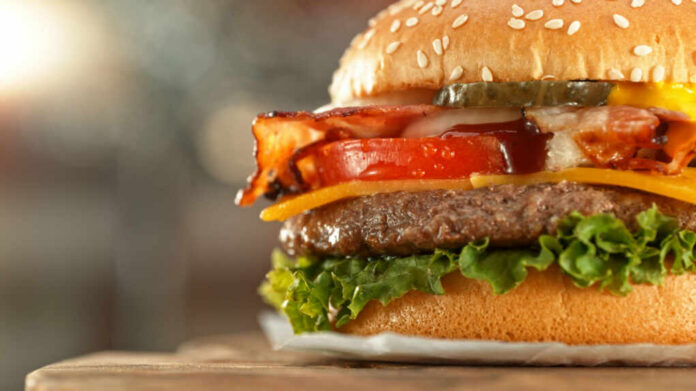
A new randomized controlled trial just handed beef eaters something they rarely get from the nutrition establishment: a clean bill of health for blood sugar control, and the science behind it is harder to dismiss than you might expect.
Story Snapshot
- A 28-day randomized crossover trial found no significant differences in insulin sensitivity or pancreatic beta-cell function when prediabetic adults ate 6 to 7 ounces of unprocessed beef daily versus poultry.
- Researchers measured fasting and postprandial glucose, insulin, C-peptide, glucagon, and incretin hormones, and found no adverse changes in any of them for the beef group.
- The findings challenge decades of public messaging linking red meat to diabetes risk, but the trial’s short duration and narrow comparison leave the broader debate very much alive.
- Harvard epidemiology continues to report that every additional daily serving of processed red meat is associated with a 46% greater risk of developing type 2 diabetes, making this a genuine scientific conflict worth understanding.
What the Trial Actually Tested and Found
The study, published in Current Developments in Nutrition and summarized in a peer-reviewed article on PubMed Central, enrolled adults with prediabetes in a controlled crossover design. Participants consumed 6 to 7 ounces per day of either unprocessed beef or poultry for 28 days, then switched. Researchers measured every relevant metabolic marker they could: fasting glucose, postprandial glucose, insulin, C-peptide, glucagon, glucagon-like peptide-1, and glucose-dependent insulinotropic polypeptide. The result across all of them was the same: no significant difference between the beef and poultry conditions. [1]
Senior author Kevin C. Maki stated plainly that “when beef is consumed as part of a healthy dietary pattern, it helps fill essential nutritional gaps and does not adversely impact the cardiometabolic risk profile compared to poultry.” [3] That quote matters because it is not a claim that beef is a health food. It is a claim that beef performs no worse than the protein source Americans already accept without question. That is a narrow but genuinely meaningful finding, particularly for the 96 million American adults currently living with prediabetes who have likely been told, in some form, to reduce red meat.
Why This Conflicts With What Harvard Has Been Saying
The Harvard T.H. Chan School of Public Health has reported that red meat consumption is strongly associated with increased type 2 diabetes risk, with every additional daily serving of processed red meat linked to a 46% greater risk of developing the disease. [4] Plant proteins, nuts, legumes, and dairy were associated with lower risk when substituted for red meat. That research is based on large prospective cohort studies tracking people over years and decades, which is exactly what a 28-day feeding trial cannot replicate. These two evidence streams are not measuring the same thing, and that distinction is critical.
Short-term randomized trials detect acute changes in biomarkers. Long-term observational cohorts track disease incidence over years. A null finding on insulin sensitivity over 28 days does not erase a decades-long association between red meat intake and diabetes incidence, and a cohort association does not prove that the mechanism is what researchers think it is. [6] The honest answer is that both bodies of evidence are real, both have limitations, and neither fully resolves the question of what a daily hamburger does to your risk of diabetes over twenty years.
The Specific Weaknesses You Should Know Before Sharing This Study
The trial compared beef against poultry, not against plant proteins, legumes, or a lower-meat diet. That comparison is central to the Harvard-led substitution argument, and this trial simply does not address it. [1] The study also lasted 28 days, which can capture acute biomarker shifts but cannot detect gradual glycemic deterioration over months or years. The trial population was limited to adults with prediabetes, so the findings do not automatically extend to people with established type 2 diabetes, normal blood sugar, or meaningfully different metabolic profiles. [2] And critically, the trial tested unprocessed beef under controlled conditions, which is not how most Americans actually eat beef.
None of those limitations make the findings false. They make the findings specific. A prior related study cited by the trial’s authors found that a USDA Healthy Eating Pattern including 150 grams per day of lean beef did not significantly alter measures of pancreatic beta-cell function either. [1] That consistency across separate controlled studies matters. The pattern emerging from short-term controlled trials is that unprocessed beef, eaten in reasonable portions within an otherwise healthy diet, does not appear to acutely damage the metabolic machinery responsible for blood sugar control. Whether that holds over twenty years of daily consumption is a question this research design was never built to answer, and claiming otherwise in either direction overstates what the science can currently support.
Sources:
[1] Web – Effects of Diets Containing Beef Compared with Poultry on … – PMC
[2] Web – Unprocessed beef does not worsen metabolic health in prediabetes
[3] Web – Surprising study finds beef doesn’t worsen blood sugar or diabetes …
[4] Web – Red meat consumption associated with increased type 2 diabetes risk
[6] Web – The Red Meat – Diabetes Controversy: Data vs Claims