Your arteries do not need a miracle cleanse, but the right daily habits can quietly push dangerous plaque in the opposite direction.
Story Snapshot
- Natural habits can slow, stabilize, and sometimes shrink artery plaque, but they do not act like a plumbing snake.
- High-intensity intervals, Mediterranean-style eating, and certain foods like garlic and fatty fish have real data behind them.
- Big-name hospitals say the safest plan is lifestyle plus doctor-guided treatment, not supplements instead of statins.
- The smart goal is “safer arteries over time,” not chasing internet promises of overnight unclogging.
What “unclogging” arteries really means in the real world
Harvard Health tells patients that making plaques simply disappear is not possible, but that they can be made smaller and more stable with strong cholesterol lowering and lifestyle changes.[4] Healthline adds there is no fast way to unclog arteries once plaque is there; the best evidence points to a mix of cholesterol-lowering drugs and everyday habits like diet and exercise.[9] That may sound less exciting than “clean your arteries in 14 days,” but it is how people stay out of the emergency room.
If you have a life-and-death problem in a vital pipe, you do not bet the farm on folk remedies. You use every tool that works. Mainstream sources stress that lifestyle changes are essential but usually cannot clear a serious blockage on their own, especially once you have symptoms or high-grade narrowing.[1] That is not a slam on natural methods; it is a warning not to delay proper care while hoping a tea or tonic will do the job of a stent.
The strongest natural tools your arteries respond to
Exercise is not just “good for you”; it reshapes plaque behavior. A trial cited by cardiologist Leonid Kim found that six months of supervised high-intensity interval training led to measurable plaque-volume regression, slightly larger than what was seen with statin therapy alone in that context.[2] That does not mean you throw your pills away. It shows that your muscles, lungs, and arteries talk to each other in ways no supplement can copy. Short bursts of hard effort, done safely, push that conversation in your favor.
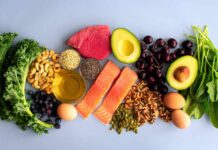
Food choices press the same levers. Harvard points to a Mediterranean style pattern that cuts heart disease risk by about 30 percent: plenty of vegetables, beans, nuts, olive oil, and regular fish, with red meat and processed foods pushed to the edge of the plate.[4] Garlic, leafy greens, berries, whole grains, legumes, and turmeric often show up on “artery cleaning” lists because they support cholesterol control and lower inflammation.[5] This is not magic; it is chemistry. You lower bad fats in the blood, calm the vessel wall, and give plaque fewer reasons to grow more dangerous.
Supplements, superfoods, and where evidence gets thin
Some natural compounds have surprisingly solid research. Aged garlic extract has been tested in double-blind randomized trials and was linked to more stable plaques and slower calcification buildup over about a year.[2] Phytosterols from nuts and seeds can trim low-density lipoprotein cholesterol, the “bad” kind, by a meaningful margin in blood tests.[2] Drinking several cups of green or black tea a day has been tied to lower stroke risk in large groups of people over time.[2] These are strong hints that targeted natural choices can move the needle in real biology, not just in marketing copy.
At the same time, someone selling you a garlic-ginger brew as a stand-alone “artery wash” skips key facts. Ayurvedic drinks and herbal mixes may support health, but the popular videos pushing them often rely on a doctor’s personal experiment or a single dramatic story, not on peer-reviewed imaging studies.[1] Claims that one cup of cocoa, a sauna routine, or a vapor rub “unclogs” arteries leap far beyond their actual data. A short trial on cacao, for example, may show a change in arterial stiffness over two weeks, but that is not the same thing as clearing a tight blockage.
How to build a realistic heart plan
Medical sources like WebMD explain that clogged arteries are usually managed through three layers: lifestyle changes, medications to control cholesterol, blood pressure, and clot risk, and, when needed, procedures like stents or bypass.[6] Eternal Hospital and other guides admit plainly that natural methods can slow, stabilize, and modestly improve plaque but rarely wipe out a big obstruction.[1] The right question becomes, “How can I stack the odds with both lifestyle and smart medical help?”
A good starting blueprint is simple: stop smoking if you do, walk or move most days, add intervals as your doctor clears you, and eat like someone from a Greek fishing village rather than a drive-through line.[4][6] Use natural helpers with real evidence, such as fatty fish, nuts, vegetables, and possibly aged garlic extract, as part of that bigger plan, not instead of it.[2][5] Then work with a doctor you trust on whether you need statins or other drugs to hit target cholesterol numbers. That approach may not promise a “clean sweep” of your arteries, but it does what matters most: lowers your odds of the heart attack that never gives you a second chance.
Sources:
[1] YouTube – How to Unclog Arteries Naturally.
[2] Web – How to Clear Blocked Arteries without Surgery? Natural Methods
[4] Web – 16 Heart-Healthy Foods To Help Unclog Arteries Naturally | Imaware
[5] Web – Can You Unclog and Reduce Plaque in Arteries? – Healthline
[6] YouTube – 1 Best Meal to UNCLOG Your Arteries (Backed by Science)
[9] Web – Can we reduce plaque buildup in arteries? – Harvard Health