Depression may not be one disease, but five distinct brain patterns, according to new brain scan research out of Finland.
Quick Take
- Researchers scanned 263 people with major depression and 75 healthy people, then sorted the patients into five brain connectivity groups.
- Each group showed a different mix of symptoms, including anxiety, trauma, substance abuse, or severe impairment.
- The groups differed by both the strength and speed of signals passing between brain regions.
- The findings come from a single study and still need to be confirmed by other research teams before doctors can use them.
A Single Snapshot Of The Depressed Brain, Split Five Ways
Researchers at the University of Helsinki set out to answer a question that has frustrated psychiatry for decades. Is depression one illness, or many illnesses wearing the same name? Using brain scans from 263 patients with major depressive disorder and 75 healthy volunteers, the team found five separate connectivity patterns instead of one shared signature. The study appears in Nature Mental Health.
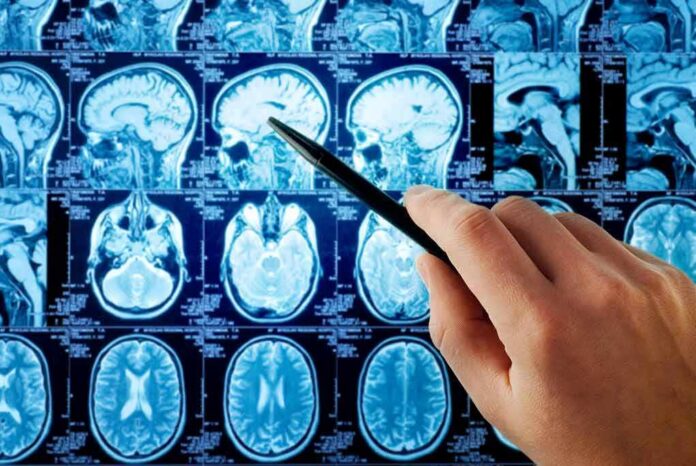
The tool behind the discovery is called magnetoencephalography, or MEG. It tracks tiny magnetic fields made by electrical activity in the brain. Researchers paired MEG readings with structural brain scans and clinical symptom checklists for every patient. That combination let them sort people not just by how they felt, but by how their brains actually behaved while at rest.
Five Groups, Five Very Different Struggles
The five profiles broke down by both connectivity and symptoms. One group showed strong brain connections paired with severe depression, anxiety, and constant rumination. A second had weak connections and milder symptoms overall. A third showed widespread weak connectivity alongside heavy trauma symptoms. A fourth mixed severe depression with substance abuse. A fifth had the strongest connections of all, tied closely to substance abuse but fewer trauma symptoms.
That spread matters because it mirrors what doctors already see in exam rooms. Two people with the same depression diagnosis can look nothing alike. One cannot get out of bed. Another cannot stop drinking. A third relives a trauma on a loop. This study suggests those differences may trace back to measurable brain wiring, not just personality or circumstance.
Why Precision Psychiatry Is Still A Work In Progress
This research fits a bigger trend in medicine. Doctors increasingly want to treat the biology behind a disease, not just the symptoms on a checklist. Cancer treatment went through this shift decades ago. Mental health care is only beginning it. Reviews of brain-based psychiatric markers describe the field as promising but still largely experimental, held back by cost, inconsistent results, and a lack of diverse patient samples.
That caution is not unique to depression. Scientists have repeatedly found brain subgroups in conditions like schizophrenia, only to see those patterns shift or shrink when tested in new groups of patients. Brain connectivity measurements can also vary from one scan session to the next in the same person, which makes replication a serious hurdle before any subtype becomes a true diagnostic tool.
What Comes Next Before This Changes Treatment
The Helsinki study is cross-sectional, meaning it captured one moment in time for each patient. It cannot yet say whether these five brain patterns are permanent traits, temporary states tied to current symptoms, or something that shifts as treatment takes hold. Future studies that rescan the same patients over months or years would show whether a person’s profile holds steady through recovery or relapse.
No treatment trial has yet tested whether matching therapy to brain profile actually improves outcomes. That is the real prize precision psychiatry is chasing. Imagine a depressed patient getting a brain scan before starting treatment, the same way a cancer patient gets a biopsy before chemo. This study is an early step toward that future, not proof it has arrived.
For now, the discovery gives doctors and patients something valuable: evidence that depression’s one-size-fits-all label never captured the full picture. Millions of Americans take antidepressants that work for some and fail for others, often after months of trial and error. Research like this points toward a future where a brain scan, not guesswork, guides that first prescription.
Sources:
sciencedaily.com, helsinki.fi, helsinkitimes.fi, neurosciencenews.com, tandfonline.com, pmc.ncbi.nlm.nih.gov