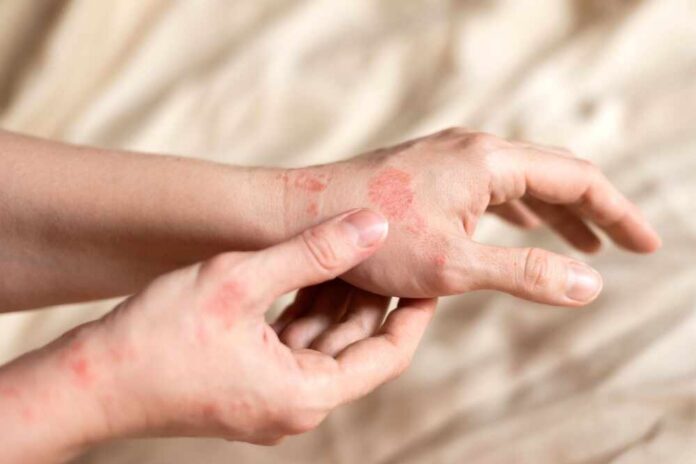
After fifteen years of stubborn cystic acne, a beauty editor discovered that the real enemy wasn’t bacteria or poor hygiene—it was her own hormones, and one prescription changed everything.
Quick Take
- Hormonal acne affects millions of adult women and often resists standard topical treatments
- Spironolactone blocks androgen production to reduce oil and clogged pores, showing results within six weeks
- A beauty editor saw complete clearance within four months after fifteen years of failed treatments
- The medication works best for menstrual-linked and persistent back and shoulder breakouts
Why Hormonal Acne Defeats Standard Treatments
Up to fifty million Americans battle acne annually, but adult women face a distinct challenge: hormonal fluctuations drive testosterone production, which increases sebum and clogs pores. Topical creams and oral antibiotics often fail because they address bacteria and inflammation, not the root hormonal imbalance. This distinction matters. A beauty editor spent fifteen years trying every conventional solution—benzoyl peroxide, salicylic acid, antibiotics—only to watch monthly chin and cheek flares return like clockwork, alongside relentless breakouts across her upper back and shoulders.
The Drug That Flipped the Script
Spironolactone entered dermatology in the 1990s as an off-label acne solution, repurposed from its original role treating high blood pressure. The mechanism is elegant: it blocks androgen receptors, preventing testosterone from signaling oil glands to overproduce. Within six weeks of starting the medication, the beauty editor noticed spot size and frequency dropping. Period-related flares persisted initially, but by three months, her acne vanished entirely. At four months, she reported smooth, oil-free skin with blackheads gone—a transformation that topicals never delivered in fifteen years.
Timeline Matters More Than You’d Think
Patience separates spironolactone success from disappointment. The medication doesn’t work overnight like a pimple patch or spot treatment. Six weeks represents the minimum threshold for visible improvement, and full clarity demands three to four months. This delayed timeline frustrates people accustomed to instant skincare fixes, but it reflects the drug’s mechanism: it’s rewiring hormone signaling, not just killing surface bacteria. For the beauty editor, this wait proved worthwhile. Her story resonates because it validates what dermatologists have quietly known: some acne demands systemic intervention, not topical warfare.
Who Benefits Most From This Approach
Spironolactone works best for adult women experiencing menstrual-linked breakouts or persistent cystic acne unresponsive to standard treatments. Post-menopausal women also see benefits, though hormonal shifts differ. The medication proves less effective for teenage acne or acne driven purely by bacteria rather than androgens. Dermatologists estimate seventy to eighty percent efficacy for hormonal cases, but individual results vary. Monitoring remains essential—spironolactone can affect potassium levels, requiring periodic blood work. This isn’t a casual skincare switch; it’s a medical decision requiring professional oversight.
The Broader Skincare Conversation
The beauty editor’s fifteen-year journey reflects a cultural shift in how adult acne gets discussed. For decades, acne was framed as a teenage problem, with adults expected to outgrow it through better hygiene or discipline. Her story normalizes adult acne as a legitimate medical condition worthy of systemic treatment. Influencers like Cassandra Bankson have similarly documented fifteen-year acne battles, though Bankson emphasizes multi-tool approaches: benzoyl peroxide, chemical peels, tretinoin, and rigorous sunscreen use. Both narratives—pharmaceutical and cosmetic—acknowledge that persistent acne demands persistence in return.
The beauty editor’s success with spironolactone doesn’t invalidate topical routines or professional peels. Rather, it expands the toolkit. Women with hormonal acne now understand they have options beyond accepting monthly flares or cycling through creams. The conversation has shifted from “Why won’t my acne go away?” to “What’s actually driving my acne?” That distinction matters for anyone who’s spent years fighting the wrong battle.
Sources:
After 15 Years of Cystic Acne, This Drug Finally Cleared Up My Skin