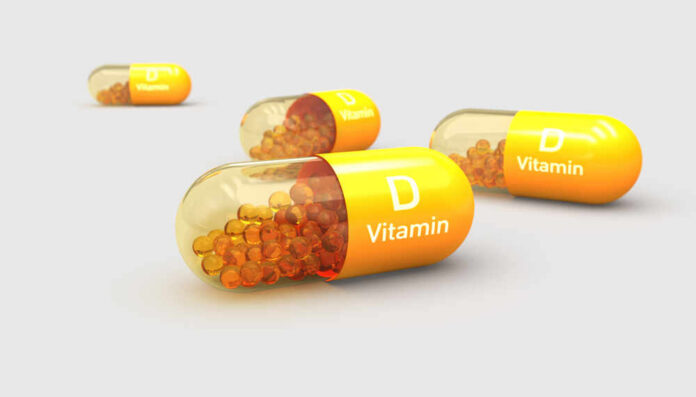
Two-thirds of Americans are walking around with inadequate vitamin D levels, creating a silent health crisis that affects everything from bone strength to heart disease risk.
Story Snapshot
- Approximately 64.5% of Americans have insufficient or deficient vitamin D levels, with only 34.5% achieving sufficiency
- Non-Hispanic Black Americans, women, young adults ages 20-29, and overweight individuals face the highest deficiency rates
- Only 20% of Americans meet the recommended dietary allowance through food alone, making supplementation essential for most people
- Recent data shows improvement through supplementation, with inadequacy risk dropping from 12.8% to 5.8% among supplement users
- Vitamin D supplementation can reduce fracture risk by 15% to 20% and may lower respiratory tract infection risk
The Numbers Tell a Troubling Story
The latest National Health and Nutrition Examination Survey data from 2015-2018 reveals a sobering reality about American health. Among Americans over age one, 2.6% suffer severe deficiency, 22% experience moderate deficiency, and 40.9% fall into the insufficiency category. Combined, this means nearly two out of three Americans lack adequate vitamin D levels. These figures represent more than statistical abstractions—they translate into real health consequences affecting millions of families across the nation.
Who Bears the Greatest Burden
Vitamin D deficiency does not strike all Americans equally. Non-Hispanic Black Americans experience disproportionately higher prevalence rates compared to other racial and ethnic groups. Women face higher deficiency rates than men. Young adults between ages 20 and 29 show the highest age-specific prevalence, while individuals aged 18-44 emerge as predictors of deficiency. Overweight individuals require higher vitamin D levels to achieve adequacy. Perhaps most concerning, 61% of American children have insufficient levels, and exclusively breastfed infants face a staggering 90% deficiency risk without supplementation.
The Geographic and Seasonal Dimension
Your zip code and the calendar might determine your vitamin D status as much as your diet. Deficiency prevalence peaks during winter months when sun exposure naturally decreases. Geographic location plays a significant role, with Americans living in northern latitudes facing greater challenges in producing adequate vitamin D through sun exposure. The body synthesizes vitamin D when skin is exposed to sunlight, but depending on season, time of day, and geographical location, this natural production varies dramatically. This creates a particular challenge for those living in regions with long winters and limited sunlight.
What Your Body Loses Without Adequate Vitamin D
The immediate effects of vitamin D deficiency include muscle pain, bone loss, muscle cramps, and fatigue—symptoms that diminish quality of life and work productivity. The long-term consequences prove even more serious. Prolonged deficiency leads to osteopenia or osteoporosis, conditions marked by bone deterioration and increased fracture risk. The cardiovascular system takes a hit too, with low vitamin D levels associated with increased risk of heart attack or stroke. These health impacts carry real costs, both personal and economic, affecting healthcare spending and individual wellbeing across the nation.
The Food Solution Falls Short
The recommended dietary allowance stands at 600 to 800 IU daily, increasing to 800 IU for adults over 70. Here lies the fundamental problem: only 20% of Americans meet this recommendation through food alone. Vitamin D-rich foods include fatty fish, egg yolks, and fortified dairy products, but achieving adequate intake through diet requires consistent, intentional food choices that most Americans simply do not make. Experts confirm that dietary intake alone rarely proves sufficient to correct an existing deficiency. This reality points toward supplementation as the practical solution for most people.
Supplementation Shows Real Results
The good news arrives in recent trend data. Between 2007-2008 and 2021-2023, the prevalence of inadequacy risk declined from 18.8% to 15.6%. Among individuals using vitamin D supplements, inadequacy risk plummeted from 12.8% to 5.8%—a dramatic improvement demonstrating supplementation’s effectiveness. Currently, approximately 18.5% of the U.S. population takes a vitamin D supplement of 1,000 IU or more. The Endocrine Society recommends empiric vitamin D supplementation to prevent nutritional rickets and potentially lower respiratory tract infection risk. Supplementation can reduce fracture risk by 15% to 20%, providing tangible health benefits backed by solid evidence.
The Emerging Overcorrection Concern
While supplementation addresses deficiency effectively, recent data reveals a new concern. The prevalence of vitamin D levels that “may be of concern”—meaning excessively high—increased from 2.2% to 7.6% between 2007-2008 and 2021-2023. This dual trend reflects both improved vitamin D status overall and emerging issues with excessive supplementation. Americans tend toward extremes: we either neglect essential nutrients entirely or overcorrect with megadoses. The solution requires a measured approach—test your levels, supplement appropriately based on actual need, and retest periodically to ensure you land in the optimal range without overshooting.
A Public Health Strategy That Makes Sense
Researchers emphasize that vitamin D deficiency remains prevalent in the United States and recommend that individuals, healthcare providers, and policymakers implement prevention strategies. This represents a health equity issue, with certain demographic groups experiencing disproportionately higher prevalence rates, demanding targeted intervention strategies. The solution combines improved dietary intake of vitamin D-rich foods, appropriate supplementation based on individual need, and strategic sun exposure when season and geography permit. Healthcare providers should screen at-risk populations and recommend evidence-based supplementation protocols. This straightforward approach addresses a widespread deficiency without requiring massive government programs or complicated interventions.
Sources:
Trends in Vitamin D Status in the United States – PubMed
Why are so many Americans deficient in vitamin D? – University of Miami Health News
Vitamin D deficiency is still prevalent in the United States – Frontiers in Nutrition
Individuals in the United States Are Not Achieving Optimal Vitamin D Levels – Consultant360
Millions of Americans are Vitamin D Deficient – GrassrootsHealth
Vitamin D Deficiency Statistics – WiFi Talents
Vitamin D for Prevention of Disease – Endocrine Society