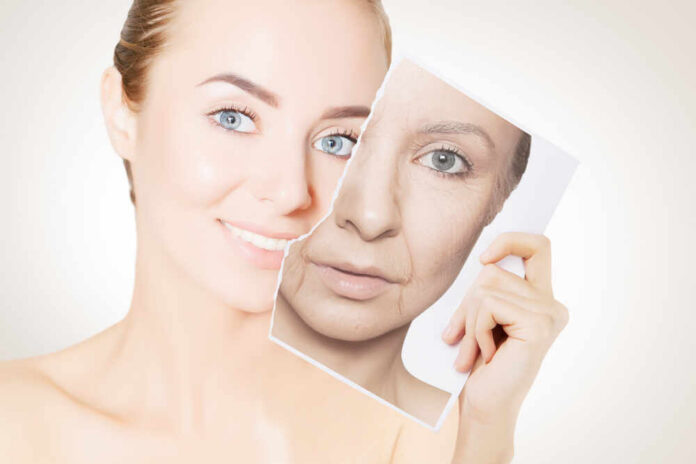
The first sign of skin aging isn’t a wrinkle—it’s the quiet moment your skin stops holding water like it used to.
Quick Take
- Mayo Clinic dermatologist Dr. Saranya Wyles identifies hydration loss as the earliest, most reliable early warning of skin aging.
- Barrier breakdown increases transepidermal water loss, setting up dryness, irritation, and eventually visible aging.
- Collagen decline can begin around age 20, but the “tells” show up later—after years of unnoticed barrier stress.
- “Skinspan” reframes aging as skin function and resilience, not just cosmetic appearance.
Hydration loss is the alarm bell most people ignore
Dr. Saranya Wyles, who directs Mayo Clinic’s Regenerative Dermatology & Skin Longevity Laboratory, put a spotlight on a detail many people treat as a nuisance: skin that feels drier, tighter, or itchier than it used to. She argues that dehydration is the earliest sign of aging, long before crow’s feet become permanent. That flips the usual script—skin aging starts as a performance problem, not a mirror problem.
Dryness sounds small until you connect it to what it signals underneath. Skin’s barrier works like a tightly built weave of lipids and structure that keeps water in and irritants out. As the “weave” loosens with age and exposure, more water escapes into the air through transepidermal water loss. People notice the symptoms—flaking, stinging, rough texture—then chase quick fixes, missing the bigger message: the barrier is losing its edge.
What actually changes with age: the barrier gets slower and leakier
The research discussion highlighted two practical realities. Older adults tend to show higher baseline transepidermal water loss than younger skin, and when the barrier gets disrupted, older skin takes about twice as long to recover. That lag matters. A slow-repair barrier means everyday stressors—wind, hot showers, harsh cleansers, dry indoor heat—stack up like small tax bills you never pay on time. Eventually, the system runs behind permanently.
Ceramides help explain why the barrier’s “seal” weakens. Ceramides are key lipids in the outer layer of skin, and with age their profile shifts toward shorter chain lengths, which links to reduced barrier function. You don’t need to memorize that chemistry to understand the consequence: when the skin can’t organize its fats as effectively, it can’t hold water as effectively. Tightness after washing isn’t “just getting older.” It’s a measurable drift in structure.
Wrinkles are downstream; the upstream problem is years of dehydration
Most anti-aging talk still treats wrinkles like the starting line, even though they’re closer to the finish line. Dr. Wyles’ point lands because it matches what people experience in real life: the skin often gets cranky before it gets lined. Dryness and itch can appear while a face still looks relatively smooth. That early discomfort becomes the open loop—ignore it, and the later “visible” problems arrive on schedule.
Collagen decline can begin as early as the 20s, but collagen talk can distract from what you can see and manage immediately: barrier behavior. Waiting for etched-in lines to “prove” aging is like waiting for a warning light to turn into a blown engine. Prevention usually beats repair, and the barrier gives you an earlier, clearer chance to intervene.
Skinspan turns aging into a maintenance strategy, not a panic purchase
Dr. Wyles’ “Skinspan” concept asks a sharper question than “How do I look?” It asks, “How long can my skin stay healthy, resilient, and functional?” That framing matters for adults over 40, because you’ve watched trends come and go: miracle creams, aggressive peels, gadget fads. Skinspan pushes the conversation toward durability—how quickly skin bounces back, how well it tolerates stress, and how steady it stays through seasons, travel, and life.
Skinspan also aligns with the broader longevity idea of building capacity early. You don’t start strength training after frailty sets in. You don’t overhaul a diet only after metabolic problems show up. Skin works the same way. The barrier is a daily-use organ exposed to weather, pollutants, ultraviolet light, and personal habits. Treating it like a long-term asset, not a short-term surface, is the adult way to approach “anti-aging.”
Practical priorities that match the science and avoid the hype
Dr. Wyles emphasizes core habits: sun protection, balanced nutrition, physical activity, stress reduction, and sound skincare routines. That list won’t thrill the marketing departments, but it fits the evidence and rewards consistency. Sun exposure remains a major driver of visible aging and skin disease; protecting skin early prevents future regret. If you want a simple barometer, track whether your skin feels dry or itchy more often—that can be your personal early-warning system.
Skincare choices should support the barrier rather than wage war on it. Adults often over-cleanse, over-exfoliate, or stack too many actives chasing “results,” then wonder why the skin burns or flakes. The more rational approach: protect, moisturize, and simplify when irritation appears. A routine that keeps the barrier calm usually makes everything else work better, including any targeted treatments you choose later for spots, texture, or lines.
The bigger argument: hydration loss is a signal worth respecting
Some people will shrug at dryness because it doesn’t feel dramatic. That’s the trap. Hydration loss is the kind of boring symptom that reliably predicts expensive regret—more procedures, more product hopping, more sensitivity, more visible aging that feels sudden even though it wasn’t. Dr. Wyles’ warning cuts through that by naming the earliest, most actionable sign. People who value self-reliance should like this: you can respond early, cheaply, and consistently.
Limited public detail is available in the summarized coverage about the exact underlying studies and methods behind each data point, but the direction is clear: treat barrier hydration as first priority, not afterthought. The most useful takeaway is also the simplest—when skin starts losing water, it’s telling you the aging process has already begun. Listen then, and you may never need to “catch up” later.
Sources:
The World’s Foremost Expert On Skin Longevity Says This Is The First Sign Of Aging
Thin skin: Is it a normal part of aging?
Skin cancer – Symptoms and causes
Wrinkles – Diagnosis and treatment
Seeing spots? Treating hyperpigmentation