That anti-aging vitamin you’re taking to feel younger might be feeding your cancer cells and sabotaging chemotherapy without your doctor even knowing.
Story Snapshot
- Popular vitamin B3 supplements like NMN, NAM, and NR may protect cancer cells and boost tumor growth while reducing chemotherapy effectiveness
- Up to 81% of cancer patients use dietary supplements, with 68% never disclosing this to their oncologists
- New research on pancreatic cancer shows these trendy anti-aging supplements could help stressed cancer cells survive treatment just as they help normal tissues
- Past clinical trials proved vitamin E increased prostate cancer risk by 17% and beta-carotene raised lung cancer rates in high-risk groups
The Anti-Aging Supplement Feeding Your Tumor
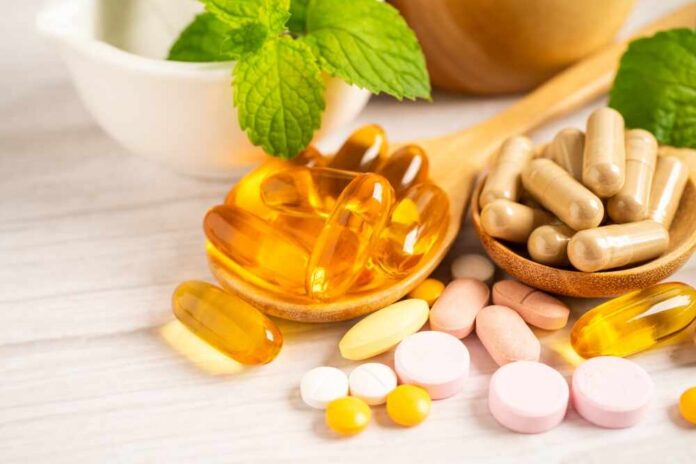
Dr. Jordan M. Winter didn’t mince words when his research team published findings in Cancer Letters. The University Hospitals Cleveland surgeon issued a stark warning: if you have cancer, stop taking vitamin B3 derivatives immediately. His preclinical study on pancreatic ductal adenocarcinoma revealed that nicotinamide mononucleotide, nicotinamide, and nicotinamide riboside—the darlings of the longevity supplement world—actually protect cancer cells from chemotherapy while accelerating tumor growth. These over-the-counter pills marketed for energy and heart health operate on a cruel irony: whatever helps your healthy cells recover also helps cancer cells thrive.
The supplement industry exploded after David Sinclair’s 2013 book Lifespan popularized NAD+ boosters for fighting aging. Retail sales skyrocketed post-2020 despite the FDA banning NMN as a supplement in 2022. Patients kept buying them anyway, drawn by promises of cellular rejuvenation. Meanwhile, pancreatic cancer patients face a grim reality: five-year survival hovers around 12%, and chemotherapy resistance remains common. Winter’s findings suggest these supplements might be tipping the scales further against survival by giving tumors the metabolic support they need to withstand treatment.
When Good Intentions Turn Deadly
The pattern repeats across decades of research with sobering consistency. The SELECT trial between 2001 and 2008 demonstrated vitamin E increased prostate cancer risk by 17%. The CARET study confirmed beta-carotene raised lung cancer rates and mortality in smokers. A 2019 breast cancer study linked iron and B12 supplements taken during chemotherapy to worse recurrence rates and survival. Fred Hutch researchers discovered in 2008 that 81% of cancer survivors use supplements, yet 68% never mention it to their oncologists. This communication gap creates a shadow pharmacy operating alongside legitimate treatment, one where patients unknowingly undermine their own survival.
The science behind the harm cuts straight to how cancer treatment works. Chemotherapy generates free radicals that damage cancer cells. Antioxidant supplements like vitamins C and E neutralize those free radicals, protecting tumors from the very assault meant to kill them. The National Cancer Institute confirms antioxidants may reduce chemotherapy effectiveness. Cancer Research UK warns high-dose antioxidants lessen treatment impact. The American Cancer Society documents how St. John’s wort reduces efficacy of multiple chemotherapy drugs by altering liver metabolism. These aren’t theoretical risks buried in obscure journals—they’re established facts major cancer institutions have documented for years.
The Unregulated Gamble Cancer Patients Take Daily
Supplements operate in a regulatory void created by the 1994 Dietary Supplement Health and Education Act. Manufacturers can sell products without proving safety or effectiveness, leaving cancer patients to navigate a $50 billion market built on implications rather than evidence. Between 50% and 80% of cancer patients use supplements during treatment despite mounting evidence of interference through tumor protection, medication interactions, and bleeding risks from fish oil, turmeric, and melatonin. The supplement industry profits while patients gamble with their lives, often convinced they’re taking proactive steps toward wellness.
Dr. Cornelia Ulrich at Fred Hutch calls the 68% non-disclosure rate a huge problem. Oncologists can’t counsel patients about risks they don’t know exist. High-dose folic acid raises colorectal adenoma risk with relative rates between 1.67 and 2.32. Biotin interferes with cancer diagnostic tests and treatment. These interactions don’t happen in isolation—they compound across the multiple supplements patients typically take simultaneously, creating unpredictable effects that even well-intentioned oncologists struggle to anticipate or manage effectively.
What Cancer Patients Must Do Now
Winter’s advice cuts through the complexity with brutal clarity: substances that help normal tissues stressed by treatment will help cancer cells even more. His warning extends beyond B3 derivatives to most supplements. The major cancer institutions align on this guidance—stop antioxidant supplements during active treatment. The evidence spans from preclinical mouse studies to large human trials showing definitive harm. Some vitamins like A, C, D, and E show potential protective effects before cancer diagnosis, but post-diagnosis the calculus flips entirely toward risk.
The path forward requires uncomfortable conversations and abandoned assumptions. Cancer patients must disclose every supplement, herb, and vitamin to their oncologists before starting treatment. Oncologists must ask explicitly and repeatedly, creating space for honest answers without judgment. The data leaves no room for wishful thinking about natural products somehow knowing to help only healthy cells. Treatment for pancreatic cancer and other aggressive malignancies offers slim enough survival odds without patients inadvertently funding their tumors’ resistance. The supplement bottles promising vitality might be delivering the opposite—a quiet sabotage of the very treatments meant to save lives.
Sources:
Oncologists May Not Know Commonly Used Supplement Could Harm Cancer Care
Dietary Supplements Don’t Prevent Cancer – Fred Hutch
Vitamins, Diet Supplements – Cancer Research UK
Natural Supplements to Avoid – Cancer Center
Dietary Supplements – American Cancer Society
Vitamin Supplements and Cancer Risk – PMC
Vitamins and Cancer Prevention – PMC
Antioxidants and Cancer Prevention – National Cancer Institute