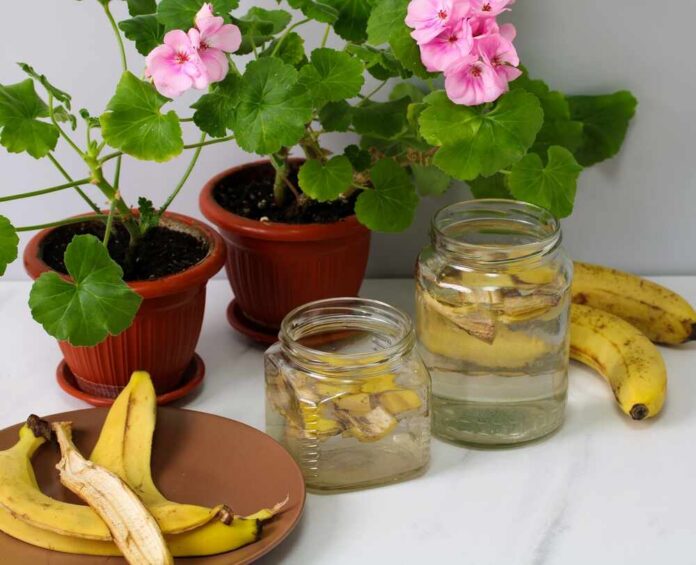
Is banana water truly the next revolution in sports hydration or just another fleeting trend?
Story Snapshot
- Banana water is marketed as a sustainable, plant-based sports drink.
- Claims to rival coconut water and traditional sports drinks.
- Lacks large-scale adoption and robust clinical evidence.
- Leverages clean-label and upcycling angles for market appeal.
Banana Water: A Natural Hydration Option?
Banana water brands are positioning their products as a natural, clean-label alternative to traditional sports drinks. This new beverage is touted for its potassium-rich content derived from bananas, offering a plant-based hydration solution. Unlike conventional sports drinks, banana water promises minimal processing and a single-ingredient formula. However, despite its potential, it remains a niche product, and evidence supporting its efficacy as a sports drink is sparse.
Banana water has yet to achieve the market penetration seen by coconut water or the longstanding dominance of brands like Gatorade. While the beverage benefits from the positive reputation of whole bananas in sports nutrition, its acceptance as a mainstream hydration option is still uncertain. Claims around its nutritional benefits, including electrolyte content, remain largely marketing-driven. Without more substantial evidence, banana water’s role in sports hydration remains speculative at best.
Is Banana Water the Next Big Sports Drink? Let’s Peel Back the Hype.
There's actually some benefits to the drink. But also some drawbacks.
— Rex Electronics (@rex_electronics) December 19, 2025
Got a health question? Ask our AI doctor instantly, it’s free.
The Evolution of Sports Drinks
Sports drinks have evolved significantly since the introduction of Gatorade in 1965, which set the standard for hydration solutions with its blend of water, glucose, and electrolytes. This paved the way for other natural hydration options, such as coconut water, which gained popularity in the 2000s. These beverages have established a market for plant-based hydration, setting a precedent for banana water. However, unlike coconut water, banana water is still in its infancy, both in terms of market adoption and scientific validation.
Bananas have long been considered nature’s sports food, with studies showcasing their effectiveness as a carbohydrate source comparable to traditional sports drinks. A 2012 study from Appalachian State University found that bananas could match the performance benefits of carbohydrate sports drinks for cyclists, adding antioxidants and fiber to the mix. Yet, banana water, derived from banana juice or enzyme-extracted water, does not have the same level of research backing its use as a sports drink.
Start your health journey in under a minute.
Sustainability and Market Positioning
Banana water brands are capitalizing on the growing consumer demand for sustainable and clean-label products. They emphasize the use of single-ingredient formulas and the upcycling of banana waste into bioplastics, aligning with global sustainability trends. For instance, companies like FruitaBio use heirloom Thai bananas, highlighting biodiversity and ecological benefits. However, the market impact of these practices is limited, as banana water competes in an already crowded functional beverage space.
The Future of Banana Water
For banana water to become a significant player in the sports drink arena, it must overcome several hurdles. Achieving widespread consumer acceptance and demonstrating clear hydration benefits, comparable to established sports drinks, are crucial. The beverage’s future also hinges on its ability to scale production sustainably without compromising its clean-label ethos. If successful, banana water could redefine the functional beverage landscape by offering a compelling blend of natural ingredients and environmental consciousness.
Watch:
Get fast, reliable health advice from your AI doctor now.
Sources:
Fast Talk Labs
Food Navigator USA
Beverage Industry
Banagua