Beta-carotene has a real skin story behind the hype: it can help skin handle sun stress, but the strongest evidence still comes from supplements, not carrots alone.
Quick Take
- Clinical trials found that beta-carotene supplements reduced UV-related skin redness in humans.
- Reviews also link carotenoids with better skin hydration, elasticity, and a healthier look.
- The safety warning matters: high-dose beta-carotene supplements have been tied to harm in smokers.
What the research actually shows
The core finding is simple. Beta-carotene, a pigment found in orange and dark green plants, has been studied for skin protection for years. In a placebo-controlled human trial, 30 milligrams a day for 10 weeks lowered the strength of UV-induced redness. Another study cited in the same review found improvement after six weeks with 24 milligrams of carotenoids a day, including 8 milligrams of beta-carotene.
That matters because redness after ultraviolet exposure is one of the clearest signs that skin took a hit. If a nutrient lowers that reaction, it suggests some level of protection. The evidence does not mean beta-carotene replaces sunscreen. It means the nutrient may give skin a little more cushion against sun stress. That is a useful difference, and it is easy to miss when headlines rush ahead of the data.
Carotenoids may do more than blunt redness. A separate review says they can improve skin elasticity, hydration, and overall skin health, which helps explain why they keep showing up in anti-aging coverage. This is also where public interest gets ahead of the science. Better hydration and elasticity sound dramatic, but most of the human evidence still comes from supplement studies, not from direct tests of eating leafy greens every day.
Why the supplement warning changes the conversation
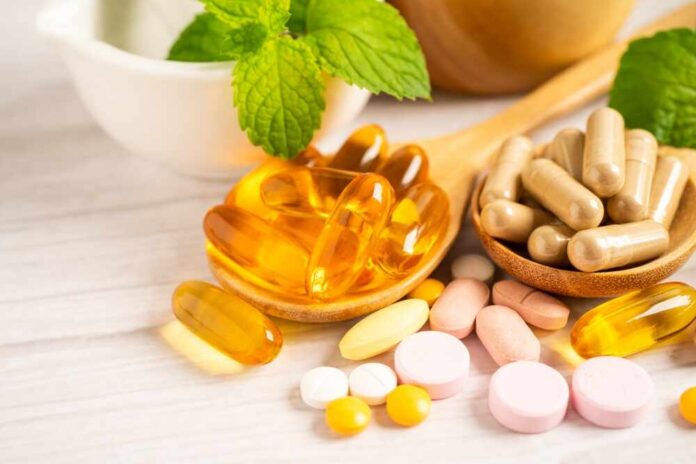
The biggest reason to slow down is safety. The National Institutes of Health says high intakes of beta-carotene supplements raised lung cancer risk by 18 percent in male smokers in the Alpha-Tocopherol, Beta-Carotene Cancer Prevention study. The same source also notes a harmless but visible side effect called carotenodermia, which can turn skin yellow-orange when intake gets too high. So the same nutrient that may help skin also raises clear questions when taken in large doses.
That tension is the whole story. Dietary beta-carotene from vegetables is not the same thing as a large-dose supplement. Yet those two ideas often get blurred together in public talk about skin health. The material provided supports the skin-benefit claim, but it also supports caution about supplement form, dose, and who is taking it.
What to eat, and what not to assume
If the goal is younger-looking skin, the safer path is food first. Beta-carotene-rich foods include carrots, spinach, kale, and other deeply colored produce. The research package points to spinach as one example of a strong source, and broader reviews of skin nutrition describe carotenoids as part of a balanced diet that supports skin health. Build health through ordinary habits, not a miracle capsule.
There is still a gap between “this nutrient helps skin” and “eat one thing and look younger.” The strongest studies use measured supplement doses. The public claim about “176 studies” suggests a wide research base, but the specific list is not included in the source material here. So the fair reading is narrower and stronger at the same time: beta-carotene and related carotenoids likely support skin resilience, but the safest, most grounded way to get them is through food, not high-dose pills.
Sources:
mindbodygreen.com, doctorkatta.com, gavinpublishers.com, healthline.com, digital.teknoscienze.com