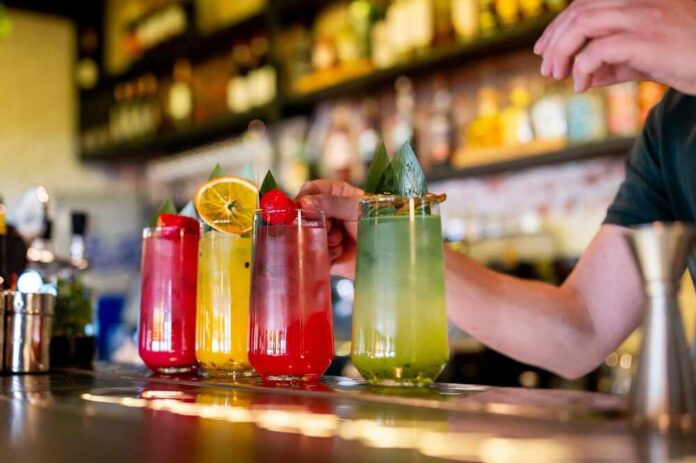
America’s bars and restaurants are quietly replacing the booze-first culture with “functional” mocktails—expensive, wellness-branded drinks that are reshaping social life and the beverage economy.
At a Glance
- Restaurants with well-developed non-alcoholic (NA) programs reported an average 12% lift in beverage revenue, with one case study showing mocktails reaching 18% of beverage sales in three months.
- Functional mocktails increasingly include adaptogens, nootropics, probiotics, electrolytes, and botanicals—sold as everyday “ritual” drinks for focus, replenishment, or calm.
- The North American non-alcoholic spirits market is projected to grow at a 9.4% CAGR from 2024 to 2034, signaling a long runway for premium NA options.
- Flavor houses and hospitality consultants say mocktail menus are no longer optional in 2026 as consumer expectations and alcohol habits shift, especially among younger adults.
Mocktails Move From “Substitute” to Center Stage
Restaurants and bars once treated non-alcoholic drinks as an afterthought—soda, juice, or a basic “virgin” version meant for designated drivers and pregnant customers. Industry reporting now describes a different reality: premium mocktails are marketed as adult, complex, and intentionally crafted, not apologetic stand-ins. That shift matters because it changes how hospitality venues design menus, price drinks, and serve customers who want a social experience without alcohol.
Consumer-facing framing has also changed. Sources describe “mindful drinking” as increasingly mainstream, with alcohol no longer treated as mandatory for celebration or connection. Instead of a one-off indulgence, functional mocktails are positioned as part of routine—morning focus, afternoon hydration-plus, or evening wind-down. The marketing language mirrors the broader wellness industry, which has trained consumers to view beverages as tools that promise specific outcomes, not just flavor.
What Makes a Mocktail “Functional” in 2026
Functional mocktails are defined less by what they remove (alcohol) and more by what they add: adaptogens, nootropics, probiotics, electrolytes, and botanical infusions that are presented as value-driving ingredients. Trend reporting also emphasizes “functional layering,” where hydration is treated as basic and additional benefits—energy, gut support, immune positioning, or mental focus—are built on top. For buyers, the pitch is straightforward: pay cocktail prices for a drink that fits a wellness routine.
Product development is increasingly technical. Flavor-industry sources describe investment in aroma and sensory effects, “transparent” flavor solutions, and texture choices designed to match a mood—sparkling for energy, creamy for calm. Meanwhile, savory and umami notes are becoming more common as brands and operators try to reduce sweetness while masking bitterness from botanicals. The result is a more “adult” taste profile that competes directly with traditional cocktails on experience, not just abstinence.
The Business Case: Premium Pricing and Measurable Sales Lift
Hospitality operators are responding because the numbers can work. One industry source reports that restaurants with strong NA programs averaged a 12% increase in beverage revenue. The same report highlights a case study in which mocktails reached 18% of total beverage sales within three months of launching a menu, alongside an 8% increase in average check size. Those figures are not presented as universal outcomes, but they explain why operators are investing time in training and sourcing.
Operationally, sources describe mocktail rollouts as manageable but deliberate. Programs typically require staff training, ingredient procurement, and menu development over a short ramp-up period, with reported payback showing up within months when the menu is executed well. For venues navigating thinner margins and higher costs in the post-inflation economy, the appeal is clear: premium NA drinks can expand the customer base while keeping per-drink revenue closer to cocktail levels.
Market Momentum—and the Regulatory Reality Check
Market projections add context to why big players are leaning in. Penn State Extension cites a projection that the North American non-alcoholic spirits market will grow at a 9.4% compound annual growth rate from 2024 to 2034. Separately, industry reporting on functional beverages points to continued product expansion tied to high-performance positioning, including ready-to-drink formats. Together, the data suggests this is not just a passing social-media fad but a category that suppliers and venues expect to scale.
Regulation remains an important constraint, even when marketing gets ahead of the evidence. The research notes FDA and other labeling authorities as relevant stakeholders for clean-label compliance and substantiation of functional claims. That matters because “function” can drift into implied medical promises if brands are careless. For consumers, the practical takeaway is to treat these drinks as premium beverages first—taste, experience, and alcohol-free social inclusion—while staying cautious about any hard health claims that are not clearly supported.
Sources:
https://www.sensapure.com/flavor-trends/2026-trends
https://www.synergytaste.com/insights/non-alcoholic-beverage-trends-2026/
https://love-struck.com/the-top-5-drinks-trends-of-2026/
https://extension.psu.edu/alcoholic-beverage-trends-2026/
https://www.htfmarketinsights.com/report/4379204-functional-mocktails-market