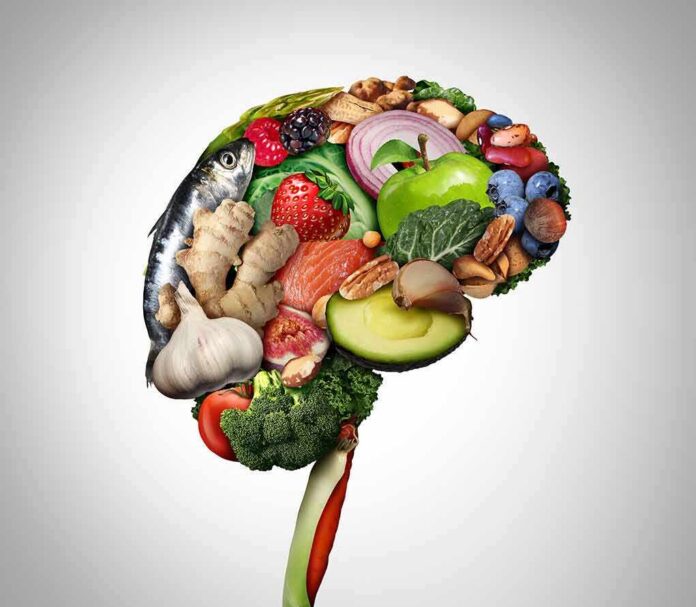
Your afternoon slump after lunch is not laziness. It is your brain running on the exact fuel you just fed it.
Quick Take
- TED-Ed’s 2016 lesson “How the food you eat affects your brain” by Mia Nacamulli explains how nutrients shape brain chemistry and energy.
- The lesson ties omega-3 and omega-6 fats, proteins, and carbohydrates to specific brain functions like mood, memory, and alertness.
- It describes how certain foods can trigger the release of brain chemicals like dopamine and serotonin.
- Newer scientific reviews back the broad idea that diet affects brain health, though they show the evidence is strongest for overall eating patterns, not single nutrients.
A Five-Minute Lesson With a Big Claim
TED-Ed released the animated lesson “How the food you eat affects your brain” on June 21, 2016, running just under five minutes. Educator Mia Nacamulli built the video around one core idea: the food on your plate has a direct and lasting effect on how your brain works. TED’s own page frames it as an answer to a question most adults have asked themselves — why does a heavy lunch leave you groggy, or a late snack keep you wired at night.
The lesson does not stay vague. It walks through specific nutrients and what they do once they reach the brain. That specificity is likely why the video has stuck around in classrooms and online for nearly a decade, long after many other health explainers faded.
Fats, Proteins, and the Chemistry of Mood
According to the lesson’s transcript, omega-3 and omega-6 fats rank among the most important fats for brain tissue. Proteins get credit too, broken down into amino acids that fuel growth and development throughout the body, including the brain. Those amino acids do not just build tissue. The lesson states they also act as building blocks for neurotransmitters, the chemical messengers tied to mood, sleep, attention span, and even body weight.
The video goes further, explaining that combinations of compounds found in everyday food can push brain cells to release norepinephrine, dopamine, and serotonin. Those three chemicals sit at the center of how humans feel alert, calm, or motivated. Framing diet as a daily input into that chemical system gives viewers a concrete reason to care about what they eat beyond waistline concerns.
Why Carbohydrates Get Special Attention
Carbohydrates take center stage as the brain’s main fuel source. The lesson explains that much of the brain’s energy comes from carbs, which the body breaks down into glucose, or blood sugar. That single mechanism explains a lot of daily experience — the crash after a sugary breakfast, the fog after a carb-heavy lunch, the renewed focus after a balanced meal. TED-Ed built an entire explainer around a process most people feel but rarely understand.
The lesson keeps its scope narrow by design. It is built as general audience education, not individualized medical advice, and it does not promise the same outcome for every viewer regardless of age, health history, or existing diet. That framing matters. A five-minute animation cannot carry footnotes for every claim, so viewers should treat it as a starting point for understanding broad mechanisms, not a personalized nutrition plan.
What Broader Nutrition Science Shows
Independent research backs the general direction of the lesson, even if the full picture carries more nuance than five minutes allows. A federal dietary guidelines review found that eating patterns rich in vegetables, fruits, legumes, nuts, and fish are linked to lower risk of age-related cognitive decline. A separate meta-analysis covering more than 12,000 participants found dietary interventions produced a measurable positive effect on overall cognitive function compared to control groups.
That evidence base leans more on diet patterns over time than on single nutrients acting like switches. Still, the direction lines up with what Nacamulli’s lesson argues: food is not neutral fuel, it is active input into how the brain performs. For parents packing school lunches or adults fighting the 3 p.m. slump, that is a plain, common-sense takeaway worth remembering every time they sit down to eat.
Nearly ten years after its release, the lesson holds up as a clear, accessible entry point into a field that keeps confirming its central point: what goes on the fork eventually shows up in how the mind works.
Sources:
youtube.com, ed.ted.com, ted.com, thetvdb.com