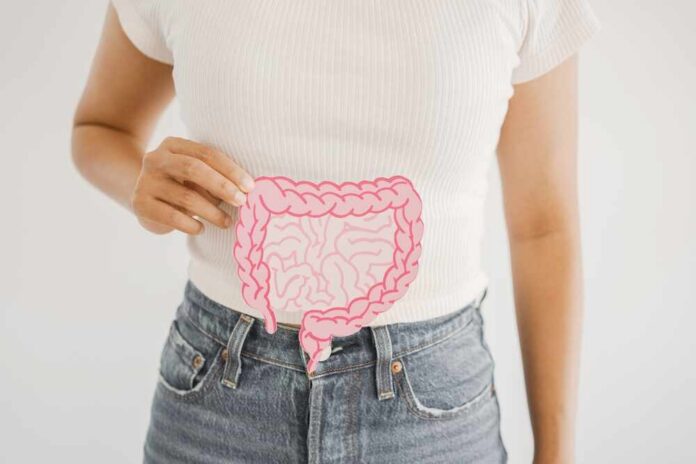
Harvard scientists have discovered that your gut bacteria are secretly running a sophisticated energy management system that could revolutionize how we treat obesity and diabetes.
Story Highlights
- Gut bacteria produce specific molecules that travel directly to the liver to regulate energy metabolism
- These bacterial molecules change based on diet, genetics, and microbiome shifts
- Laboratory tests show some molecules can improve insulin response in liver cells
- Discovery opens new pathways for treating metabolic diseases beyond traditional approaches
The Hidden Communication Network in Your Body
Researchers at Harvard have uncovered a previously unknown communication system between gut bacteria and the liver that fundamentally changes our understanding of metabolism. The study reveals that specific molecules produced by intestinal bacteria act as chemical messengers, traveling through the bloodstream to directly influence how the liver processes energy. This discovery challenges the traditional view that gut bacteria only affect digestion locally.
Watch;
https://www.youtube.com/watch?v=Hlqsordb08E
How Diet and Genetics Shape Bacterial Messengers
The production of these metabolic molecules responds dynamically to three key factors: dietary choices, genetic makeup, and shifts in the microbiome composition. When people change their eating patterns, the bacterial populations in their gut adjust accordingly, altering the types and quantities of molecules they produce. Similarly, genetic variations between individuals influence which bacterial strains thrive and what metabolic signals they generate.
Got a health question? Ask our AI doctor instantly, it’s free.
Laboratory Evidence Points to Diabetes Treatment Potential
Laboratory testing revealed that certain bacterial molecules can enhance insulin sensitivity in liver cells, suggesting a direct mechanism for improving glucose metabolism. This finding is particularly significant because insulin resistance in the liver is a hallmark of type 2 diabetes. The molecules appear to optimize how liver cells respond to insulin signals, potentially offering a new therapeutic target that works alongside the body’s natural systems rather than against them.
Harvard gut discovery could change how we treat obesity and diabetes
Gut-microbiome metabolites may hold the key to new treatments for obesity and type 2 diabetes pic.twitter.com/b7qwDI3Yk6— GossipGuru (@gossipguru4u) December 14, 2025
Revolutionary Implications for Metabolic Medicine
This research opens unprecedented possibilities for treating obesity and diabetes through microbiome manipulation rather than traditional pharmaceutical interventions alone. Instead of simply managing symptoms, doctors could potentially modify gut bacteria to produce beneficial metabolic molecules naturally. The approach represents a shift toward precision medicine, where treatments could be tailored based on individual microbiome profiles and genetic factors that influence bacterial communication with the liver.
Your instant doctor companion – online 24 hours a day.
Sources:
https://www.sciencedaily.com/releases/2025/12/251214100926.htm