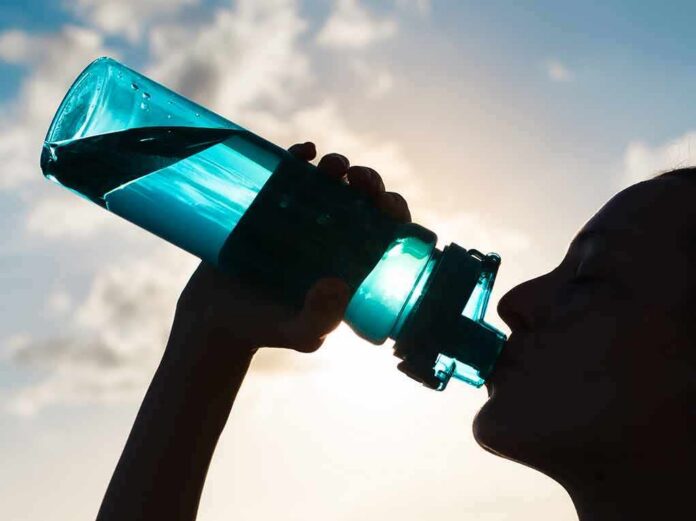
As flashy electrolyte drinks boom, most people are learning that **plain water and regular food already keep them hydrated just fine**.
Story Snapshot
- Electrolytes are key minerals that help your body move and hold onto water inside your cells.
- For normal daily life and moderate exercise, experts say water plus a typical diet is usually enough.
- Extra electrolytes matter mainly in heavy sweating, long intense workouts, extreme heat, or illness.
- Marketing often sells expensive drink mixes for “everyday hydration,” but doctors say most people do not need them.
What Electrolytes Do Inside Your Body
Doctors describe electrolytes as minerals like sodium, potassium, calcium, and magnesium that carry an electrical charge in your body fluids. These minerals help control how water moves in and out of your cells and keep your nerves and muscles working. When levels drop too low, people can feel weak, dizzy, or have muscle cramps. In serious cases, very low electrolytes can affect the heart and blood pressure, so the body works hard to keep them in balance.
Health guides from major hospitals explain that water alone does not always stay where it is needed unless electrolytes, especially sodium, are present to pull fluid into the right spaces. This is why electrolyte solutions are used in hospitals for people who are very sick and losing a lot of fluid. At the same time, these experts stress that the human body is very good at recycling and balancing these minerals during normal daily life.
Do You Need Electrolyte Drinks for Normal Hydration?
BBC’s explainer on hydration says that while electrolyte minerals are essential for muscle function and hydration, “for moderate exercise, most of us don’t need them.” Instead, they say a balanced diet and plenty of water give healthy adults all the hydration they need in regular conditions. Harvard’s Nutrition Source makes a similar point, noting there is no evidence that electrolyte drinks are healthier than water for the average person.
A Northwestern Medicine article agrees that electrolytes matter for hydration but concludes that “for most people, water and a well-balanced diet are enough.” The American Heart Association also reports that most adults do not need to seek extra electrolytes beyond normal food and drink. These messages all line up: electrolytes are important, but you usually do not need to add special powders or sports drinks just to get through a normal day.
When Extra Electrolytes Really Matter
Where experts do agree on a real need is in tough conditions. BBC and other health sources say long-distance running, high-intensity exercise lasting more than about an hour, extreme summer heat, or illness with heavy vomiting or diarrhea can drain electrolytes along with sweat and fluid. In those situations, drinks with added sodium and other minerals can help the body hold onto water better and recover faster.
Guidance shared by the U.S. Centers for Disease Control and Prevention and sports medicine groups echoes this: workers or athletes who sweat heavily for long periods may need electrolytes to avoid low blood sodium and other problems, while people who eat regular meals and salty snacks usually replace what they lose. Hospital systems like Cedars-Sinai highlight that athletes, outdoor workers, and people with certain medical issues must pay closer attention to electrolyte loss than most office workers or casual gym-goers.
Marketing Hype, Cost, and Everyday Choices
NPR’s reporting on sports drinks warns that marketing often tells everyone to drink electrolytes, even though doctors say most people do not need extra supplements unless they are sweating a lot or very ill. Harvard notes that many commercial electrolyte drinks add sugar and high amounts of sodium, and can be costly without offering health benefits over water for the average person. This gap between science and sales feeds public frustration about health products pushed by big companies.
For people already worried that powerful interests profit from confusion, this is another small but clear example. Independent health sources across the board say the same thing: drink water when you are thirsty, eat regular meals with fruits, vegetables, and some salt, and save special electrolyte drinks for long, hard workouts, extreme heat, or sickness.
Sources:
youtube.com, nm.org, tbsnews.net, nutritionsource.hsph.harvard.edu, timesofindia.indiatimes.com, npr.org, justanswer.com, reddit.com, bbc.co.uk