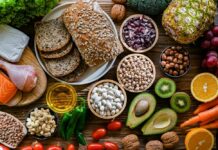
With grocery bills still squeezing families, dietitians are pointing to a surprisingly simple “fridge strategy” that helps households eat better without wasting money or time.
Quick Take
- Registered dietitians consistently recommend five core fridge staples that make balanced meals faster: Greek yogurt, eggs, fresh greens, cottage cheese, and rotisserie chicken.
- The common theme is high-protein, low-prep foods that work across multiple meals—helping reduce “what’s for dinner” decision fatigue.
- Fresh greens get special emphasis for nutrient density, and a cancer-prevention group highlights research linking higher non-starchy vegetable intake to lower cancer mortality risk.
- Batch-prepping proteins (like hard-boiled eggs) and buying ready-to-eat options (like rotisserie chicken) can reduce takeout reliance and food waste.
Why “fridge staples” have become a practical kitchen playbook
Registered dietitians and nutrition publishers have been pushing a straightforward idea: stock a small set of versatile refrigerator staples and you can assemble real meals quickly, even on chaotic weekdays. The approach grew in popularity during the 2020s as more Americans cooked at home and tried to manage tight schedules. The goal is not trendy restriction—it’s creating a reliable system that makes the healthier choice the easier choice.
Dietitians frame the system around convenience without sacrificing nutrition. Instead of relying on pricey, heavily processed grab-and-go foods, they recommend basic proteins and produce that can move from breakfast to lunch to dinner without extra planning. For many families—especially those balancing work, school, and caregiving—this “default setting” can keep meals consistent when motivation is low and time is short.
The five staples dietitians keep returning to—and what they’re for
Across multiple sources, five items show up repeatedly because they are both practical and nutritionally dense. Greek yogurt is highlighted as a protein-forward option that also brings key micronutrients; it can function as breakfast, a snack, or a base for dressings and dips. Eggs are described as affordable and flexible, with batch boiling often recommended so protein is ready for salads, toast, and quick breakfasts.
Fresh greens like spinach, kale, and arugula are labeled “nutritional powerhouses” because they deliver vitamins, minerals, and antioxidants with minimal prep. Cottage cheese is positioned as a no-cook protein option that can go sweet or savory. Rotisserie chicken, or other pre-cooked proteins, is described as a time-saving foundation for wraps, soups, grain bowls, and salads—helping families put dinner together without starting from scratch.
The vegetable link that matters: easier habits and measurable health signals
Several sources stress that the “staples” approach isn’t only about macronutrients; it’s also about consistently getting vegetables onto the plate. One public health source points to research indicating that eating three servings of non-starchy vegetables daily is associated with a lower risk of death from cancer. The practical takeaway is less about perfection and more about routine: keeping greens visible and ready increases the odds they actually get used.
Conservative households tend to appreciate solutions that respect real life: limited time, limited patience for complicated rules, and a desire for self-reliance without constant “expert” micromanagement. The fridge-staples method fits that mindset because it’s not a government program or a bureaucratic food pyramid—it’s a simple personal system. Still, the sources do not provide detailed serving targets beyond general guidance and a few study-linked observations.
Cost control and decision fatigue: the overlooked kitchen pressure points
The research repeatedly points to “decision fatigue” as a real driver of unhealthy choices. When families open the fridge and see nothing workable, they default to takeout, packaged snacks, or skipping meals—habits that can inflate budgets and undermine health. Dietitians argue that staples reduce that daily friction. Batch-cooking eggs, keeping a ready protein like rotisserie chicken, and storing greens for fast add-ons can turn a stressful evening into a 10-minute assembly job.
Budget-conscious shoppers may also see a side benefit: fewer last-minute store runs and less food waste. The sources emphasize that multipurpose foods stretch across recipes—yogurt becomes sauce, eggs become snacks, chicken becomes several dinners—so purchases are less likely to die in the back of the fridge. While the materials argue this can improve cost efficiency, they don’t provide hard dollar comparisons, so readers should treat savings as plausible but variable.
Extra staples some experts add—and where the guidance diverges
Beyond the main five, some dietitians recommend add-ons that make quick meals more realistic: shredded cheese for easy protein and flavor, hummus as a nutrient-dense dip or spread, and refrigerated dough for fast breakfasts or sides. One outlet emphasizes grass-fed butter and highlights specific compounds, while other sources avoid brand-level or premium-only guidance, implying conventional options can still work for families watching every dollar.
There is also limited disagreement on food philosophy rather than the basic method. Some sources acknowledge plant-based alternatives and frozen vegetables as backups when fresh produce isn’t practical. That flexibility matters because busy families don’t need another rigid “approved list.” The consistent theme is keeping protein and vegetables accessible so self-directed, at-home meals stay the default, even when schedules and energy are running low.
Sources:
5 things this dietitian keeps in her fridge for quick, balanced meals
5 Foods to Always Keep Stocked in Your Refrigerator
Healthy foods to keep in your fridge
Top 5 Refrigerator Staples to Keep You Healthy
The Foods Our Dietitian Always Has in Her Fridge