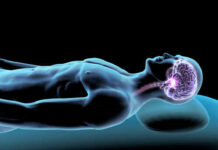
Your daily jog might be rewriting the biological script between your stomach and your mind in ways scientists are only beginning to decode.
Story Snapshot
- Aerobic exercise transforms gut bacteria composition, creating a communication highway between digestive tract and brain that influences mental health and cognitive function.
- Specific bacterial strains responding to physical activity produce short-chain fatty acids that stimulate neural growth and serotonin production, offering a biological mechanism for exercise’s antidepressant effects.
- Research reveals exercise intensity matters: moderate activity enhances gut health while excessive training beyond 60% VO₂max or sessions exceeding 90 minutes can disrupt the microbiome.
- Human studies lag behind promising animal research, leaving critical questions about optimal exercise prescriptions and individual variation unanswered.
The Bacterial Middleman Nobody Expected
Exercise scientists spent decades cataloging cardiovascular improvements and muscular adaptations, missing an invisible player orchestrating benefits in plain sight. The trillions of microorganisms inhabiting your intestinal tract respond to physical activity by reshuffling their populations and metabolic output. This microbial reorganization doesn’t stay confined to digestive duties. These bacteria manufacture chemical messengers that travel through the vagus nerve and bloodstream, directly influencing brain regions controlling mood, memory, and motivation. The microbiome-gut-brain axis represents a biological communication network where yesterday’s workout determines today’s mental clarity through intermediaries invisible to the naked eye.
Diversity Under the Hood
Aerobic exercise functions as a gardener for gut ecology, cultivating particular bacterial families while pruning others. Studies document increases in Firmicutes and Actinobacteria phyla populations following regular physical activity, with Lactobacillus and Bifidobacterium genera showing particularly robust responses. These aren’t arbitrary taxonomic shifts. Lactobacillus species manufacture serotonin precursors, offering a direct pathway from treadmill sessions to neurotransmitter availability. Bifidobacterium strains produce butyrate, a short-chain fatty acid that crosses the blood-brain barrier and stimulates neurogenesis in the hippocampus. Greater microbial diversity correlates with improved resilience against anxiety and depression, suggesting exercise prescription could eventually include targeted microbiome profiling to optimize mental health outcomes.
Cognitive Upgrades Through Bacterial Messengers
The brain changes measurably when exercise reshapes gut populations. Progressive resistance training studies demonstrate improvements in Stroop task performance and associative memory alongside gray matter expansion in the posterior cingulate after 26 weeks of twice-weekly 90-minute sessions. The mechanism appears rooted in bacterial metabolism rather than direct neural stimulation. Short-chain fatty acids manufactured by exercise-adapted microbiomes promote neural proliferation in the dentate gyrus, a brain region critical for memory formation and pattern separation. This explains why cognitive benefits persist between workout sessions rather than fading immediately. The bacterial populations cultivated through consistent physical activity provide ongoing neurological support through continuous metabolite production.
The Appetite Rewiring Nobody Advertised
Exercise’s reputation for appetite suppression rests on hormonal mechanisms like GLP-1 elevation, but microbiome alterations contribute independently. Acute aerobic sessions lasting 60 minutes decrease neural reactivity to high-calorie food images in the orbitofrontal cortex, insula, and putamen. High-intensity protocols at 70% maximum heart rate reduce hippocampal and OFC activation when subjects view calorie-dense foods. These aren’t willpower improvements but fundamental shifts in reward circuitry responsiveness. The bacterial composition changes triggered by exercise appear to recalibrate dopamine signaling pathways that assign value to food stimuli. Mouse studies demonstrate dopamine increases during exercise in animals with normal microbiomes but not in microbiome-depleted subjects, establishing gut bacteria as necessary intermediaries for exercise-induced motivation and reward responses.
When Exercise Backfires on Your Gut
The dose-response relationship between exercise and microbiome health follows a curve rather than a straight line. Sessions exceeding 60% VO₂max or extending beyond 90 minutes activate the hypothalamic-pituitary-adrenal axis, triggering stress responses that disrupt gut barrier integrity. Athletes frequently experience gastrointestinal distress during prolonged intense training, reflecting microbiome disruption rather than mere mechanical jostling. This biphasic response complicates simple exercise recommendations. Moderate-intensity activities like yoga demonstrate proven efficacy for improving irritable bowel syndrome and depression symptoms through autonomic influences on microbiota composition. The sweet spot appears to exist where physical challenge stimulates beneficial bacterial adaptation without crossing into metabolic stress territory that reverses those gains.
The Human Study Deficit
Mechanistic understanding derives predominantly from rodent research, creating a credibility gap acknowledged by investigators like UCLA’s Dr. Surampudi who emphasizes validation needs in human populations. Mouse studies elegantly demonstrate causal pathways by manipulating single variables, but human microbiomes differ substantially in composition and complexity. Individual baseline microbiota, genetic variations, dietary patterns, medication use, and environmental exposures all influence how exercise reshapes gut populations. Current evidence establishes correlation between physical activity and beneficial microbial changes without proving those changes cause mental health and cognitive improvements. The research community lacks empirical verification that vagal nerve signaling mediates exercise effects despite theoretical plausibility. Optimal parameters for intensity, duration, frequency, and modality remain undefined for microbiome optimization.
Practical Implications Despite Incomplete Maps
The emerging framework positions exercise as a microbiome-mediated therapeutic intervention rather than merely a lifestyle recommendation for general wellness. Patients with irritable bowel syndrome, inflammatory bowel disease, depression, and anxiety disorders represent populations potentially benefiting from exercise prescriptions designed around gut-brain axis modulation. Aging individuals facing cognitive decline could receive targeted protocols promoting neurogenesis through bacterial metabolite production. The personalized medicine frontier involves microbiome profiling before exercise prescription, matching activity parameters to baseline bacterial populations for optimized outcomes. Probiotic supplementation coordinated with training schedules might amplify benefits by seeding beneficial strains exercise helps proliferate. These applications await rigorous human clinical trials establishing causality and defining effective protocols, but the biological plausibility rests on solid mechanistic foundations from existing research.
Sources:
Effects of Exercise on Gut Microbiota: A Double-Edged Sword
New microbiome research reveals exercise may impact gut
The gut-brain connection: Long COVID, anxiety, Parkinson’s