Most people treating post-workout soreness are getting partial credit at best, because the science behind what actually works is far more uneven than the wellness industry wants you to believe.
At a Glance
- Massage holds the strongest evidence for reducing delayed onset muscle soreness, outperforming most other popular recovery methods in a published systematic review.
- Many widely recommended tactics, including foam rolling, heat therapy, and sleep, ease symptoms but may not accelerate the actual muscle repair process.
- Pain relievers can reduce discomfort but do not speed healing, according to clinical guidance from Houston Methodist.
- The Cleveland Clinic notes there are no treatments specifically for delayed onset muscle soreness, meaning most interventions are about managing discomfort, not curing the condition.
What Delayed Onset Muscle Soreness Actually Is and Why It Matters
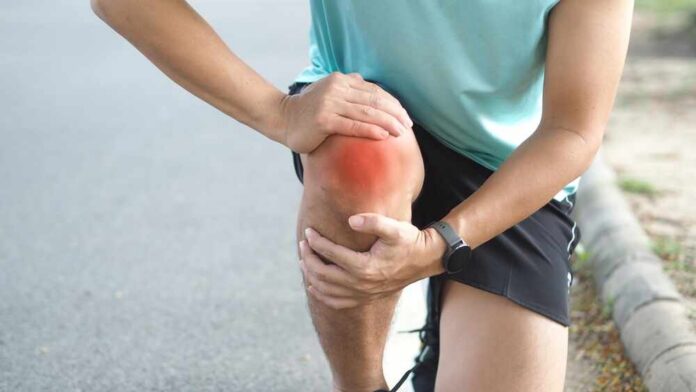
Delayed onset muscle soreness, commonly called DOMS, is the stiffness and aching that peaks 24 to 72 hours after unfamiliar or intense exercise. It results from microscopic tears in muscle fibers, which trigger inflammation as part of the repair process. Understanding that distinction, soreness as a symptom of repair rather than an injury to fix, is the key to evaluating every recovery tip you have ever been sold. Most interventions treat the signal, not the underlying process. [9]
That is not necessarily a problem. Managing discomfort allows you to stay active, sleep better, and return to training sooner. But conflating symptom relief with accelerated healing leads people to spend money on devices and rituals that may deliver comfort while leaving the actual biology unchanged. Knowing which category each tactic falls into is genuinely useful, especially after 40 when recovery windows stretch longer and the temptation to overdo it is real. [4]
Massage Has the Clearest Evidence in the Recovery Stack
A 2018 systematic review published in a peer-reviewed journal examined active recovery, stretching, massage, compression, water immersion, and other modalities head to head. Its conclusion was direct: massage appears to be the most effective method for reducing DOMS and perceived fatigue among the techniques examined. [2] That is a meaningful finding. It does not mean everything else is useless, but it does mean massage earns a different tier of confidence than most of what fills a typical recovery routine.
The same review found that compression techniques and water immersion also helped manage perceived fatigue, which gives those methods a secondary but legitimate claim to your recovery time. [2] Cold water immersion in particular has a plausible physiological mechanism, reducing blood flow and inflammation acutely, though the optimal temperature and duration remain debated. The practical takeaway is that if you are going to invest time and money in one recovery method, massage has earned it more than almost anything else on the list.
Foam Rolling, Light Movement, and Stretching Are Useful but Modest
Foam rolling after intense exercise has been shown to alleviate soreness and may improve muscular performance in subsequent sessions. [6] The National Academy of Sports Medicine recommends it as part of an optimal recovery protocol. Cleveland Clinic describes it as a practical self-administered option that can improve blood flow and reduce stiffness. [9] That is solid practical guidance, but it is worth noting that the evidence base here rests more on clinical consensus and smaller studies than on the kind of systematic review that supports massage.
Light movement and gentle stretching occupy a similar position. Houston Methodist and the Fascia Institute both emphasize that keeping muscles moving is one of the most accessible ways to ease soreness. [4][3] Mayo Clinic sports medicine guidance recommends walking and light stretching for next-day soreness rather than complete rest. [10] These are low-risk, low-cost habits that support circulation and reduce stiffness. The honest framing is that they help you feel better and stay active, which is itself a meaningful outcome even if they are not rebuilding tissue faster.
Hydration, Sleep, and Nutrition Are Recovery Foundations, Not Magic Bullets
Dehydration impairs the muscles’ ability to repair themselves, making adequate fluid intake a genuine recovery requirement rather than a generic wellness platitude. [8] Sleep is when the body releases growth hormone and conducts the bulk of tissue repair, so cutting it short after hard training is a direct tax on recovery quality. Protein consumed after exercise supports muscle repair, with carbohydrates helping replenish depleted glycogen stores. [11] These are not exciting interventions, but they are foundational in a way that no massage gun or ice bath can substitute for.
Pain relievers deserve a specific mention here because they are commonly reached for and commonly misunderstood. Houston Methodist is explicit that over-the-counter pain medications will not speed up the muscle-healing process. [4] They reduce the perception of soreness, which has value if it keeps you functional, but they do not compress the biological timeline. That distinction matters when you are deciding whether to push through a session or give your body the rest it is actually asking for. Symptom suppression and recovery acceleration are not the same thing, and treating them as equivalent is one of the more common mistakes active people over 40 make.
Sources:
[2] Web – Science-Backed Ways to Relieve Sore Muscles After a Workout
[3] Web – An Evidence-Based Approach for Choosing Post-exercise Recovery …
[4] Web – Decreasing Muscle Soreness After Exercise – The Fascia Institute
[6] Web – Still Sore? Post-Workout Muscle Recovery Tips – UVA Health
[8] Web – 8 Ways To Ease Post-Workout Muscle Soreness – Henry Ford Health
[9] Web – 14 Tips To Maximize Muscle Recovery – Healthline
[10] Web – Delayed Onset Muscle Soreness (DOMS): What It Is & Treatment
[11] YouTube – Mayo Clinic Minute: Managing muscle soreness